Balochistan · Video
The Role of Religious Leaders in Narrowing Social Divides
In recent days, reaction to Molavi Abdolhamid’s remarks has once again become a notable topic in the country’s media sphere.
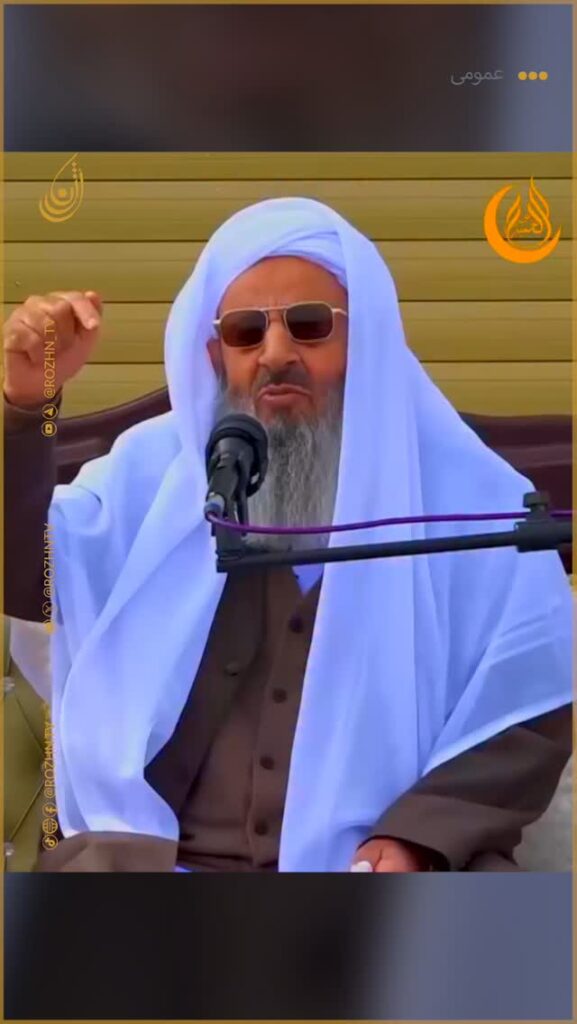
Rozhn TV | Tuesday, February 10, 2026
In recent days, reaction to Molavi Abdolhamid’s remarks has once again become a notable topic in the country’s media sphere.
Some media narratives have tried to interpret the critical positions of this religious scholar within a security framework and to portray his social standing as outside the mainstream body of clerics.
In contrast, media analyses show that this kind of narrative is part of a broader narrative conflict in which the concept of the independence of clerics is redefined in a narrow way that aligns with the official account.
In his recent positions, Molavi Abdolhamid has stressed the moral responsibility of clerics and has recalled that an independent religious scholar cannot be indifferent to people’s suffering.
For a considerable part of Iranian society, these remarks have been a reminder of the historical role of clerics in defending human dignity, social justice and peaceful dialogue.
In public media reaction, it appears that Molavi Abdolhamid’s social standing is not merely the product of a local position but has emerged from years of religious and social activity.
This standing has made his words audible to a wide range of society and has allowed them to resonate beyond sectarian lines.
These developments have once again brought to the fore in public opinion the question of where the line lies between responsible religious criticism and security-minded interpretation.
A question whose answer could clarify the future path of national dialogue, social coexistence and public trust.