Reactions Continue to the Events in Taftan and Faryab
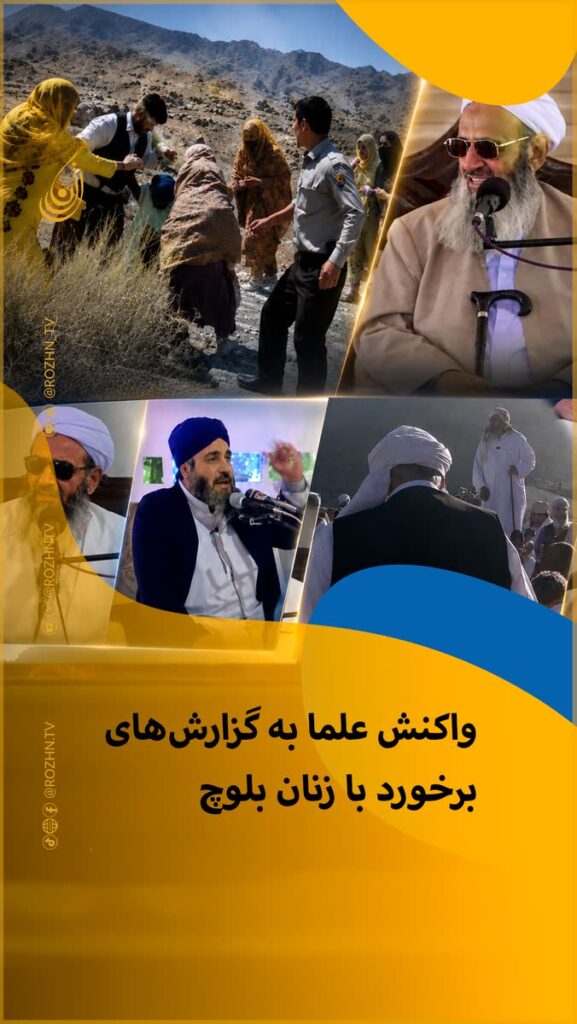
Following the publication of reports and videos of the treatment of Baloch women during protest gatherings related to mining activities in Taftan and Faryab, numerous reactions have been voiced by Baloch clerics, citizens and civil …
Rozhn TV | Sunday, June 21, 2026
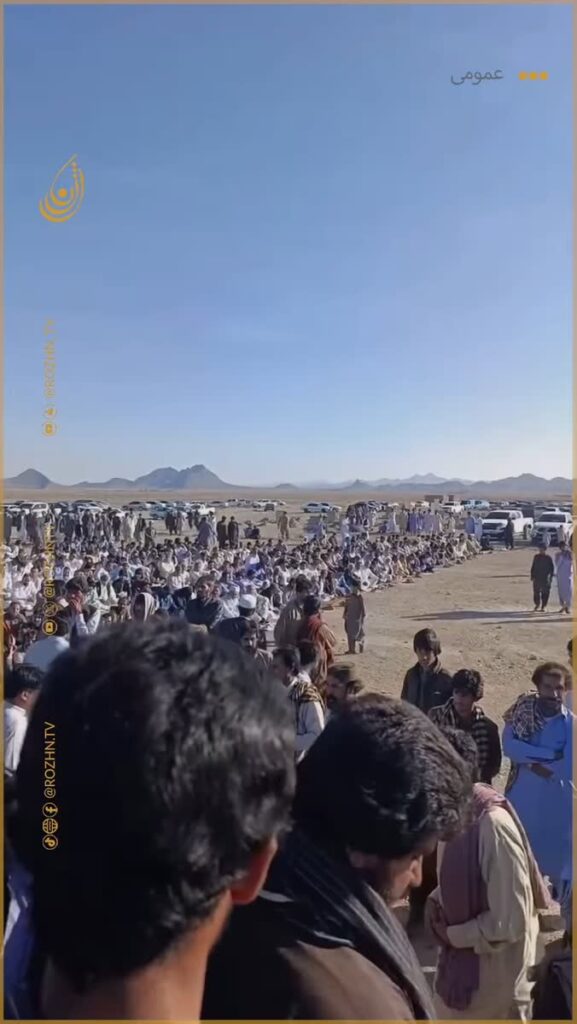
Following the publication of reports and videos of the treatment of Baloch women during protest gatherings related to mining activities in Taftan and Faryab, numerous reactions have been voiced by Baloch clerics, citizens and civil activists.
According to published reports, in the village of Pashmuki in Faryab County a number of Baloch women were wounded during a protest gathering, and six Baloch citizens, Marzieh Hoot, Mahbibi Hoot, Somayeh Bameri, Alibakhsh Bameri, Rezabeig Bameri and Anvar Hoot, were detained.
The identities of the wounded women have also been announced as Soraya Hoot, Masoumeh Hoot, Mina Hoot, Dorkhatoon Hoot, Safia Bameri, Mahnoor Bameri, Bibinaz Bameri and Hajar Bameri.
In Taftan, too, reports have been published of Bibinoor Rigi Kuta being wounded during a women’s protest gathering.
In reaction to these events, Molavi Abdolbaset Sejestani called for the reports of the treatment of protesting women to be investigated and for attention to the demands of residents of areas affected by mining activities.
Molavi Abdolghodous Salarzehi also, stressing the preservation of citizens’ dignity, called for greater attention to the rights of local communities and for an examination of the consequences of mining activities in the region.
Molavi Abdolhamid, the Sunni Friday prayer leader of Zahedan, likewise asked for these events to be examined and stressed the need to hear people’s demands, pay attention to the rights of local residents and address the published reports.
In recent days, the issue of mining activity, the local communities’ share of the economic benefits, and the state of water resources, agriculture and the environment in Baloch-populated areas has become one of the main themes of public debate.