“Iran Freedom Congress” Meeting in London: Fariba Baloch and Naser Balidehi Speak on the Future of Iran’s Political Structure
At the “Iran Freedom Congress” meeting in London, political and civil activists examined the future of Iran’s political and social structure.
Show photo (≈ 47 KB)
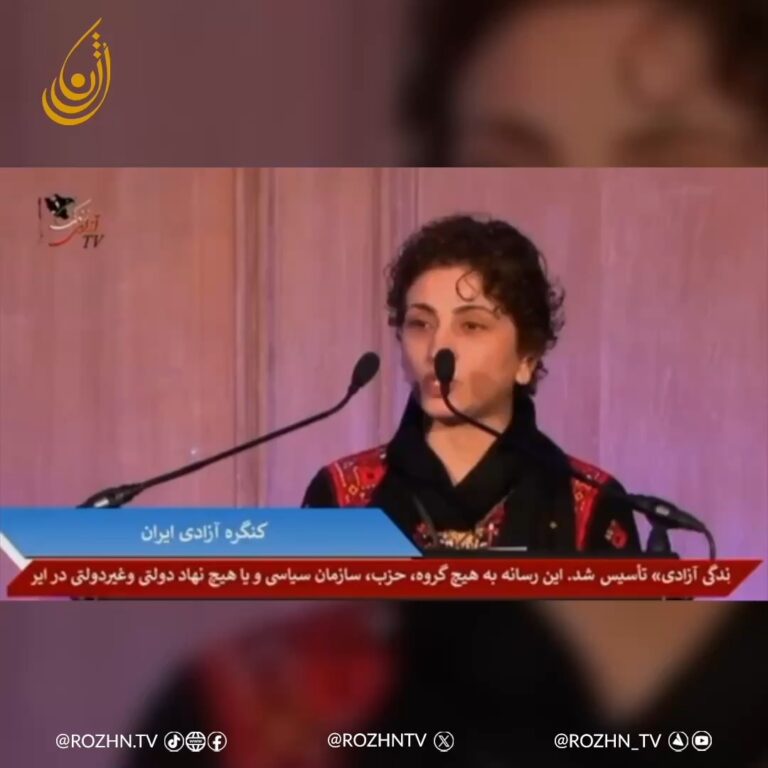
At the “Iran Freedom Congress” meeting in London, political and civil activists examined the future of Iran’s political and social structure.
Fariba Baloch, a women’s rights activist, said at the meeting, focusing on the situation in Balochistan, that equality only has meaning if it is experienced in practice and does not remain merely at the level of slogans.
Referring to lived experiences in the region, she said that parts of Iranian society have faced restricted access to facilities and opportunities over the years, and that this has created deep social gaps.
She also stressed that people who have lived under pressure and restrictions for years need to see real change to accept the concept of equality, and that this must be tangibly reflected in future policymaking.
She described indifference toward the situation in some regions as one of the factors behind the persistence of these conditions, and added that people’s direct participation in decision-making is an essential condition for building trust and narrowing the gaps.
Fariba Baloch also stressed the importance of recognizing cultural and linguistic differences, and said that decision-making on the issues of any region, without the presence of that community’s genuine representatives, cannot meet its needs.
Later in the meeting, Naser Balidehi, secretary-general of the Balochistan People’s Party, focusing on the role of political parties, said that a transition to democracy is not possible without a real distribution of power.
Referring to the historical concentration of power in Iran, he said that parties can prevent a return of centralized structures by organizing demands and turning disputes into peaceful political competition.
He also described the role of parties in channeling social demands toward organized action as important, and stressed that the absence of independent and accountable parties could pave the way for a repetition of authoritarian patterns.
The meeting also stressed the importance of accepting social diversity and aligning with international human rights principles.
The event was held at a time when debate over regional justice and the distribution of power and resources has become one of the main themes of political discussions.
Translated from the Persian original
Follow Rozhn TV for reports, interviews and programmes on Balochistan
Telegram: https://t.me/rozhn_tv
YouTube: https://youtube.com/@rozhn_tv
Instagram: https://www.instagram.com/rozhn_tv
#Baloch #Baloch Women #Balochistan #Discrimination #Human Rights #Iran #Rozhn TV