نشست «کنگره آزادی ایران» در لندن؛ سخنان فریبا بلوچ و ناصر بلیدهای درباره آینده ساختار سیاسی ایران
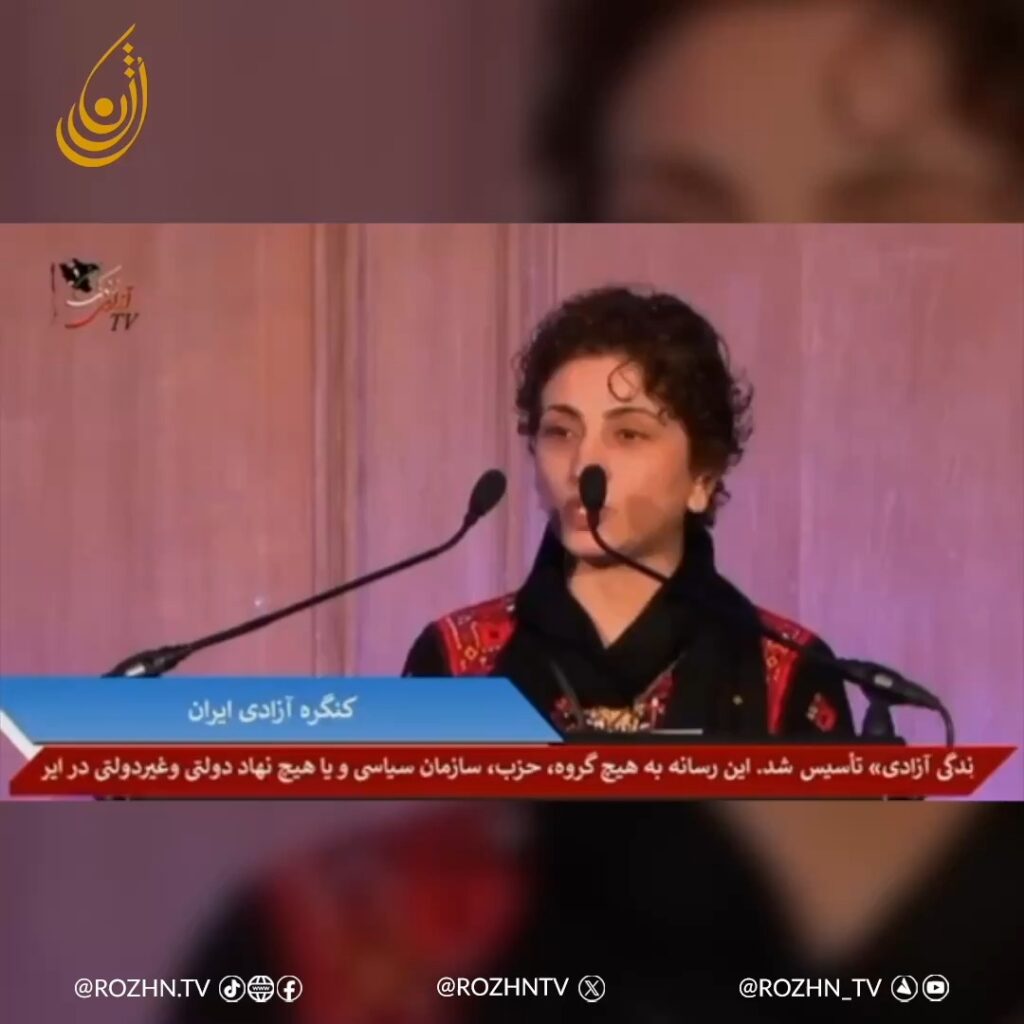
در نشست «کنگره آزادی ایران» در لندن فعالان سیاسی و مدنی به بررسی آینده ساختار سیاسی و اجتماعی ایران پرداختند.
فریبا بلوچ فعال حوزه زنان در این نشست با تمرکز بر وضعیت بلوچستان اعلام کرد که برابری تنها در صورتی معنا دارد که در عمل تجربه شود و نه صرفاً در سطح شعار باقی بماند.
او با اشاره به تجربههای زیسته در این منطقه گفت بخشهایی از جامعه ایران طی سالها با محدودیت در دسترسی به امکانات و فرصتها مواجه بودهاند و این موضوع باعث شکلگیری فاصلههای عمیق اجتماعی شده است.
وی همچنین تأکید کرد مردمی که سالها با فشار و محدودیت زندگی کردهاند برای پذیرش مفهوم برابری نیازمند مشاهده تغییرات واقعی هستند و این مسئله باید در سیاستگذاریهای آینده به شکل ملموس دیده شود.
او بیتفاوتی نسبت به وضعیت برخی مناطق را یکی از عوامل تداوم این شرایط دانست و افزود که مشارکت مستقیم مردم در تصمیمگیریها شرط اساسی برای ایجاد اعتماد و کاهش شکافها است.
فریبا بلوچ همچنین بر اهمیت به رسمیت شناختن تفاوتهای فرهنگی و زبانی تأکید کرد و گفت تصمیمگیری درباره مسائل هر منطقه بدون حضور نمایندگان واقعی آن جامعه نمیتواند پاسخگوی نیازها باشد.
در ادامه این نشست ناصر بلیدهای دبیرکل حزب مردم بلوچستان با تمرکز بر نقش احزاب سیاسی اعلام کرد که گذار به دموکراسی بدون توزیع واقعی قدرت امکانپذیر نیست.
او با اشاره به تمرکز تاریخی قدرت در ایران گفت احزاب میتوانند با سازماندهی مطالبات و تبدیل اختلافات به رقابتهای سیاسی مسالمتآمیز از بازگشت ساختارهای متمرکز جلوگیری کنند.
وی همچنین نقش احزاب را در هدایت مطالبات اجتماعی به سمت کنش سازمانیافته مهم دانست و تأکید کرد که نبود احزاب مستقل و پاسخگو میتواند زمینه تکرار الگوهای اقتدارگرا را فراهم کند.
در این نشست همچنین بر اهمیت پذیرش تنوع اجتماعی و هماهنگی با اصول حقوق بشر بینالمللی تأکید شد.
این رویداد در شرایطی برگزار شده که بحث درباره عدالت منطقهای و نحوه توزیع قدرت و منابع به یکی از محورهای اصلی گفتوگوهای سیاسی تبدیل شده است.
EN“Iran Freedom Congress” Meeting in London: Fariba Baloch and Naser Balidehi Speak on the Future of Iran’s Political StructureRead in English
At the “Iran Freedom Congress” meeting in London, political and civil activists examined the future of Iran’s political and social structure.
Fariba Baloch, a women’s rights activist, said at the meeting, focusing on the situation in Balochistan, that equality only has meaning if it is experienced in practice and does not remain merely at the level of slogans.
Referring to lived experiences in the region, she said that parts of Iranian society have faced restricted access to facilities and opportunities over the years, and that this has created deep social gaps.
She also stressed that people who have lived under pressure and restrictions for years need to see real change to accept the concept of equality, and that this must be tangibly reflected in future policymaking.
She described indifference toward the situation in some regions as one of the factors behind the persistence of these conditions, and added that people’s direct participation in decision-making is an essential condition for building trust and narrowing the gaps.
Fariba Baloch also stressed the importance of recognizing cultural and linguistic differences, and said that decision-making on the issues of any region, without the presence of that community’s genuine representatives, cannot meet its needs.
Later in the meeting, Naser Balidehi, secretary-general of the Balochistan People’s Party, focusing on the role of political parties, said that a transition to democracy is not possible without a real distribution of power.
Referring to the historical concentration of power in Iran, he said that parties can prevent a return of centralized structures by organizing demands and turning disputes into peaceful political competition.
He also described the role of parties in channeling social demands toward organized action as important, and stressed that the absence of independent and accountable parties could pave the way for a repetition of authoritarian patterns.
The meeting also stressed the importance of accepting social diversity and aligning with international human rights principles.
The event was held at a time when debate over regional justice and the distribution of power and resources has become one of the main themes of political discussions.