بلوچستان · ویدیو
حاجی حمید گمشادزهی؛ وقتی پدری داغدار، صلح را بر انتقام ترجیح میدهد

تلویزیون رُژن | پنجشنبه ۵ آذرماه ۱۴۰۵ | ۲۶ نوامبر ۲۰۲۶
در سرزمینی که خانوادههای بسیاری سالهاست رنج از دست دادن عزیزان خود را تجربه کردهاند، سخنان یک پدر داغدار بار دیگر توجهها را به اهمیت صلح، گذشت و پایان چرخه خشونت در بلوچستان جلب کرده است.
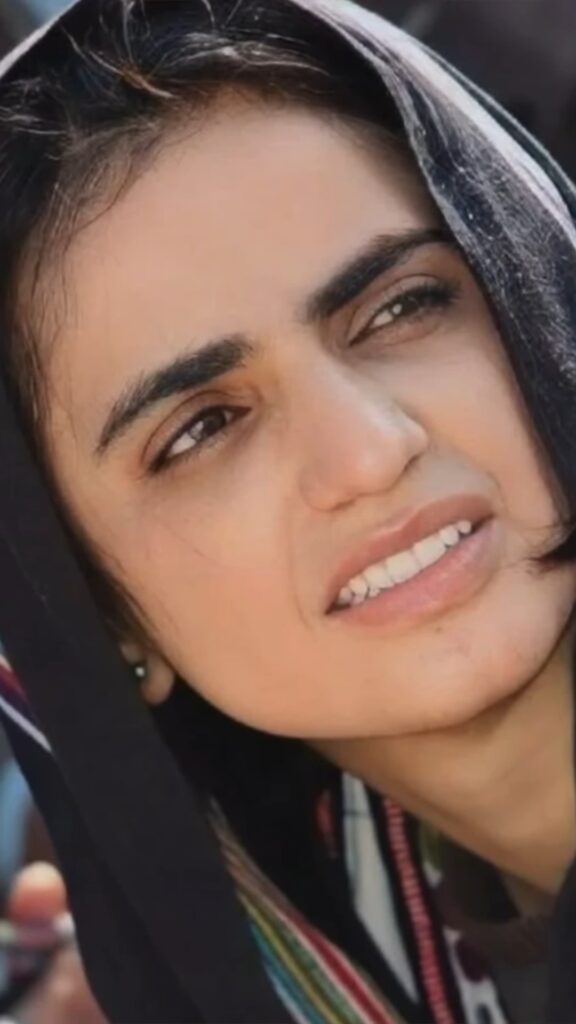
حاجی حمید گمشادزهی، از بزرگان شناختهشده بلوچ، در حالی از ضرورت پایان انتقامگیری سخن گفته که خود بهتازگی فرزند ۲۲ سالهاش، محمدعمر گمشادزهی، را از دست داده است.
محمدعمر شامگاه یکشنبه اول آذرماه ۱۴۰۵ در شهر سراوان، بر اثر تیراندازی افراد مسلح ناشناس جان باخت. جوانی که در آغاز زندگی بود و مرگ ناگهانی او، خانواده و نزدیکانش را در سوگ فرو برد.
اما آنچه پس از این حادثه توجهها را به خود جلب کرد، تنها خبر این فقدان نبود؛ بلکه سخنان پدری بود که در اوج اندوه، از ضرورت جلوگیری از تکرار چنین سرنوشتهایی سخن گفت.
حاجی حمید گمشادزهی پیش از این نیز در برابر رنج خانوادههای بلوچ سکوت نکرده بود.
در دیماه ۱۴۰۳، پس از کشته شدن عبدالجلیل گمشادزهی، او در مراسم تشییع پیکر این جوان، درباره امنیت شهروندان و مسئولیت مقامها سخنان انتقادی مطرح کرد.
چند هفته بعد، در بهمنماه همان سال، خبر بازداشت او منتشر شد؛ بازداشتی که با واکنش و حمایت شماری از بزرگان، معتمدان و طوایف بلوچ همراه بود.
این پیشینه نشان میدهد که سخنان امروز او را نمیتوان جدا از مواضع و فعالیتهای پیشینش در زمینه مطالبات مردم و نگرانی درباره جان شهروندان بررسی کرد.
اکنون، در شرایطی که خود با یکی از سنگینترین مصیبتهای زندگی روبهرو شده، بار دیگر درباره ارزش جان انسان سخن گفته است.
حاجی حمید در مراسم سوگواری فرزندش، با اشاره به سالها اختلاف و درگیری میان طوایف گمشادزهی و یاراحمدزهی، این پرسش را مطرح کرد که ادامه خونخواهیها چه نتیجهای داشته و چه کسی را به زندگی بازگردانده است.
او تأکید کرد که نمیخواهد کشته شدن فرزندش زمینهساز کشته شدن افراد دیگری شود.
این موضع، بهویژه از زبان پدری که تازه فرزند خود را از دست داده، معنایی عمیق دارد.
گذشت از انتقام به معنای فراموش کردن قربانیان یا چشمپوشی از عدالت نیست. خانوادهها حق دارند حقیقت را بدانند، عاملان قتل شناسایی شوند و پروندهها از مسیر قانونی و عادلانه پیگیری شوند.
اما عدالت با انتقامگیریهای پیدرپی تفاوت دارد؛ تفاوتی که میتواند سرنوشت خانوادهها و نسلهای آینده را تغییر دهد.
فرهنگ بلوچ با سنتهای دیرینه احترام به بزرگان، میانجیگری و حل اختلافات شناخته میشود. در چنین بستری، سخن گفتن از صلح در لحظه سوگواری، یادآور مسئولیتی است که بزرگان جامعه در حفظ جان انسانها و جلوگیری از گسترش دشمنیها بر عهده دارند.
حاجی حمید گمشادزهی امروز تنها بهعنوان یک بزرگ طایفه سخن نمیگوید؛ او پدری است که داغ فرزند را تجربه میکند و در همان حال، خواستار جلوگیری از داغدار شدن خانوادههای دیگر است.
شاید مهمترین پیام این رویداد همین باشد: شجاعت همیشه در پاسخ دادن به خشونت با خشونت نیست؛ گاهی در توانایی متوقف کردن آن است.
بلوچستان برای عبور از چرخه خونریزی، به گفتوگو، اعتماد، عدالت و همراهی همه کسانی نیاز دارد که آینده فرزندان این سرزمین را مهمتر از ادامه دشمنیها میدانند.
تلویزیون رُژن ضمن ابراز همدردی عمیق با خانواده محمدعمر گمشادزهی، سخنان صلحجویانه حاجی حمید گمشادزهی را فرصتی برای تأمل درباره ارزش جان انسان و ضرورت پایان دادن به خشونتهای متقابل میداند.
هیچ پدری نباید داغ فرزند ببیند و هیچ خانوادهای نباید قربانی چرخه بیپایان انتقام شود.
امید آنکه صدای این پدر داغدار، آغازی برای گفتوگو، آشتی و آیندهای آرامتر در بلوچستان باشد.
ENHaji Hamid Gomshadzehi: A Grieving Father Chooses Peace Over RevengeRead in English
Rozhn TV | Thursday, November 26, 2026
In a land where many families have long endured the pain of losing loved ones, the words of a grieving father have once again drawn attention to the importance of peace, forgiveness and an end to the cycle of violence in Balochistan.
Haji Hamid Gomshadzehi, a well-known Baloch elder, has spoken of the need to end revenge killings at a time when he has himself just lost his 22-year-old son, Mohammad Omar Gomshadzehi.
Mohammad Omar died on the evening of Sunday, November 22, 2026, in the city of Saravan, after being shot by unidentified armed individuals. A young man at the beginning of his life, his sudden death plunged his family and loved ones into mourning.
But what drew attention after this incident was not only the news of the loss, but the words of a father who, at the height of his grief, spoke of the need to prevent such fates from being repeated.
Haji Hamid Gomshadzehi had not remained silent about the suffering of Baloch families before.
In Dey 1403 (December 2024–January 2025), after the killing of Abdoljalil Gomshadzehi, he made critical remarks about the security of citizens and the responsibility of officials at the funeral of the young man.
A few weeks later, in Bahman of the same year (January–February 2025), news of his detention was published; the detention was accompanied by reactions and support from a number of Baloch elders, notables and tribes.
This background shows that his words today cannot be considered separately from his earlier positions and activities regarding the demands of the people and concern for citizens’ lives.
Now, as he faces one of the heaviest tragedies of his life, he has once again spoken about the value of human life.
At the mourning ceremony for his son, referring to years of disputes and clashes between the Gomshadzehi and Yarahmadzehi tribes, Haji Hamid asked what result the continuation of blood feuds has had and whom it has brought back to life.
He stressed that he does not want the killing of his son to become the cause of other people being killed.
This position carries profound meaning, particularly coming from a father who has just lost his child.
Forgoing revenge does not mean forgetting the victims or giving up on justice. Families have the right to know the truth, to have the perpetrators of killings identified, and to have cases pursued through lawful and fair channels.
But justice is different from successive acts of revenge; a difference that can change the fate of families and future generations.
Baloch Culture and Its Long-Standing Traditions
Baloch culture is known for its long-standing traditions of respect for elders, mediation and the resolution of disputes. In such a context, speaking of peace at a moment of mourning is a reminder of the responsibility that community elders bear in preserving human life and preventing the spread of enmity.
Haji Hamid Gomshadzehi speaks today not only as a tribal elder; he is a father who is experiencing the grief of losing a child and, at the same time, is calling for other families to be spared the same grief.
Perhaps this is the most important message of this event: courage does not always lie in answering violence with violence; sometimes it lies in the ability to stop it.
To move beyond the cycle of bloodshed, Balochistan needs dialogue, trust, justice and the cooperation of all those who consider the future of this land’s children more important than the continuation of enmity.
While expressing its deep condolences to the family of Mohammad Omar Gomshadzehi, Rozhn TV regards Haji Hamid Gomshadzehi’s peaceful words as an opportunity to reflect on the value of human life and the need to end reciprocal violence.
No father should have to see his child die, and no family should become a victim of the endless cycle of revenge.
We hope that the voice of this grieving father will be the beginning of dialogue, reconciliation and a calmer future in Balochistan.