International Women’s Day in Baloch Society
Every year, as in the past, International Women’s Day is marked around the world on March 8. The aim of this day is to honor women’s struggles for rights, equality and social justice, and to …
Rozhn TV | Sunday, March 8, 2026
Aziz Sanghur
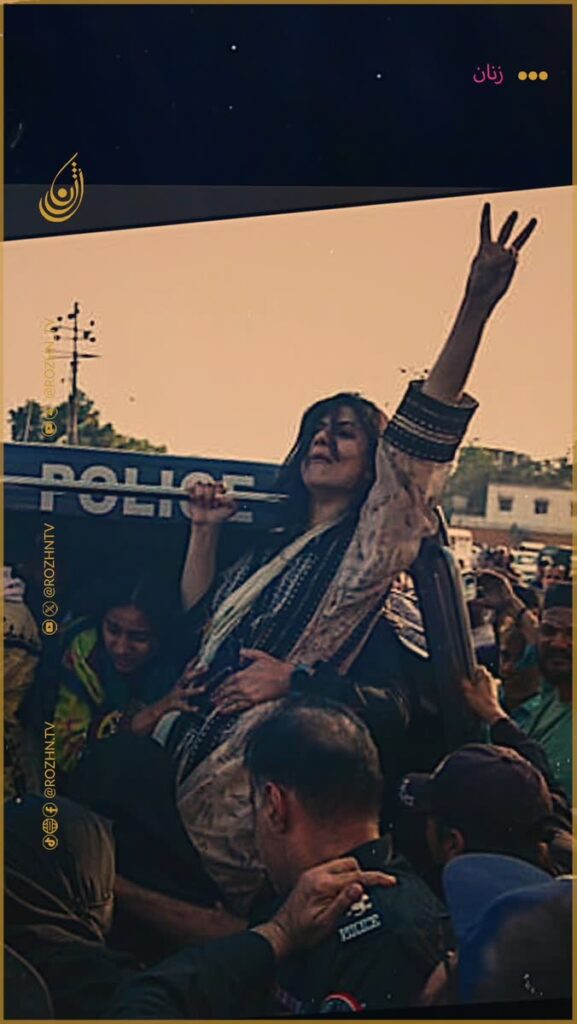
Every year, as in the past, International Women’s Day is marked around the world on March 8. The aim of this day is to honor women’s struggles for rights, equality and social justice, and to highlight the problems women face in different societies. In Balochistan, however, the meaning of this day is somewhat different from other parts of Pakistan. While in other parts of Pakistan women raise their voices for equal rights, social freedoms and economic independence, Baloch women take to the streets to protest for basic human rights, an end to enforced disappearances and the return of their loved ones.
The struggle of women in Balochistan is not limited to the question of gender inequality; it is bound up with deep political, social and human rights problems. For this reason, the Baloch women’s movement is not confined to women’s rights alone but is considered part of a broader human and national struggle. The presence of Baloch women in the streets, press clubs, protest camps and long marches shows that they are no longer willing to remain silent in the face of the injustices in their society.
Over the past year, several prominent Baloch women leaders have been in state detention. These include Dr. Mahrang Baloch, Comrade Bibo and Gulzadi Baloch. At the same time, many Baloch women face severe restrictions, such as being placed on the “Fourth Schedule” list. Meanwhile, Comrade Dr. Sabiha Baloch has been forced to live in hiding. In addition, a number of Baloch women have also fallen victim to enforced disappearances, and to this day nothing is known of their fate.
This situation shows how seriously the political and social activities of women in Balochistan face pressures and difficulties.
One of the important features of the Baloch women’s struggle is that they are no longer merely a symbol of victimhood but have also become a symbol of awareness and resistance. They are not only fighting for the return of their disappeared loved ones but are at the same time promoting broader political awareness in society. For this reason, the protest camps and marches of women in Balochistan have drawn considerable attention not only at the local level but also nationally and internationally.