بلوچستان · ویدیو
نقش رهبران دینی در کاهش شکاف اجتماعی
تلویزیون رُژن | سهشنبه ۲۱ بهمنماه ۱۴۰۴ / ۱۰ فوریه ۲۰۲۶
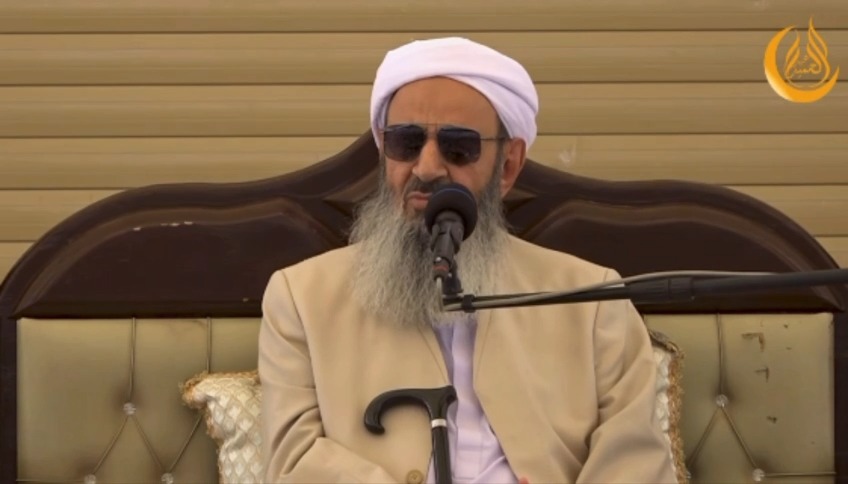
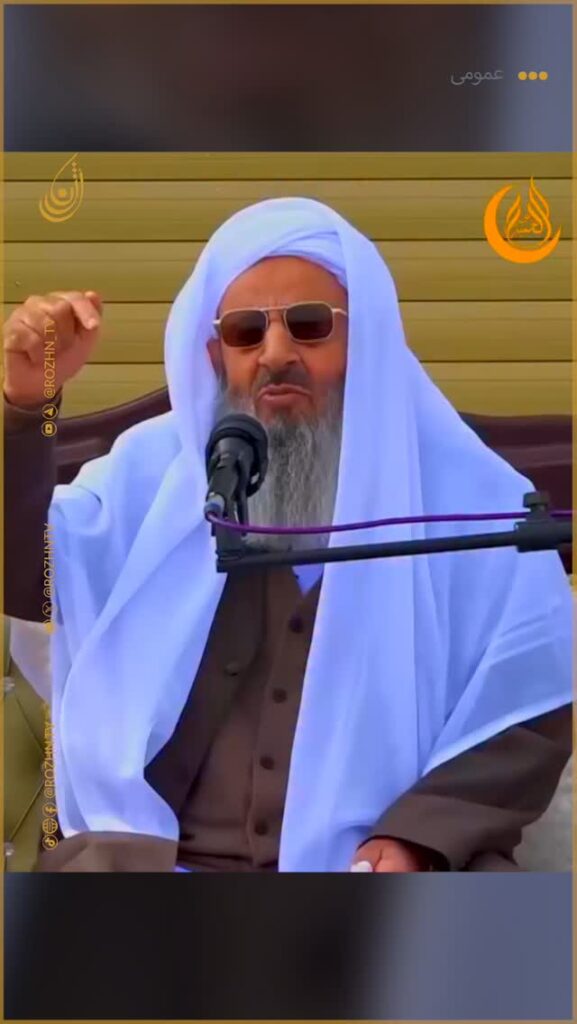
در روزهای اخیر بازتاب سخنان مولوی عبدالحمید بار دیگر به موضوعی قابل توجه در فضای رسانهای کشور تبدیل شده است
برخی روایتهای رسانهای تلاش کردهاند مواضع انتقادی این عالم دینی را در چارچوبی امنیتی تفسیر کنند و جایگاه اجتماعی او را خارج از بدنه عمومی علما بازنمایی نمایند
در مقابل بررسیهای رسانهای نشان میدهد که این نوع روایت بخشی از یک منازعه روایتی گستردهتر است که در آن مفهوم استقلال علما به شکلی محدود و همسو با روایت رسمی بازتعریف میشود
مولوی عبدالحمید در مواضع اخیر خود بر مسئولیت اخلاقی علما تاکید کرده و یادآور شده است که عالم دینی مستقل نمیتواند نسبت به رنج مردم بیتفاوت باشد
این سخنان برای بخش قابل توجهی از جامعه ایران یادآور نقش تاریخی علما در دفاع از کرامت انسانی عدالت اجتماعی و گفتوگوی مسالمتآمیز بوده است
در بازتابهای عمومی رسانهای چنین دیده میشود که جایگاه اجتماعی مولوی عبدالحمید نه صرفا حاصل یک موقعیت محلی بلکه برآمده از سالها کنش دینی و اجتماعی است
این موقعیت باعث شده است که سخنان او برای طیفهای متنوعی از جامعه قابل شنیدن باشد و فراتر از مرزبندیهای مذهبی بازتاب پیدا کند
این تحولات بار دیگر این پرسش را در افکار عمومی برجسته کرده است که مرز میان نقد دینی مسئولانه و تفسیر امنیتی کجاست
پرسشی که پاسخ به آن میتواند مسیر آینده گفتوگوی ملی همزیستی اجتماعی و اعتماد عمومی را روشنتر سازد
ENThe Role of Religious Leaders in Narrowing Social DividesRead in English
Rozhn TV | Tuesday, February 10, 2026
In recent days, reaction to Molavi Abdolhamid’s remarks has once again become a notable topic in the country’s media sphere.
Some media narratives have tried to interpret the critical positions of this religious scholar within a security framework and to portray his social standing as outside the mainstream body of clerics.
In contrast, media analyses show that this kind of narrative is part of a broader narrative conflict in which the concept of the independence of clerics is redefined in a narrow way that aligns with the official account.
In his recent positions, Molavi Abdolhamid has stressed the moral responsibility of clerics and has recalled that an independent religious scholar cannot be indifferent to people’s suffering.
For a considerable part of Iranian society, these remarks have been a reminder of the historical role of clerics in defending human dignity, social justice and peaceful dialogue.
In public media reaction, it appears that Molavi Abdolhamid’s social standing is not merely the product of a local position but has emerged from years of religious and social activity.
This standing has made his words audible to a wide range of society and has allowed them to resonate beyond sectarian lines.
These developments have once again brought to the fore in public opinion the question of where the line lies between responsible religious criticism and security-minded interpretation.
A question whose answer could clarify the future path of national dialogue, social coexistence and public trust.