روایت مولوی عبدالحمید از «جمعه خونین زاهدان» و درخواست برای رسیدگی عادلانه
تلویزیون رُژن | جمعه ۳ مهرماه ۱۴۰۵ | ۲۵ سپتامبر ۲۰۲۶
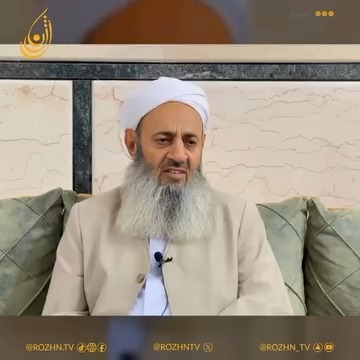
مولوی عبدالحمید، امامجمعه اهلسنت زاهدان، در نخستین نماز جمعه پس از رویداد ۸ مهر ۱۴۰۱، با اشاره به آنچه در اطراف مصلای زاهدان رخ داده بود، خواستار بررسی «بیطرفانه و منصفانه» حادثه و رسیدگی قانونی به مسئولان و عاملان آن شد.
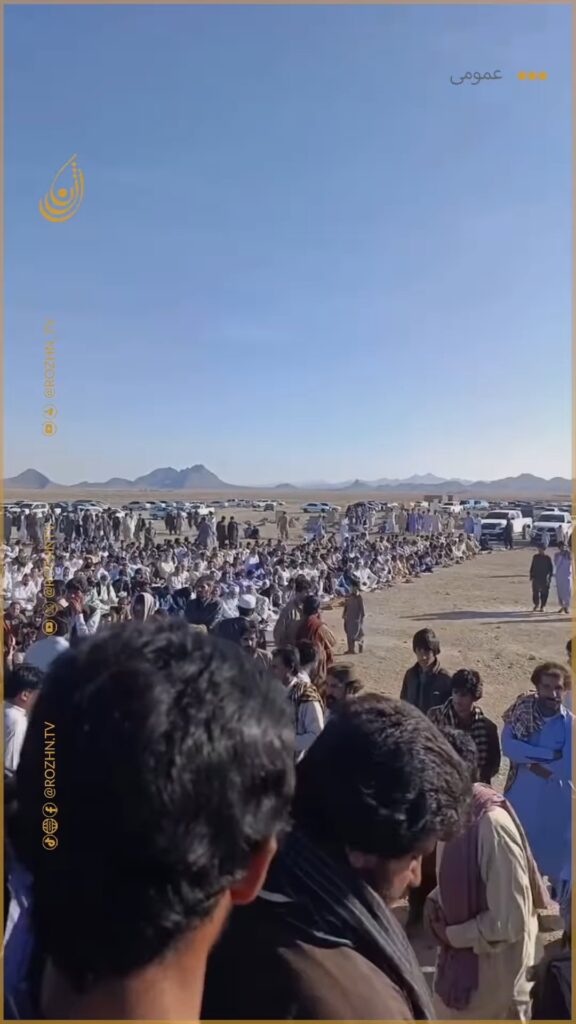
او در روایت خود گفت مراسم نماز جمعه در ابتدا در آرامش برگزار شده بود، اما پس از آن تیراندازی به سوی افرادی در اطراف مصلا و همچنین شماری از نمازگزاران و کسانی که محل را ترک میکردند صورت گرفت. سازمان دیدهبان حقوق بشر نیز بعدها گزارش کرد که مولوی عبدالحمید در همان مقطع، روایتهای رسمی منتشرشده درباره چگونگی آغاز حادثه را رد کرده و روایت متفاوتی از تیراندازی ارائه کرده بود.
مولوی عبدالحمید در سخنان خود همزمان بر دادخواهی، حفظ آرامش و امنیت، جلوگیری از انتقامجویی و حفظ وحدت میان طوایف و مردم منطقه تأکید کرد و از مردم خواست مطالبات خود را بدون آسیبزدن به امنیت و جان و مال دیگران پیگیری کنند.
او در ماههای بعد نیز تأکید کرد که مردم بهدنبال انتقام نیستند و خواسته اصلی آنان روشنشدن حقیقت و اجرای عدالت است.
ENMolavi Abdolhamid’s Account of Zahedan’s “Bloody Friday” and His Call for a Fair InvestigationRead in English
Rozhn TV | Friday, September 25, 2026
Molavi Abdolhamid, the Sunni Friday prayer leader of Zahedan, in the first Friday sermon after the events of September 30, 2022 (8 Mehr 1401), referring to what had happened around the Zahedan Grand Mosalla, called for an “impartial and fair” investigation of the incident and for legal action against those responsible and the perpetrators.
In his account, he said that the Friday prayer ceremony had initially been held peacefully, but that afterwards shots were fired at people around the Mosalla, as well as at a number of worshippers and people who were leaving the site. Human Rights Watch later reported that, at that time, Molavi Abdolhamid had rejected the official accounts published about how the incident began and had offered a different account of the shooting.
In his remarks, Molavi Abdolhamid stressed at the same time the pursuit of justice, the preservation of calm and security, the prevention of revenge, and the maintenance of unity among the tribes and people of the region, and he asked people to pursue their demands without harming the security, lives and property of others.
In the following months he also stressed that the people were not seeking revenge and that their main demand was for the truth to be established and justice to be done.