بلوچستان · ویدیو
بررسی ایران امروز، ایران فردا و وضعیت مردم بلوچ در کنفرانس استکهلم
ENExamining Iran Today, Iran Tomorrow and the Situation of the Baloch People at the Stockholm ConferenceRead in English
Stockholm – Wednesday, June 4, 2025
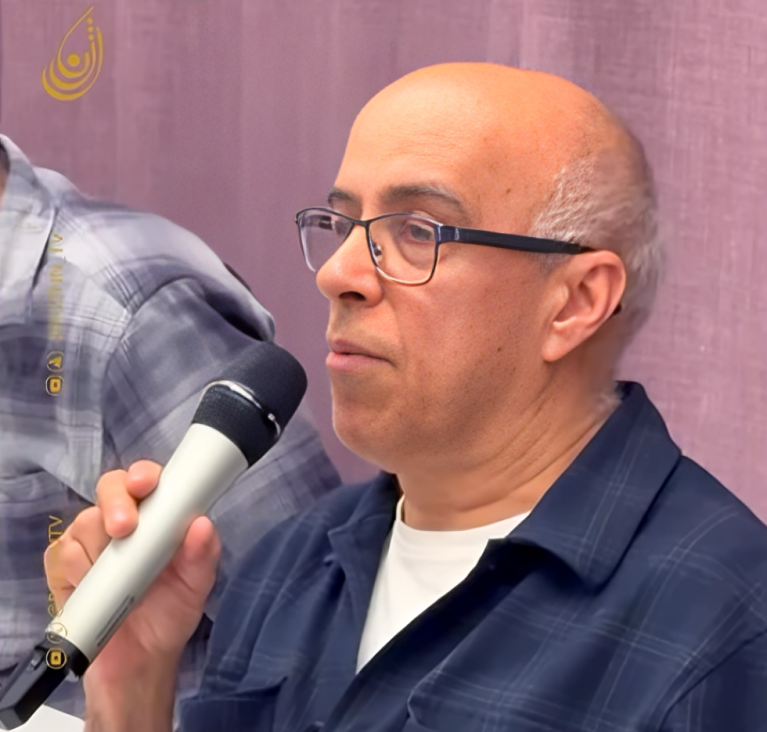
On May 23, 2025, a conference titled “Iran Today, Iran Tomorrow” was held in Stockholm, organized by the Worker-communist Party of Iran. Focusing on Iran’s political and social issues, especially the situation of the Baloch people, the meeting hosted about 40 to 50 civil and political activists and Iranians living in Sweden.
Figures such as Naser Balidehi, secretary-general of the Balochistan People’s Party, and Fariba Borhanzehi, a Baloch human rights activist, attended as special guests. In their speeches they addressed structural discrimination, rising militarization in Balochistan, the suppression of the voices of nations and the need to strengthen solidarity among Iran’s oppressed nationalities.
The strong presence of participants in the discussions and in raising questions and criticisms made the conference’s atmosphere more interactive. Among the first comments was the intervention of Mr. Arman Mobaraki, who stressed the need to strengthen collective action between the opposition and marginalized communities.
Focusing on the possibility of building a democratic, secular and federal future for Iran, participants also spoke of the need to create a foundation for equality among ethnic groups, fair distribution of power and respect for diverse identities. In this framework, a picture of “Iran tomorrow” was drawn in which no nation is pushed to the margins, universal political participation is guaranteed, and social justice is posited as the backbone of the future society.
A post shared by Rozhn TV (@rozhn_tv)