بلوچستان · ویدیو
بررسی ایران امروز، ایران فردا و وضعیت مردم بلوچ در کنفرانس استکهلم
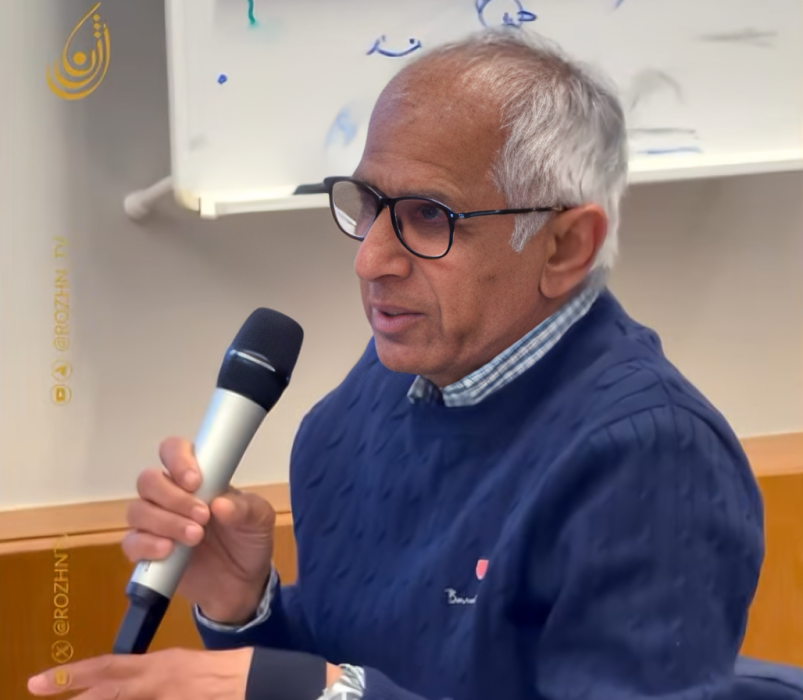
ENExamining Iran Today, Iran Tomorrow and the Situation of the Baloch People at the Stockholm ConferenceRead in English
Stockholm – Wednesday, June 4, 2025
On May 23, 2025, a conference titled “Iran Today, Iran Tomorrow” was held in Stockholm, Sweden. The meeting was held on the initiative of the Worker-communist Party of Iran, with 40 to 50 political and civil activists and Iranians living in Europe attending. The main focus of the discussions was examining Iran’s political and social situation, with a special focus on the Baloch people.
Among the special guests at the event were Naser Balidehi, secretary-general of the Balochistan People’s Party, and Fariba Borhanzehi, a Baloch human rights activist. In their speeches they addressed issues such as structural discrimination against the Baloch, the growing presence of security forces in Balochistan, and the suppression of the rights of nationalities.
During the meeting, the audience took an active part by raising questions, criticisms and proposals. Among these contributions, the first viewpoint was presented by Mr. Rasoul Davoudi, who examined the roots of discrimination and the need for unity of progressive forces in confronting repression.
Participants stressed the necessity of building a democratic, secular and federal future, one in which all oppressed ethnic groups and nationalities enjoy the right to self-determination and political and social equality.
Overall, “Iran tomorrow” was portrayed at this conference as a stable, justice-oriented and diverse Iran; a country in which peaceful coexistence, equal participation and respect for differences are recognized as foundational principles.
A post shared by Rozhn TV (@rozhn_tv)