توفان شن و ریزگرد در شمال بلوچستان؛ شاخص آلودگی به عدد بحرانی ۵۰۰ رسید
ENSand and Dust Storm in Northern Balochistan; Pollution Index Hits Critical Level of 500Read in English
Rozhn TV | Friday, May 23, 2025
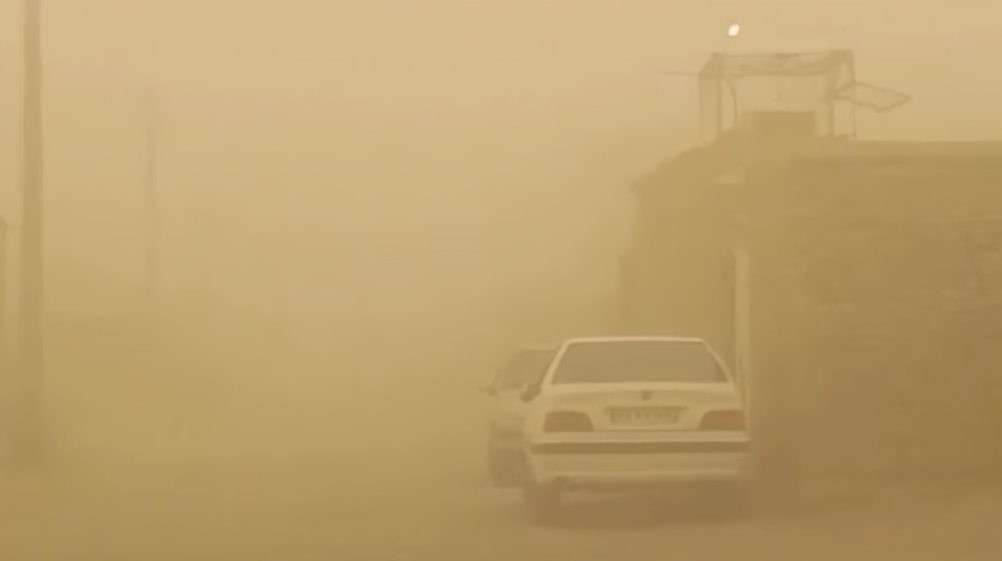
Today, the north of Sistan and Baluchestan province was hit by a severe sand and dust storm that engulfed the cities of Zabol, Zahak and Dost Mohammad. According to published reports, the air pollution index in these areas reached the extremely hazardous level of 500, a figure that signals an emergency and a direct threat to the health of all age groups.
The storm, which has sharply reduced horizontal visibility and disrupted urban traffic, has also led to the temporary closure of schools and outpatient medical centers and restrictions on the operation of government offices. Hospitals in these areas have also seen a rise in patients suffering from shortness of breath and respiratory illnesses.
According to environmental experts, the drying up of the international Hamoun Lake is one of the main reasons for the increase in sandstorms in the region. The lake, once a source of life and agriculture for the region, has gradually dried up because Afghanistan has failed to deliver the Hirmand River’s water share and because of the Iranian government’s diplomatic silence, and has turned into a permanent source of dust.
The climate changes caused by this environmental crisis are no longer limited to the hot seasons, and sandstorms have become a permanent threat to people’s lives in winter as well. Analysts warn that if no urgent solution is adopted to revive the Hamoun and manage the region’s water resources, northern Balochistan will be fully exposed to a human and environmental catastrophe.
A post shared by Rozhn TV (@rozhn_tv)