تبرئه عوامل جمعههای خونین زاهدان و خاش؛ عدالت وارونه جمهوری اسلامی
ENPerpetrators of Zahedan and Khash Bloody Fridays Acquitted; the Islamic Republic’s Inverted JusticeRead in English
Rozhn TV | Friday, May 23, 2025
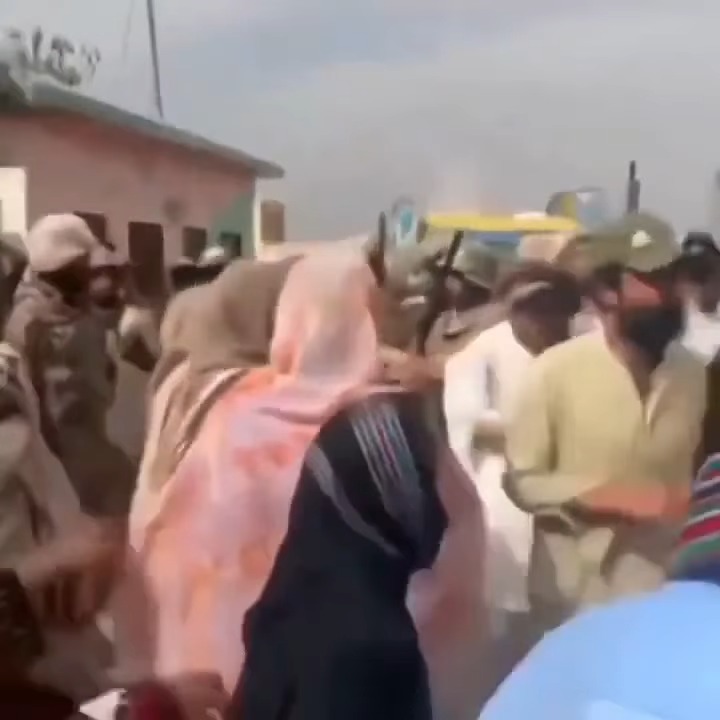
As the cases related to the Bloody Fridays of Zahedan and Khash continue, reports indicate that those chiefly responsible for these killings have effectively been exempted from serious judicial pursuit. This is exactly what many civil and human rights activists had warned about earlier: an unwritten acquittal for the military and security forces accused in these cases.
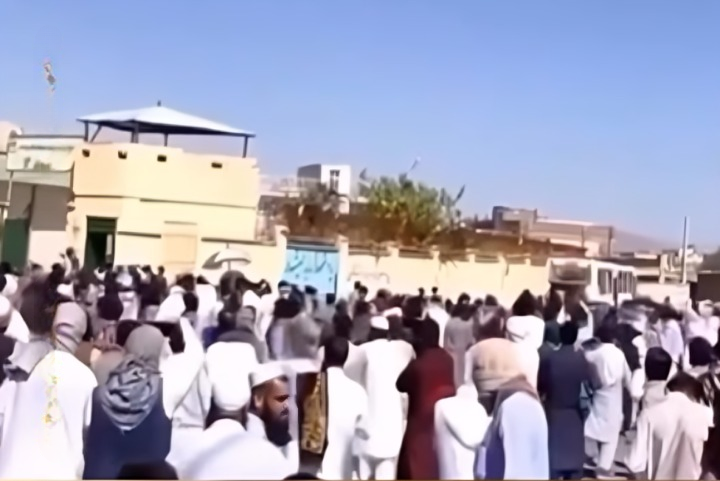
During the protests of Mehr 1401 (September-October 2022), more than 120 Baloch worshippers and citizens were killed in Zahedan and Khash in just a few hours. In addition, hundreds of others were wounded or left with lost limbs, including children who will live with disabilities for the rest of their lives. Yet on the other side, the judiciary of the Islamic Republic swiftly and decisively issued death sentences for several protesters, sentences that, in the view of critics, are less grounded in legal evidence than an attempt at suppression and at creating social terror.
This judicial practice has displayed a troubling picture of the concept of “justice” in the Islamic Republic: an inverted and instrumentalized justice that, instead of answering to grieving families, seeks to consolidate power and instill fear among the people.
In Balochistan, where poverty, discrimination, successive executions and death on the fuel-carrying routes are everyday realities, such rulings and treatment only deepen the gap between the people and the government. Silence in the face of these crimes is complicity in the continuation of oppression, a silence that tomorrow’s history will also be ashamed of.
This affair will be not only a wound on the body of Balochistan but also a stain on the history of justice in Iran, a wound that deepens every day as the cries of grieving mothers go unanswered.
A post shared by Rozhn TV (@rozhn_tv)