جانباختن لالی بامری، دومین قربانی زن در یورش خونین به روستای گونِیچ
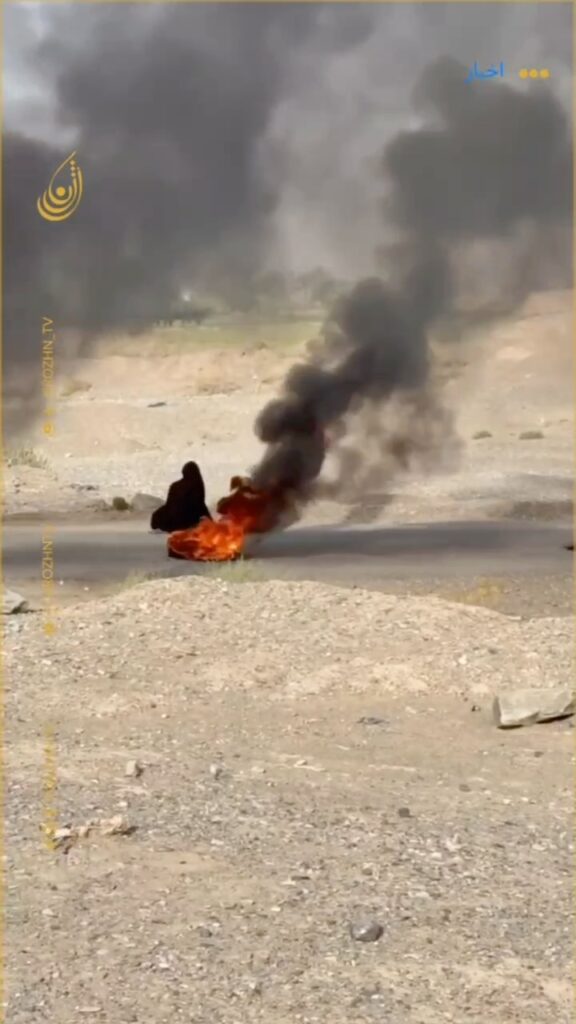
بامداد جمعه ۱۳ تیر، لالی بامری، زن بلوچ ۴۰ ساله که در یورش نظامیان جمهوری اسلامی به روستای گونِیچ زخمی شده بود، در بیمارستان خاش جان باخت. کلیههای او در اثر اصابت گلوله از کار افتاده بود و سه روز در بخش مراقبتهای ویژه با دستگاه دیالیز زنده نگه داشته میشد. لالی دومین زن قربانی این حمله است؛ پیشتر، خانبیبی بامری نیز با شلیک مستقیم گلوله به کلیه جان سپرده بود. در این حمله که سهشنبه ۱۰ تیر با پهپاد و سلاح جنگی انجام شد، ۱۲ زن بیدفاع هدف تیراندازی قرار گرفتند. یکی از زنان باردار در این یورش، بر اثر ضربات نیروهای نظامی، جنین خود را از دست داد. فعالان حقوق بشر این حمله را جنایتی فجیع و نقض آشکار حرمت انسانی زنان بلوچ توصیف کردهاند.
رُژن تیوی با صدایی بغضآلود اما استوار شهادت مظلومانهی لالی بامری را به ملت قهرمان بلوچ، طایفهی شریف بامری، و مردم مقاوم روستای گونِیچ تسلیت میگوید. لالیها نمیمیرند، به تاریخ میپیوندند. این خونهای بیگناه، درخت رهایی بلوچستان را سیراب خواهد کرد. گونیچ زخمیست، اما سرخم نکرده؛ ملت بلوچ سوگوار است، اما تسلیم نخواهد شد.
ENLali Bameri Dies, Second Woman Killed in Bloody Raid on Gonich VillageRead in English
In the early hours of Friday, July 4, Lali Bameri, a 40-year-old Baloch woman who had been wounded in the Islamic Republic’s military raid on the village of Gonich, died in a hospital in Khash. Her kidneys had failed after she was hit by a bullet, and for three days she had been kept alive on a dialysis machine in the intensive care unit. Lali is the second female victim of the attack; earlier, Khanbibi Bameri had also died after being shot directly in the kidney. In the attack, carried out on Tuesday, July 1 with a drone and military weapons, 12 defenseless women were shot at. One of the pregnant women lost her baby as a result of blows from the military forces. Human rights activists have described the attack as a heinous crime and a flagrant violation of the human dignity of Baloch women.
With a voice choked with grief yet steadfast, Rozhn TV offers its condolences on the unjust martyrdom of Lali Bameri to the heroic Baloch nation, the honorable Bameri tribe, and the resilient people of the village of Gonich. The Lalis do not die; they join history. These innocent bloods will water the tree of Balochistan’s liberation. Gonich is wounded, but it has not bowed its head; the Baloch nation is in mourning, but it will not surrender.