صلح تاریخی میان دو طایفه در سرباز
تلویزیون رُژن | امروز شنبه ۱۴ تیر ۱۴۰۴ خورشیدی، برابر با ۵ ژوئیه ۲۰۲۵ میلادی است
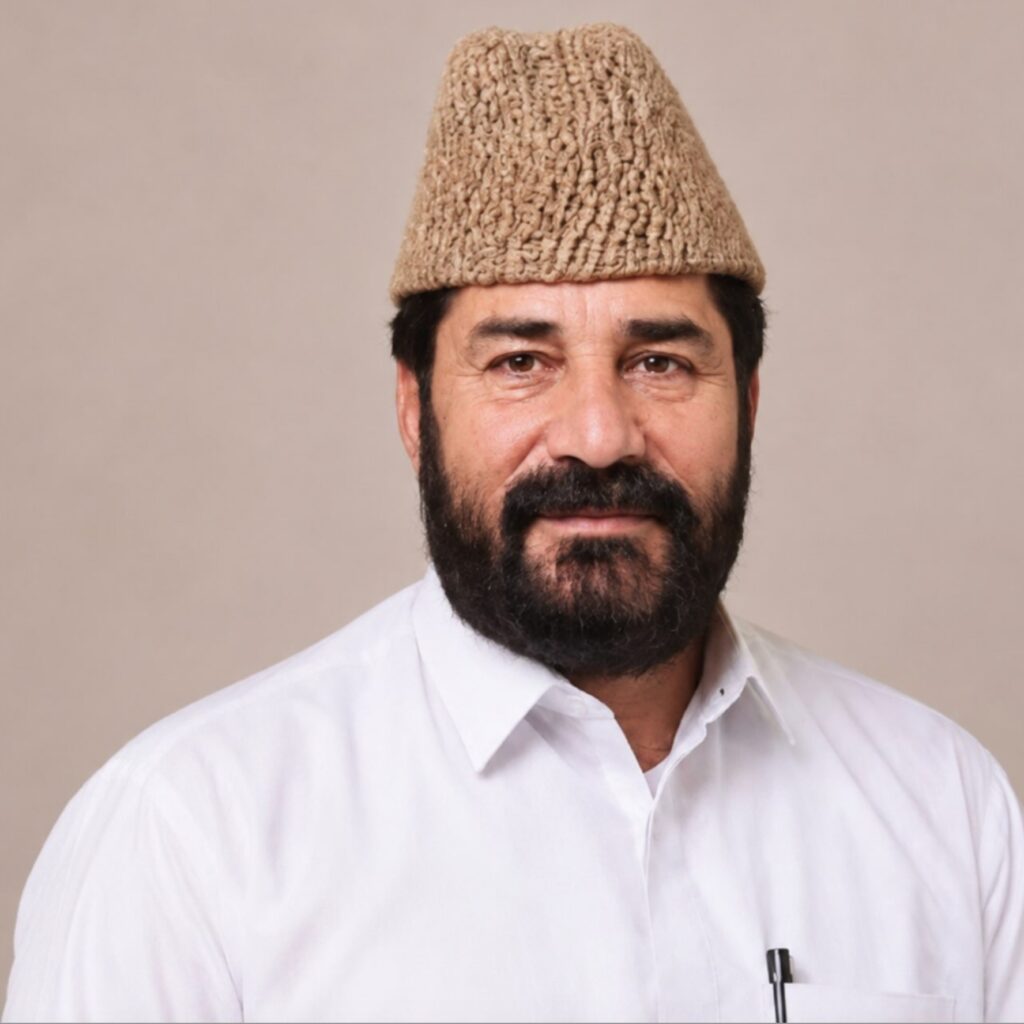
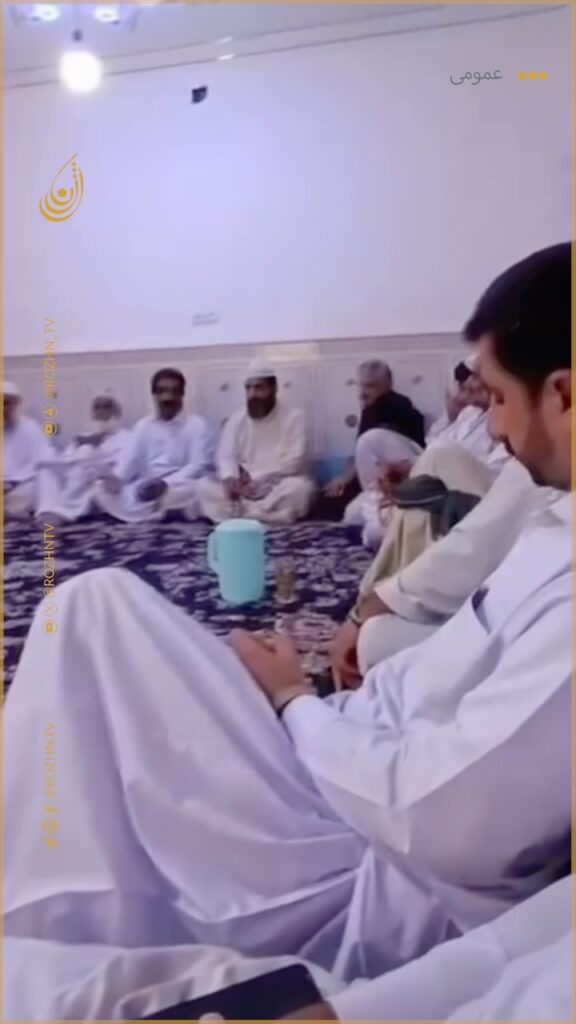
صلح و سازش میان دو طایفه دهانی و چاکری، به همت سردار محمد اسلام دهانی، در تاریخ ۱۴ تیر ۱۴۰۴ در منطقه نظرآباد سرباز، به سرانجامی مسالمتآمیز رسید.
این رویداد، نهتنها پایانی بود بر اختلافی که میتوانست سالها ادامه یابد، بلکه نقطهی عطفی در مسیر گفتوگو، همزیستی و آیندهای بهتر برای مردم بلوچستان بهشمار میرود.
سرداری از نسل صلحسازان
سردار محمد اسلام دهانی، که با درایت، اعتماد عمومی و رویکردی انسانی در میان مردم شناخته میشود، بار دیگر نشان داد که رهبری محلی چگونه میتواند نقشی کلیدی در جلوگیری از خشونت و تداوم آرامش ایفا کند.
او پیشتر نیز در چندین مورد دیگر، با خوشرفتاری، بیطرفی و حکمت محلی توانسته بود اختلافات میان خانوادهها و طوایف را به صلحی پایدار تبدیل کند.
الگویی برای نسل آینده
در دورانی که بحرانها، فقر و محرومیت میتوانند بذر خشونت را در هر گوشهای از جامعه بکارد، چنین رویدادهایی الهامبخشاند.
دهانی و چاکری، با انتخاب صلح بهجای درگیری، با دست دادن بهجای مقابله، و با گفتگو بهجای نفرت، الگویی شدند برای جوانانی که به دنبال آیندهای روشنتر در بلوچستاناند.
این صلح، صرفاً یک رویداد محلی نیست؛ بلکه نشانیست از ظرفیت عظیم مردم این سرزمین برای حل اختلافات بدون توسل به خشونت.
همچنین یادآوریست برای نهادهای رسمی و بینالمللی که قدرت ریشهدار ساختارهای اجتماعی و فرهنگی محلی را در فرآیند صلحسازی نباید نادیده گرفت.
راهی به سوی بلوچستانی بهتر
صلح دهانی–چاکری یک پیام روشن دارد:
اگر ما از دل خانوادهها و طوایف، فرهنگ گفتگو و آشتی را بازسازی کنیم، میتوانیم در برابر موج خشونت و بیاعتمادی، سد بسازیم.
به امید آنکه این حرکت، آغازی باشد برای دهها صلح دیگر در سراسر بلوچستان.
ENHistoric Peace Reached Between Two Tribes in SarbazRead in English
Rozhn TV | Saturday, July 5, 2025
Peace and reconciliation between the Dahani and Chakeri tribes, through the efforts of Sardar Mohammad Eslam Dahani, reached a peaceful conclusion on July 5, 2025, in the Nazarabad area of Sarbaz.
This event was not only the end of a dispute that could have continued for years, but is also regarded as a turning point on the path toward dialogue, coexistence and a better future for the people of Balochistan.
A Sardar from a Lineage of Peacemakers
Sardar Mohammad Eslam Dahani, who is known among the people for his prudence, public trust and humane approach, has once again shown how local leadership can play a key role in preventing violence and sustaining calm.
In several other cases before this, through good conduct, impartiality and local wisdom, he had managed to turn disputes between families and tribes into lasting peace.
A Model for the Next Generation
In an era when crises, poverty and deprivation can plant the seeds of violence in every corner of society, events like this are inspiring.
By choosing peace over conflict, a handshake over confrontation, and dialogue over hatred, the Dahani and Chakeri have become a model for young people seeking a brighter future in Balochistan.
This peace is not merely a local event; it is a sign of the immense capacity of the people of this land to resolve disputes without resorting to violence.
It is also a reminder to official and international institutions that the deep-rooted strength of local social and cultural structures must not be overlooked in peacebuilding.
A Path Toward a Better Balochistan
The Dahani–Chakeri peace carries a clear message:
If we rebuild a culture of dialogue and reconciliation from within families and tribes, we can build a dam against the wave of violence and mistrust.
We hope this move will be the beginning of dozens of other peace agreements across Balochistan.