
بلوچستان · ویدیو
یادبود قنبر نارویی، صدای بلوچستان از منطقه رودبار
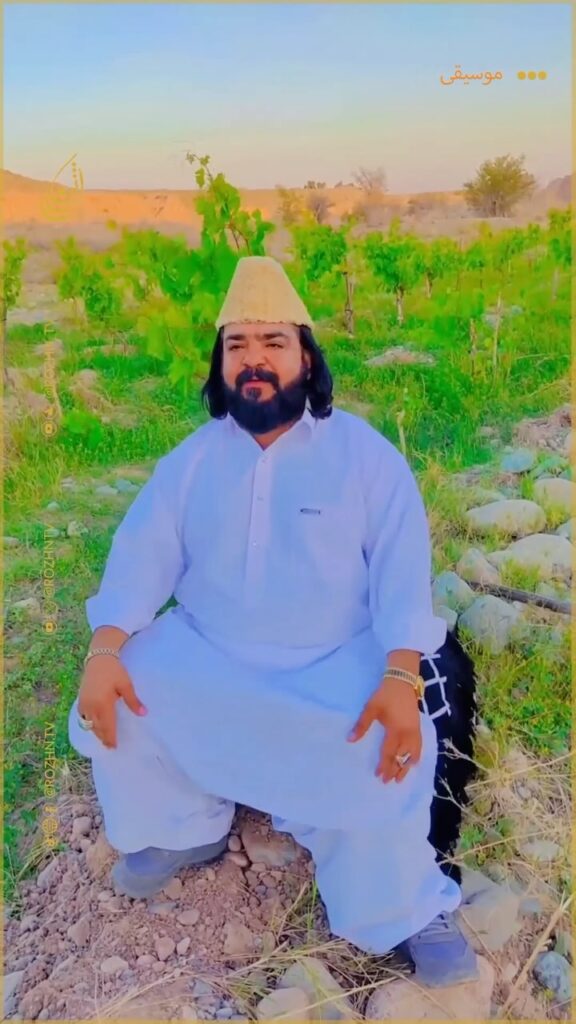
تلویزیون رُژن | سهشنبه ۶ خرداد ۱۴۰۴ خورشیدی / ۲۷ مه ۲۰۲۵ میلادی
قنبر نارویی، خوانندهی محبوب و خوشآوای رودبار، چشم از جهان فروبست. قلبی که برای مردم و سرزمینش میتپید، در بیمارستان سیدالشهدای رودبار به سکوتی ابدی پیوست. او تنها یک خواننده نبود؛ او پژواکی از دردها، امیدها و زیباییهای مردمی بود که همواره زیر سایهی سنگین تبعیض نفس میکشیدند.
صدای گرم و اشعار جانبخش قنبر، گوش جان هر شنوندهای را نوازش میداد. او با ترانههایش نسلی را به عشق، هویت و ایستادگی پیوند زد. اما حکومتی که همواره نگاهش را از استعدادهای این خاک برمیگرداند، قنبر نارویی را نیز مورد بیمهری قرار داد ؛ چهرهای که میتوانست نمایندهی هنر و فرهنگ سرزمینی باشد که در تاریخ خود غرق در نبوغ و خلاقیت بوده است.
در ساختار تبعیضآلود جمهوری اسلامی، هنر و شعر نیز به مانند سایر جنبههای زندگی بلوچها قربانی شدهاند. هنرمندان و شاعران بلوچ، که همچون ستارگان خاموش در آسمان بیتفاوتی میدرخشند، بارها و بارها از سوی ساختارهای حکومتی نادیده گرفته شدهاند. قنبر نارویی نیز یکی از این نخبگان بود که با وجود تواناییهای بیبدیل، در سکوت و بیاعتنایی زندگی کرد و در همان سکوت به ابدیت پیوست. نام قنبر نارویی، در قلب طرفدارانش جاودانه خواهد ماند. شاید مرگ او پایان زندگی جسمانیاش باشد، اما صدای او همچنان در میان کوهها و دشتهای بلوچستان و رودبار طنینانداز خواهد بود.
او یادآور این حقیقت است که زیبایی و هنر هرگز نخواهد مرد.
ENRemembering Ghanbar Naroui, Voice of Balochistan from the Roudbar RegionRead in English
Rozhn TV | Tuesday, May 27, 2025
Ghanbar Naroui, the beloved and sweet-voiced singer of Roudbar, has departed this world. The heart that beat for his people and his land fell into eternal silence at Sayyed al-Shohada Hospital in Roudbar. He was not merely a singer; he was an echo of the pains, hopes and beauties of a people who have always breathed under the heavy shadow of discrimination.
Ghanbar’s warm voice and soul-stirring poetry caressed the ear of every listener. With his songs he bound a generation to love, identity and perseverance. But a state that has always turned its gaze away from the talents of this land showed neglect to Ghanbar Naroui as well; a figure who could have represented the art and culture of a land whose history is steeped in genius and creativity.
In the discriminatory structure of the Islamic Republic, art and poetry, like other aspects of Baloch life, have been sacrificed. Baloch artists and poets, who shine like silent stars in the sky of indifference, have been ignored again and again by the state’s structures. Ghanbar Naroui was one of these elite who, despite his unparalleled abilities, lived in silence and indifference and passed into eternity in that same silence. The name of Ghanbar Naroui will remain immortal in the hearts of his fans. Perhaps his death is the end of his physical life, but his voice will continue to echo among the mountains and plains of Balochistan and Roudbar.
He is a reminder of the truth that beauty and art will never die.



