گلوله، دولت و بحران اعتماد در بلوچستان
دیدگاه | عزیز سنگهور
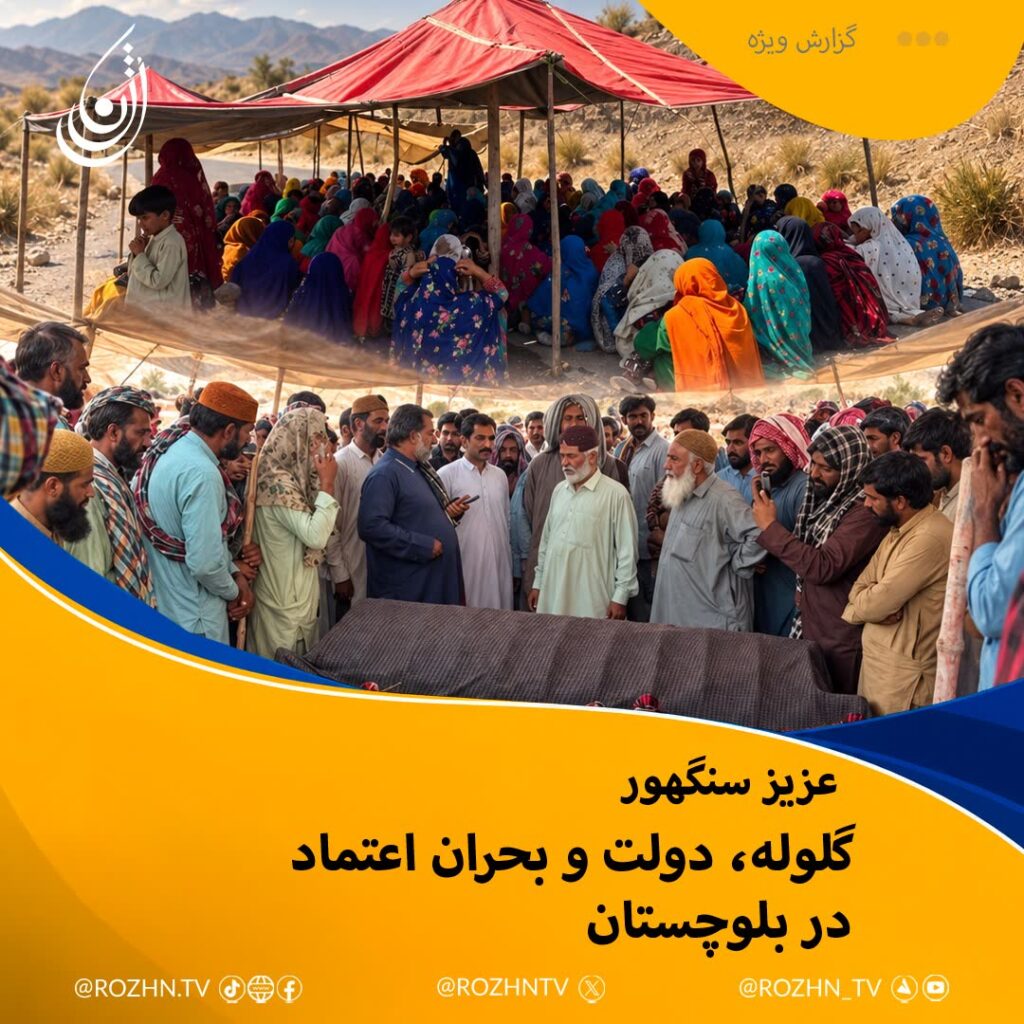
بلوچستان شرقی بار دیگر به خیابان آمده است. این بار در جادهٔ وڈھ تنها رفتوآمد متوقف نشده، بلکه پرسش از خاموش شدن چراغ چهار خانه مطرح است. پیکرها در جاده گذاشته شدهاند، مردم دست به اعتراض زدهاند و شاهراه کویته ـ کراچی مسدود شده است. پرسش اصلی این نیست که این شاهراه چند ساعت بسته خواهد ماند؛ پرسش اساسی این است که چرا شرایطی به وجود آمده که مردم ناچار میشوند پیکر کشتهشدگان خود را در جاده بگذارند و برای عدالت فریاد بزنند؟
در شب ۱۰ سپتامبر، در منطقهٔ سونارو، کلی یارمحمد گرگناڑی، از توابع وڈھ در شهرستان خضدار، در جریان برگزاری یک مراسم عروسی، بنا بر گزارشهای منتشرشده و روایت ساکنان محلی، در پی تیراندازی در جریان عملیاتی که به نیروهای امنیتی نسبت داده شده است، چهار نفر کشته و یک زن و شماری دیگر زخمی شدند. ساکنان منطقه گفتهاند تیراندازی بدون هدف مشخص صورت گرفته و قربانیان شهروندانی عادی و زحمتکش بودهاند. جزئیات کامل این رویداد و شرایط دقیق منتهی به تیراندازی نیازمند بررسی مستقل است.
اما مسئلهٔ بلوچستان تنها یک حادثه نیست.
این مسئله حاصل سالها انباشته شدن گزارشها درباره ناپدیدشدن افراد، یورشها، بازداشتها، کشتهشدنها، اعتراضات و افزایش بیاعتمادی بخشی از مردم به نهادهای دولتی است. هنگامی که در خانهای مراسم عروسی برپا باشد و ناگهان مرگ وارد آن خانه شود، دیگر این حادثه تنها یک فاجعهٔ خانوادگی نیست؛ جامعهٔ بزرگتر نیز ممکن است آن را اقدامی علیه خود تلقی کند.
دولتها تنها با قدرت اداره نمیشوند؛ دولتها با اعتماد پابرجا میمانند.
گلوله میتواند منطقهای را به سکوت وادار کند، اما نمیتواند ترس، خشم و احساس محرومیت را از دل مردم بیرون کند.
هنگامی که پس از عملیاتی که به یک نهاد دولتی نسبت داده میشود پیکرها در جاده قرار میگیرند، مردم شاهراه را مسدود میکنند و خانوادههای قربانیان برای عدالت فریاد میزنند، این لحظه باید برای حکومت یک هشدار بسیار جدی باشد. دولت باید بهجای اتکای بیشتر به زور، دربارهٔ شیوهٔ حکمرانی خود بازنگری کند.
جوانان بلوچ از پیش این پرسش را مطرح میکنند که عدالت در قبال آنان کجاست؟ منابع آنان، زمین آنان، هویت آنان، صدای سیاسی آنان و امنیت جان و مالشان کجاست؟ اگر به این پرسشها از طریق مذاکره، قانون و عدالت پاسخ داده نشود، زمینه برای گسترش دیدگاههای تندروانه و افزایش شکافهای اجتماعی فراهم خواهد شد.
دولت باید در اینجا تفاوت میان «امنیت» و «سکوت» را درک کند.
سکوت را میتوان با زور اسلحه نیز ایجاد کرد، اما صلح پایدار تنها از مسیر عدالت به دست میآید.
اگر در بلوچستان هر اعتراضی دشمنی، هر پرسشی شورش و هر اختلاف سیاسی مسئلهای امنیتی تلقی شود، فاصلهها بیش از پیش افزایش خواهد یافت. جوانی که امروز از دولت سؤال میکند، اگر احساس کند در پاسخ تنها با فشار و زور مواجه میشود، ممکن است فردا بهجای گفتوگو با دولت، بیاعتمادی و فاصله گرفتن از آن را انتخاب کند.
این همان نقطهای است که حکومت پاکستان باید با جدیت دربارهٔ آن بیندیشد.
آیا میخواهد بلوچستان را در چارچوب رابطهای مبتنی بر اعتماد در کنار خود نگه دارد، یا تنها از طریق اختیار و اقتدار اداری بر آن حکومت کند؟
زیرا هیچ منطقهای را نمیتوان برای همیشه تنها با زور اداره کرد. دولت باید به مردم اطمینان دهد که مسئول حفاظت از جان آنان است، نه منبع نگرانی آنان.
پیکرهایی که در جادهٔ وڈھ قرار گرفتهاند، از همین رو تنها پیکر چهار انسان نیستند. آنها پرسشهایی دربارهٔ سیاستهای دولتیاند. آنها پرسش خانوادههایی هستند که عزیزانشان بازنگشتهاند. آنها پرسش مادرانی هستند که چشمانتظار فرزندان خود ماندهاند. آنها پرسش جوانانی هستند که نسبت به آیندهٔ خود نگراناند.
اگر حکومت در این مقطع نیز تنها بازگشایی شاهراه را مسئله بداند و درد، خشم و محرومیتی را که پشت این اعتراض قرار دارد نبیند، شاید همچنان از دیدن مسئلهٔ اصلی ناتوان بماند.
جنبشهای استقلالطلبانه تنها با شعار قدرتمند نمیشوند. آنها زمانی قدرت میگیرند که در میان بخشی از جامعه این احساس شکل بگیرد که در نظام موجود راهی برای دستیابی به عدالت وجود ندارد.
ENBullets, the State and the Crisis of Trust in BalochistanRead in English
Opinion | Aziz Sanghur
Eastern Balochistan has once again come out into the streets. This time, on the Wadh road, it is not only traffic that has stopped; the question being raised is why the lights have gone out in four homes. The bodies have been laid on the road, people have protested, and the Quetta-Karachi highway has been blocked. The main question is not how many hours this highway will remain closed; the fundamental question is why conditions have arisen in which people are forced to lay the bodies of their dead on the road and cry out for justice.
On the night of September 10, in the Sonaro area, Killi Yar Mohammad Gorgnari, part of Wadh in Khuzdar District, during a wedding ceremony, according to published reports and the accounts of local residents, four people were killed and a woman and a number of others were wounded in shooting during an operation attributed to the security forces. Residents of the area have said the shooting was carried out without any clear target and that the victims were ordinary, hardworking citizens. The full details of this incident and the exact circumstances leading up to the shooting require independent investigation.
But the problem of Balochistan is not just one incident.
It is the product of years of accumulated reports about enforced disappearances, raids, arrests, killings, protests, and the growing distrust of part of the population toward government institutions. When a wedding is being held in a home and death suddenly enters that home, this is no longer merely a family tragedy; the wider community may also regard it as an act against itself.
States are not run by power alone; states endure through trust.
A bullet can force a region into silence, but it cannot drive fear, anger and the sense of deprivation out of people’s hearts.
When, after an operation attributed to a state institution, bodies are laid on the road, people block the highway and the families of the victims cry out for justice, this moment should be a very serious warning to the government. Instead of relying more on force, the state must reconsider its manner of governance.
Baloch youth are already asking where justice is for them. Where are their resources, their land, their identity, their political voice, and the safety of their lives and property? If these questions are not answered through negotiation, law and justice, the ground will be laid for the spread of extremist views and the widening of social divides.
Here the state must understand the difference between “security” and “silence.”
Silence can also be produced at gunpoint, but lasting peace comes only through justice.
If in Balochistan every protest is treated as hostility, every question as rebellion and every political disagreement as a security issue, the distances will grow ever wider. A young person who questions the state today, if he feels he is met only with pressure and force in response, may tomorrow choose distrust and distance from the state instead of dialogue with it.
This is the point that the government of Pakistan must think about seriously.
Does it want to keep Balochistan at its side within a framework of a relationship based on trust, or to rule it solely through administrative authority and power?
For no region can be governed by force alone forever. The state must assure the people that it is responsible for protecting their lives, not a source of their anxiety.
The bodies laid on the Wadh road are, for this very reason, not merely the bodies of four human beings. They are questions about government policies. They are the question of families whose loved ones have not returned. They are the question of mothers still waiting for their children. They are the question of young people anxious about their future.
If the government, at this juncture too, regards only the reopening of the highway as the problem, and does not see the pain, anger and deprivation behind this protest, it may remain incapable of seeing the real problem.
Independence movements do not become powerful through slogans alone. They gain strength when, among part of the society, the feeling takes shape that within the existing system there is no way to attain justice.