بلوچستان · ویدیو
گزارشها از محاصره و بازداشت کارگران فاقد مدارک در بلوچستان
گزارش تلویزیون رُژن | جمعه ۳۰ آبان ۱۴۰۴ / ۲۱ نوامبر ۲۰۲۵
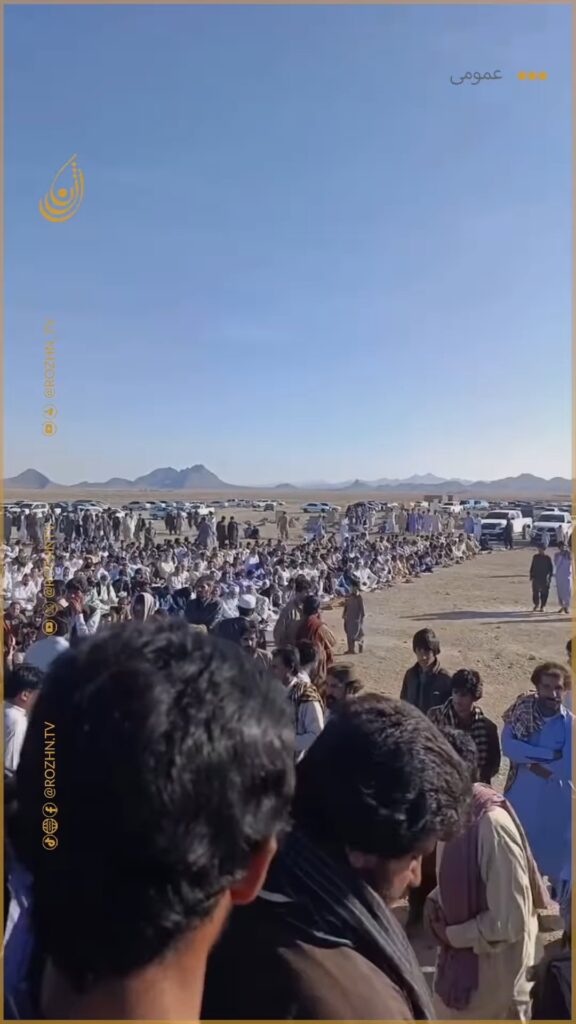
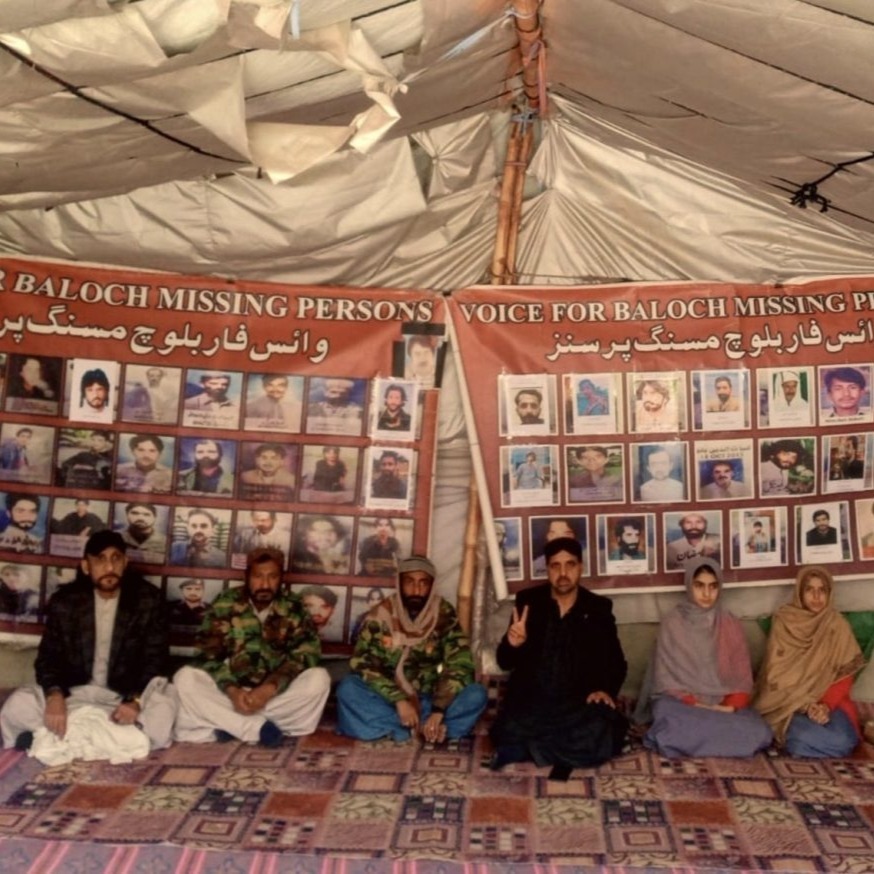
در سالهای اخیر گزارشهای میدانی و شهادت منابع محلی نشان میدهد که روند فشار بر جامعه بلوچ وارد مرحلهای تازه شده است؛ مرحلهای که از «جابهجایی» به سوی «دورسازی» و حتی «شکلهای نوین از انتقال اجباری» حرکت کرده است. این روند نه تنها پیامدهای انسانی و اجتماعی گستردهای دارد، بلکه پرسشهایی جدی درباره هدفمندی و ماهیت آن ایجاد میکند.
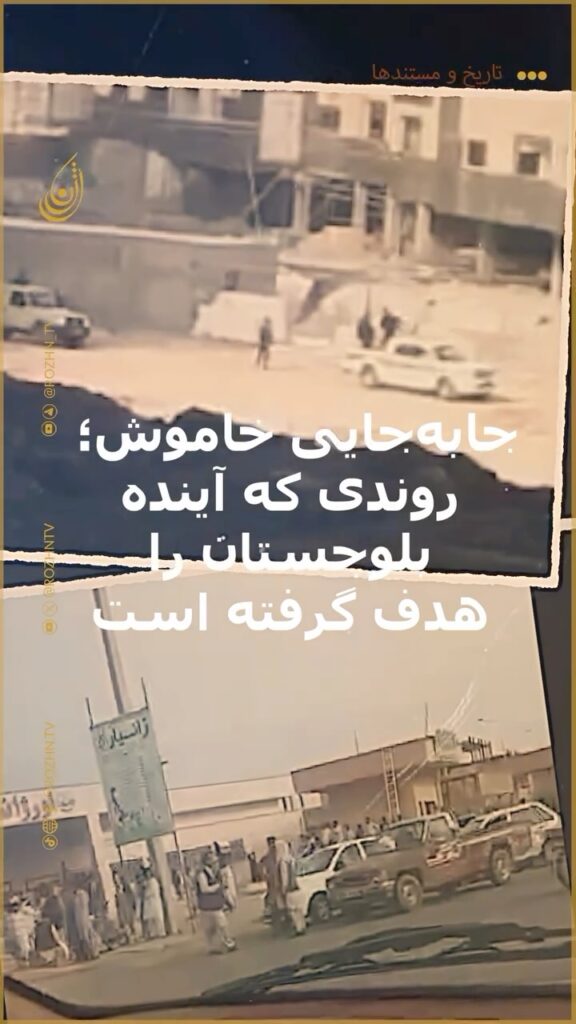
برای سالها سیاستهای اعمالشده در بلوچستان بیشتر بر محدودسازی اقتصادی، جابهجایی اجباری، و کاهش فرصتهای شغلی متمرکز بود؛ اما اکنون نشانهها حکایت از مرحلهای جدید دارند. بازداشت کارگران فاقد شناسنامه، فشارهای فزاینده بر ساکنان محلی، و افزایش موارد انتقال افراد از بلوچستان به استانهای دیگر یا بازداشت در خارج از سرزمین خود، همگی به یک الگوی قابلتشخیص اشاره میکنند.
این الگو در ادبیات حقوقی و اجتماعی با مفاهیمی همچون حاشیهنشینی سازمانیافته، دورسازی جمعیتی و فرسایش هویتی تعریف میشود. اگرچه نمیتوان بدون تحقیقات رسمی و مستقل درباره عمدی بودن یا نبودن این اقدامات حکم قطعی صادر کرد، اما ادامه چنین روندی میتواند به شکلگیری وضعیتی بینجامد که بسیاری از جامعهشناسان آن را یک «جابجایی غیررسمی و تدریجی جمعیت» مینامند؛ روندی که آثار آن مشابه انواع مدرن «انتقال جمعیتی» است اما در سکوت و با ابزارهای اداری، اقتصادی و امنیتی رخ میدهد.
این مسئله تنها یک روند اداری نیست؛ بلکه تغییر در ترکیب جمعیتی، کاهش حضور نیروی کار بلوچ در زادگاه خود، و کمرنگ شدن پیوند مردم با زمین و جغرافیای تاریخیشان را به همراه دارد. این تغییرات در درازمدت نهتنها بافت اجتماعی بلوچستان را تحت تأثیر قرار میدهد، بلکه میتواند منجر به آسیبهای فرهنگی، هویتی و اقتصادی شود.
در چنین شرایطی جامعه بلوچ با وجود همه فشارها همچنان بر هویت، زبان، فرهنگ و پیوند با سرزمین خود ایستاده است. این مقاومت آرام اما عمیق، یادآور صدها سال ایستادگی مردم بلوچستان در برابر فرسایش هویتی است. امروز همانگونه که نسلهای پیشین برای حفظ سرزمین و فرهنگ خود ایستادگی کردند، نسل کنونی نیز در برابر تغییرات تحمیلی و دورسازی از خانه و زادگاه خود، با آگاهی، تلاش جمعی و پیگیری حقوقی در حال دفاع از حقوق انسانی و اجتماعی خویش است.
پرسش اصلی امروز نهتنها درباره چرایی این روندها، بلکه درباره آینده بلوچستان و حق مردم برای ماندن در سرزمین خود است؛ حقی که در قوانین بینالمللی و اصول حقوق بشر به رسمیت شناخته شده است.
آینده بلوچستان به آگاهی، اتحاد و مقاومت فرهنگی مردمی وابسته است که نسلها در کنار هم برای حفظ هویت خود ایستادهاند — و همچنان خواهند ایستاد.
ENReports of Roundups and Detentions of Undocumented Workers in BalochistanRead in English
Rozhn TV | Friday, November 21, 2025
In recent years, field reports and testimony from local sources show that the pressure on the Baloch community has entered a new phase; one that has moved from “displacement” toward “distancing” and even “new forms of forced transfer.” This trend not only has wide-ranging human and social consequences but also raises serious questions about its purposefulness and nature.
For years, the policies applied in Balochistan focused mostly on economic restriction, forced displacement and the reduction of job opportunities; but the signs now point to a new phase. The detention of workers without identity documents, growing pressure on local residents, and the increasing number of cases of people being transferred from Balochistan to other provinces or detained outside their own land all point to a recognizable pattern.
In legal and social literature, this pattern is defined by concepts such as organized marginalization, demographic distancing and identity erosion. Although no definitive judgment can be made on whether these measures are deliberate without official and independent investigation, the continuation of such a trend could lead to a situation that many sociologists call an “informal and gradual displacement of population”; a process whose effects are similar to modern types of “population transfer” but which takes place in silence and through administrative, economic and security tools.
This issue is not merely an administrative process; it brings with it a change in demographic composition, a reduction in the presence of the Baloch workforce in their own homeland, and a weakening of the bond between the people and their land and historical geography. In the long run, these changes will not only affect Balochistan’s social fabric but could also lead to cultural, identity-related and economic harm.
Under these conditions, the Baloch community, despite all the pressures, continues to stand firm on its identity, language, culture and bond with its land. This quiet but deep resistance recalls hundreds of years of the Balochistan people’s resistance to identity erosion. Today, just as previous generations stood firm to preserve their land and culture, the current generation, in the face of imposed changes and distancing from home and homeland, is defending its human and social rights with awareness, collective effort and legal action.
The main question today concerns not only why these trends are happening but also the future of Balochistan and the people’s right to remain on their own land; a right recognized in international law and the principles of human rights.
The future of Balochistan depends on the awareness, unity and cultural resistance of a people who have stood side by side for generations to preserve their identity, and who will continue to do so.