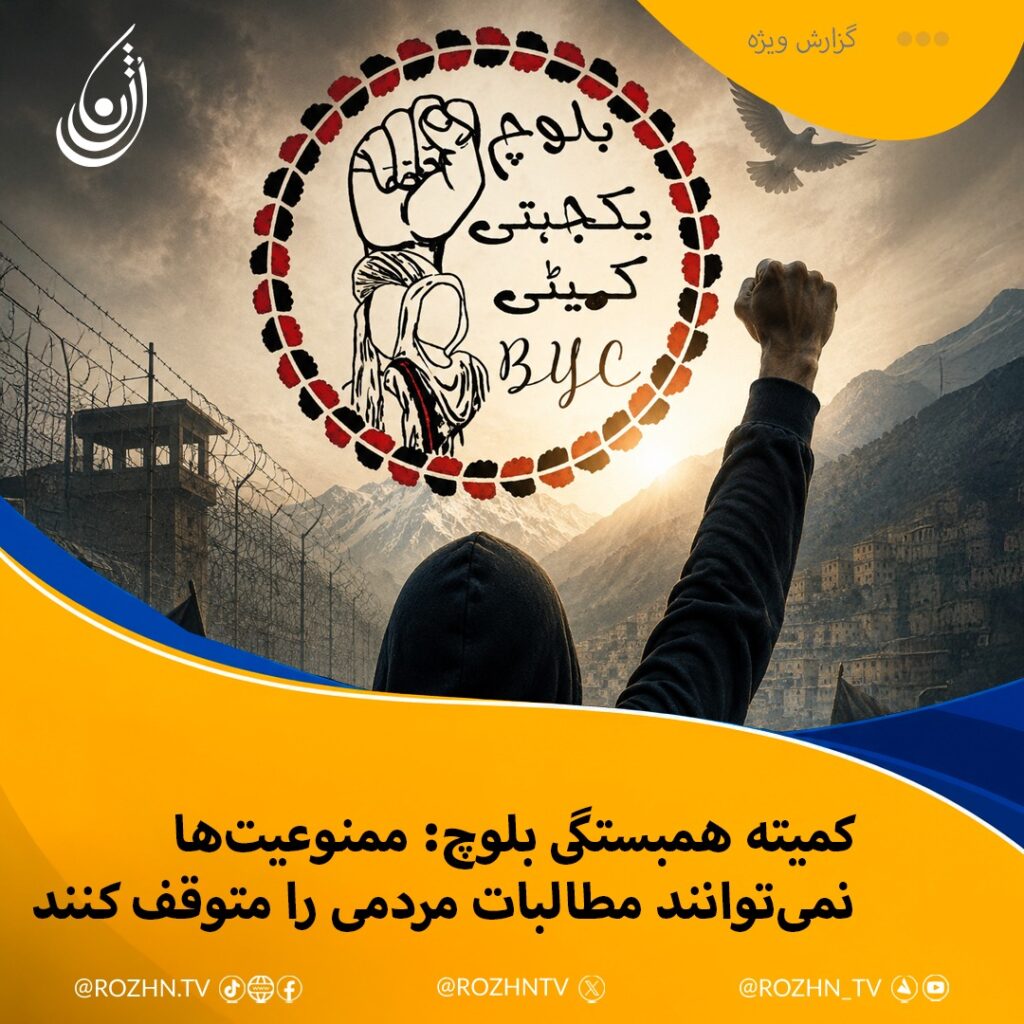
کمیته همبستگی بلوچ: ممنوعیتها نمیتوانند مطالبات مردمی را متوقف کنند
تلویزیون رُژن | یکشنبه ۱۷ خرداد ۱۴۰۵ / ۷ ژوئن ۲۰۲۶
کمیته همبستگی بلوچ در بیانیهای نسبت به تصمیم مقامهای پاکستان درباره ممنوعیت فعالیت «کمیته مشترک اقدام مردمی جامو و کشمیر» واکنش نشان داد و این اقدام را دارای پیامدهایی برای فعالیتهای سیاسی و مدنی دانست.
در این بیانیه آمده است که کمیته مشترک اقدام مردمی جامو و کشمیر یک تشکل سیاسی و مردمی بوده و ممنوعیت آن، از دید این کمیته، تنها متوجه یک سازمان نیست بلکه میتواند بر فضای فعالیت سیاسی و بیان دیدگاههای متفاوت در کشمیر نیز تأثیر بگذارد.
کمیته همبستگی بلوچ تأکید کرده است که ممنوعیت یک تشکل لزوماً به معنای پایان یافتن مطالبات و خواستههایی که آن تشکل نمایندگی میکند نیست و مسائل سیاسی و اجتماعی همچنان نیازمند راهکارهای سیاسی و گفتوگو هستند.
در ادامه بیانیه، به محدودیتهای پیشین علیه برخی دیگر از جنبشها و جریانهای سیاسی از جمله «جنبش حفاظت از پشتونها» اشاره شده و این اقدامات بخشی از روندی توصیف شدهاند که به گفته کمیته همبستگی بلوچ میتواند بر فضای مشارکت سیاسی و مدنی تأثیر بگذارد.
این کمیته همچنین از احزاب سیاسی، نهادهای مدنی، دانشجویان، کارگران و سایر گروههای اجتماعی خواسته است از حقوق مدنی، آزادی بیان و مشارکت سیاسی حمایت کنند.
کمیته همبستگی بلوچ در پایان بیانیه خود اعلام کرده است که محدودیتها و ممنوعیتها نمیتوانند مطالبات مربوط به عدالت، کرامت انسانی و حقوق مدنی را از میان ببرند و تأکید کرده است که این مطالبات همچنان از سوی بخشهایی از جامعه مطرح خواهند شد.
مقامهای پاکستانی این تصمیم را در چارچوب قوانین و ملاحظات امنیتی کشور ارزیابی کردهاند و دیدگاههای متفاوتی درباره این موضوع در فضای سیاسی پاکستان مطرح است.
ENBaloch Yakjehti Committee: Bans Cannot Stop Popular DemandsRead in English
Rozhn TV | Sunday, June 7, 2026
The Baloch Yakjehti Committee, in a statement, reacted to the Pakistani authorities’ decision to ban the activities of the “Jammu Kashmir Joint Awami Action Committee”, saying the move has consequences for political and civic activity.
The statement says the Jammu Kashmir Joint Awami Action Committee is a political and popular organization, and that, in the committee’s view, banning it targets not just one organization but could also affect the space for political activity and the expression of differing views in Kashmir.
The Baloch Yakjehti Committee stressed that banning an organization does not necessarily mean the end of the demands and aspirations that the organization represents, and that political and social issues continue to require political solutions and dialogue.
The statement went on to point to earlier restrictions on other movements and political currents, including the “Pashtun Tahafuz Movement”, describing these measures as part of a trend that, according to the Baloch Yakjehti Committee, could affect the space for political and civic participation.
The committee also called on political parties, civil institutions, students, workers and other social groups to support civil rights, freedom of expression and political participation.
In closing its statement, the Baloch Yakjehti Committee said restrictions and bans cannot eliminate demands for justice, human dignity and civil rights, and stressed that sections of society will continue to raise these demands.
Pakistani officials have assessed the decision as being within the framework of the country’s laws and security considerations, and differing views on the matter are being voiced in Pakistan’s political arena.