
بلوچستانگزارش بلند
کمبود خون در بلوچستان و پیامدهای انسانی آن
گزارش تلویزیون رُژن | سهشنبه ۱۱ آذر ۱۴۰۴ / ۲ دسامبر ۲۰۲۵
منابع پزشکی در بلوچستان از رسیدن ذخایر خونی استان به پایینترین سطح در سالهای اخیر خبر میدهند؛ وضعیتی که به گفته مسئولان مراکز انتقال خون، «بخشهای حیاتی درمانی را با اختلال جدی روبهرو کرده و جان بیماران را در معرض خطر قرار داده است».
کاهش اهدای خون و رسیدن ذخایر به وضعیت اضطراری
مراکز انتقال خون در شهرهای زاهدان، ایرانشهر، چابهار، سراوان و خاش گزارش دادهاند که کاهش مراجعان برای اهدای خون در هفتههای اخیر، ذخایر گروههای خونی مختلف را به سطح «بحرانی» رسانده است.
کارشناسان میگویند این وضعیت در مناطقی مانند بلوچستان که تعداد بیماران نیازمند خون بسیار بالاست، میتواند پیامدهای فوری و بزرگ داشته باشد.
فشار سنگین تالاسمی و تصادفات جادهای
بلوچستان و سیستان بالاترین نرخ بیماران تالاسمی ماژور در کشور را دارد؛ بیش از ۳۷۰۰ بیمار که هر فرد بزرگسال به طور متوسط سه واحد خون در ماه نیاز دارد.
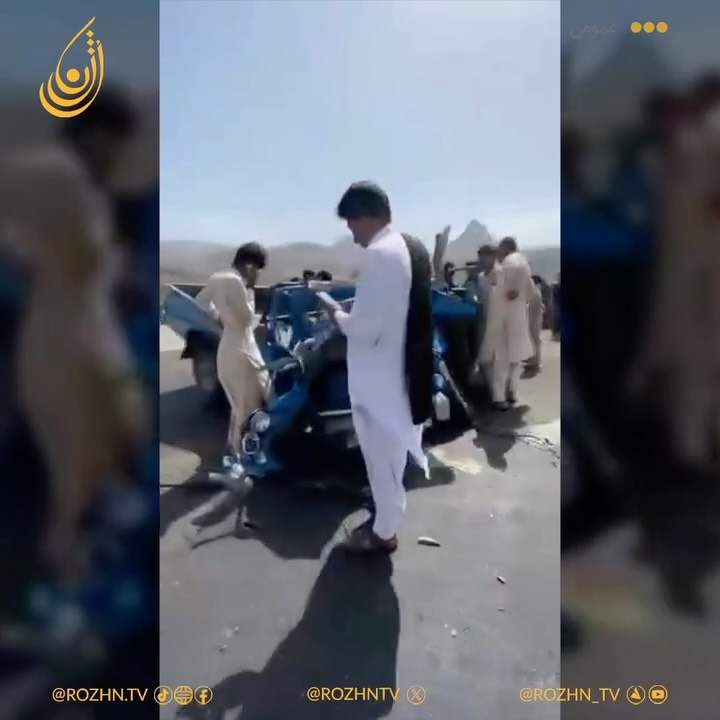
افزون بر آن، استان یکی از پرخطرترین جادههای کشور را دارد و شمار بالای مصدومان سانحهای نیز مصرف خون را افزایش داده است.
پزشکان هشدار میدهند که هماکنون بیماران تالاسمی در برخی شهرها روزهاست در انتظار تزریق خون هستند و تأخیر در تزریق میتواند «خطر جدی برای حیات بیماران» ایجاد کند.
درخواست فوری برای مشارکت مردم
مراکز درمانی از شهروندان خواستهاند با مراجعه فوری به پایگاههای انتقال خون در شهرهای محل سکونت خود، به تأمین ذخایر خونی کمک کنند.
یکی از مسئولان انتقال خون ایرانشهر به رُژن گفت:
«کمبود خون مستقیماً جان بیماران بلوچ و شهروندان استان را تهدید میکند. مشارکت مردم میتواند بسیاری از درمانها را از توقف نجات دهد.»
ENBlood Shortage in Balochistan and Its Human TollRead in English
Rozhn TV | Tuesday, December 2, 2025
Medical sources in Balochistan report that the province’s blood reserves have fallen to their lowest level in years; a situation which, according to officials at blood transfusion centers, “has seriously disrupted vital treatment units and put patients’ lives at risk.”
Decline in Blood Donations and Reserves Reaching Emergency Levels
Blood transfusion centers in the cities of Zahedan, Iranshahr, Chabahar, Saravan and Khash have reported that a drop in the number of people coming in to donate blood in recent weeks has brought the reserves of various blood groups to a “critical” level.
Experts say that in areas such as Balochistan, where the number of patients needing blood is very high, this situation can have immediate and major consequences.
Heavy Burden of Thalassemia and Road Accidents
Balochistan and Sistan have the highest rate of thalassemia major patients in the country; more than 3,700 patients, with each adult patient needing on average three units of blood per month.
In addition, the province has one of the most dangerous roads in the country, and the high number of accident casualties has also increased blood consumption.
Doctors warn that thalassemia patients in some cities have already been waiting days for transfusions, and that delays in transfusion can create a “serious risk to patients’ lives.”
Urgent Call for Public Participation
Medical centers have asked citizens to go promptly to blood transfusion bases in their cities of residence and help build up blood reserves.
One of the blood transfusion officials in Iranshahr told Rozhn:
“The blood shortage directly threatens the lives of Baloch patients and the province’s citizens. Public participation can save many treatments from being halted.”



