کشته شدن دو دانشمند هستهای ایران در جریان حملات هوایی بامدادی به تهران
جمعه ۲۳ خرداد ۱۴۰۴ / ۱۳ ژوئن ۲۰۲۵ – تهران
منابع رسمی در ایران اعلام کردند که در پی حملات هوایی بامداد روز جمعه به چند نقطه از تهران، دو چهره علمی برجسته کشور در حوزه علوم هستهای و آموزش عالی کشته شدهاند.
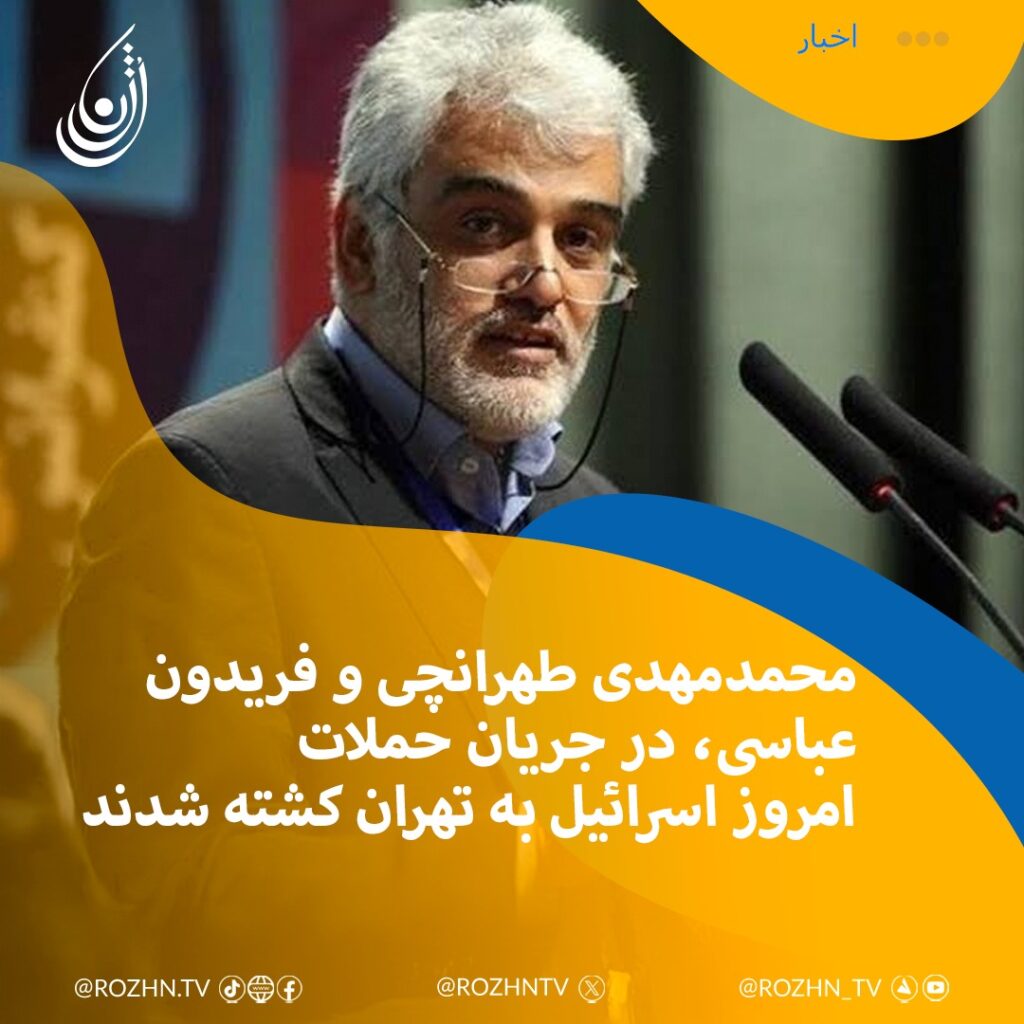
بر پایه اطلاعات اولیه، محمدمهدی طهرانچی، رئیس پیشین دانشگاه آزاد اسلامی و فریدون عباسی دوانی، رئیس سابق سازمان انرژی اتمی ایران و عضو کمیسیون امنیت ملی مجلس، در جریان این حمله جان خود را از دست دادهاند.
گزارشها حاکیست که این افراد در یکی از مراکز مورد هدف، احتمالاً مرتبط با پروژههای علمی-نظامی، حضور داشتهاند. هنوز مقامات رسمی در تهران جزئیات بیشتری درباره اهداف حمله، شمار دقیق تلفات یا نوع تسلیحات بهکار رفته منتشر نکردهاند.
در همین حال، رسانههای عبریزبان از قول منابع امنیتی اسرائیل، این حملات را به تلآویو نسبت دادهاند، هرچند دولت اسرائیل تاکنون واکنش رسمی در اینباره نداشته است.
برخی منابع مطلع احتمال دادهاند که حملات با استفاده از موشکهای نقطهزن یا پهپادهای انتحاری انجام شده باشد. شبکههای خبری منطقهای گزارش دادهاند که صدای چند انفجار مهیب در حوالی شرق تهران بهگوش رسیده و تدابیر امنیتی در پایتخت بهطور محسوسی افزایش یافته است.
تحلیلگران معتقدند که کشته شدن این دو چهره علمی میتواند تبعات گستردهای برای ساختار علمی و امنیتی ایران داشته باشد، بهویژه با توجه به سوابق فریدون عباسی در پروژههای حساس هستهای.
ENTwo Iranian Nuclear Scientists Killed in Early-Morning Air Strikes on TehranRead in English
Friday, June 13, 2025 – Tehran
Official sources in Iran announced that, following the early-morning air strikes on several points in Tehran on Friday, two prominent scientific figures of the country in the fields of nuclear science and higher education were killed.
According to preliminary information, Mohammad Mehdi Tehranchi, former president of Islamic Azad University, and Fereydoun Abbasi Davani, former head of the Atomic Energy Organization of Iran and a member of Parliament’s National Security Committee, lost their lives in the attack.
Reports indicate that these individuals were present at one of the targeted sites, possibly linked to scientific-military projects. Official authorities in Tehran have not yet released further details about the targets of the attack, the exact number of casualties, or the type of weapons used.
Meanwhile, Hebrew-language media, citing Israeli security sources, have attributed the attacks to Tel Aviv, although the Israeli government has so far made no official reaction.
Some informed sources have suggested that the attacks may have been carried out using precision-guided missiles or suicide drones. Regional news networks have reported that the sound of several powerful explosions was heard around eastern Tehran and that security measures in the capital have visibly increased.
Analysts believe the killing of these two scientific figures could have wide-ranging consequences for Iran’s scientific and security structure, particularly given Fereydoun Abbasi’s record in sensitive nuclear projects.