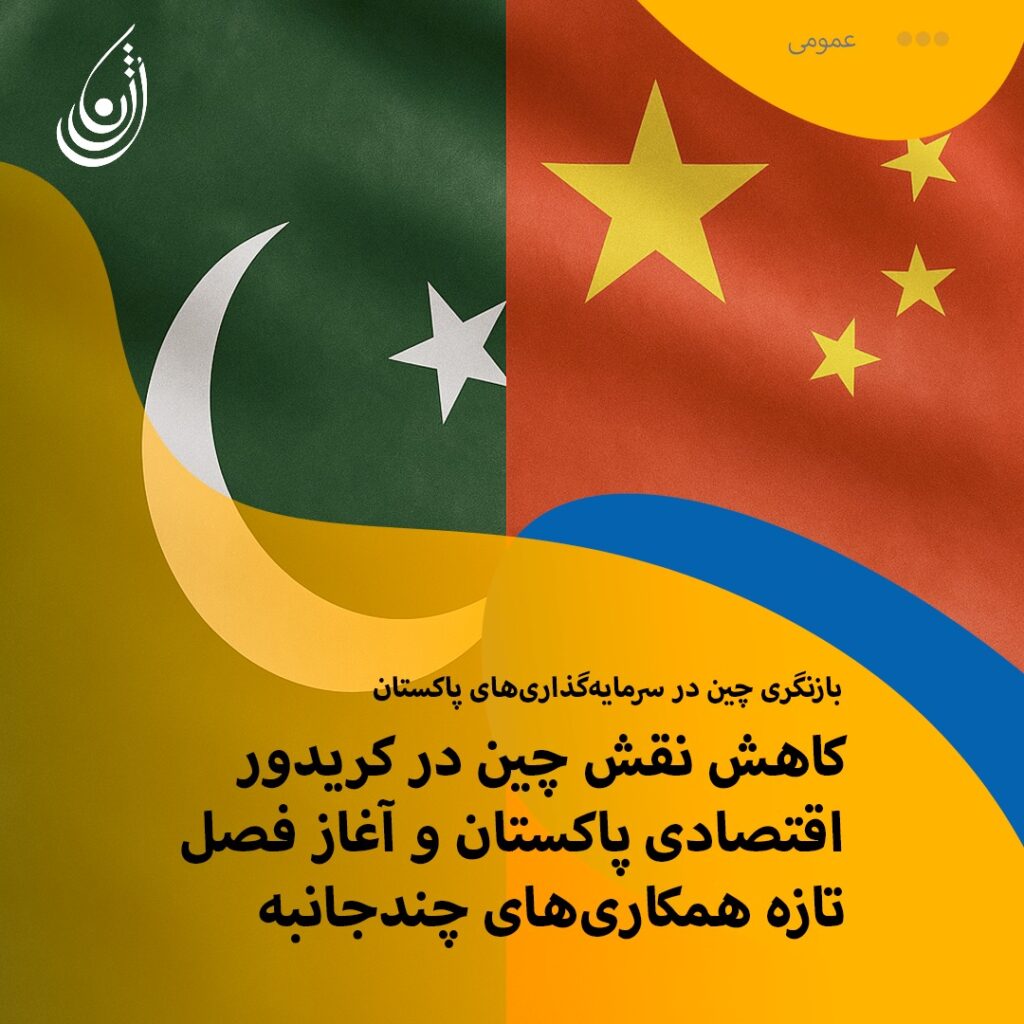
کاهش نقش چین در کریدور اقتصادی پاکستان و آغاز فصل تازه همکاریهای چندجانبه
تلویزیون رُژن | دوشنبه ۱۷ شهریور ۱۴۰۴ خورشیدی / ۸ سپتامبر ۲۰۲۵ میلادی
تحولی بزرگ در بزرگترین پروژه ابتکار کمربند و جاده پاکستان روی داده است پروژه ارتقای خط آهن امال۱ دیگر با تأمین مالی چین پیش نخواهد رفت بلکه این بار بانک توسعه آسیایی مسئولیت اصلی سرمایهگذاری را بر عهده گرفته است
این تغییر در حالی رخ میدهد که چین به دلیل تهدیدهای امنیتی فزاینده و بدهیهای پرداخت نشده پاکستان در بخش انرژی به ارزش یک و نیم میلیارد دلار از تعهدات پیشین عقبنشینی کرده است
بر پایه گزارشها بانک توسعه آسیایی با پرداخت دو میلیارد دلار برای بخش کراچی تا روهری موافقت کرده و این اقدام انحصار طولانیمدت چین در تأمین مالی پروژههای کریدور اقتصادی چین و پاکستان را شکسته است هزینه کل پروژه نیز پس از بازنگری به شش میلیارد و هفتصد میلیون دلار کاهش یافته است
کارشناسان این تحول را نشانهای آشکار از بازنگری در روابط پکن و اسلامآباد میدانند زیرا برخلاف توافقهای پیشین با چین این بار تأمین مالی با حضور بانک توسعه آسیایی شامل مناقصههای رقابتی و فرایندهای شفاف خواهد بود تغییری که میتواند سرآغاز دورانی تازه با مشارکت نهادهای چندجانبه در طرحهای زیربنایی پاکستان باشد
ENChina’s Role in Pakistan’s Economic Corridor Shrinks as New Chapter of Multilateral Cooperation BeginsRead in English
Rozhn TV | Monday, September 8, 2025
A major shift has occurred in Pakistan’s largest Belt and Road Initiative project. The ML-1 railway upgrade project will no longer proceed with Chinese financing; instead, the Asian Development Bank has this time taken on the main responsibility for the investment.
The change comes as China has pulled back from earlier commitments because of growing security threats and Pakistan’s unpaid energy-sector debts worth 1.5 billion dollars.
According to reports, the Asian Development Bank has agreed to pay 2 billion dollars for the Karachi–Rohri section, an action that has broken China’s long-standing monopoly on financing China–Pakistan Economic Corridor projects. The total cost of the project has also been reduced to 6.7 billion dollars after revision.
Experts see this development as a clear sign of a reassessment in relations between Beijing and Islamabad, because, unlike earlier agreements with China, financing with the Asian Development Bank’s involvement will this time include competitive bidding and transparent processes, a change that could mark the start of a new era of multilateral institutions’ participation in Pakistan’s infrastructure projects.