چرا پروژه ایرانشهر متوقف مانده وقتی هلند پروژه مشابه را در دو روز تکمیل کرد
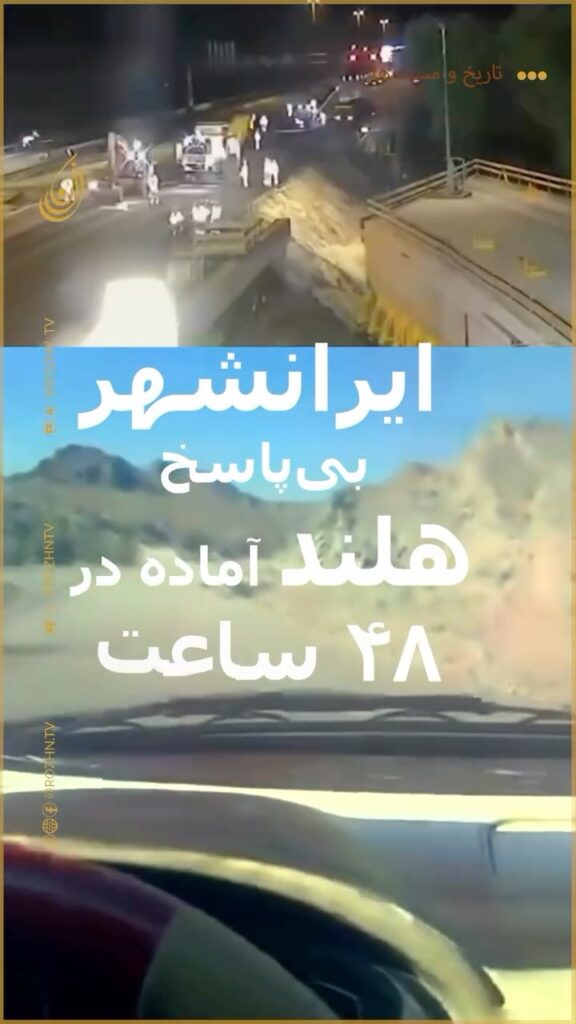
با گذشت بیش از یک و نیم سال از تخریب پل ارتباطی مهرستان به ایرانشهر بر اثر بارندگی و سیلاب این مسیر همچنان بازسازی نشده و رفت و آمد هزاران نفر با اختلال جدی روبهرو است منابع محلی میگویند پیمانکار محل پروژه را ترک کرده و با وجود پیگیریهای مداوم هیچ اقدام مشخصی از سوی مسئولان انجام نشده و در زمان بارندگی ساکنان برای روزها در مسیرهای بسته گرفتار میمانند
در مقایسه با این وضعیت پروژههای مشابه در کشورهای دیگر با برنامهریزی متفاوت اجرا میشود نمونه روشن آن در هلند است جایی که با وجود عبور هزاران خودرو از هر دو سمت مسیر مهندسان تنها طی یک آخر هفته یک زیرگذر بزرگراه را با تونل هفتاد متری جایگزین کردند تونلی که از پیش ساخته شده بود و با دقت در محل نصب شد و مسیر سه بانده بدون ایجاد اختلال جدی دوباره در اختیار مردم قرار گرفت
کارشناسان میگویند استفاده از سازههای پیش ساخته مدیریت زمان محور و حضور مستمر تیمهای اجرایی از عوامل اصلی کاهش اختلال و تسریع پروژههای زیرساختی است مقایسه این دو تجربه نشان میدهد امکان بازسازی سریع و کم اختلال وجود دارد و مردم مهرستان و ایرانشهر نیز همچنان خواستار آغاز فوری عملیات بازسازی هستند
ENWhy Is the Iranshahr Project Stalled When the Netherlands Completed a Similar Project in Two Days?Read in English
More than a year and a half after the Mehrestan–Iranshahr connecting bridge was destroyed by rain and flooding, the route has still not been rebuilt, and the travel of thousands of people is seriously disrupted. Local sources say the contractor has left the project site and that, despite continuous follow-ups, officials have taken no specific action, and when it rains, residents are stranded for days on closed roads.
In comparison, similar projects in other countries are carried out with different planning. A clear example is the Netherlands, where, even with thousands of vehicles passing in both directions, engineers replaced a highway underpass with a 70-meter tunnel in a single weekend. The tunnel had been prefabricated and was installed precisely in place, and the three-lane road was returned to the public without serious disruption.
Experts say that the use of prefabricated structures, time-based management and the continuous presence of work teams are the main factors in reducing disruption and speeding up infrastructure projects. Comparing these two experiences shows that fast, low-disruption reconstruction is possible, and the people of Mehrestan and Iranshahr are still demanding that reconstruction work begin immediately.