چرا از لغو معافیتهای تحریمی چابهار توسط آمریکا باید استقبال کرد

تلویزیون روژن | جمعه ۲۸ شهریور ۱۴۰۴ خورشیدی / ۱۹ سپتامبر ۲۰۲۵ میلادی
عبدالستار دوشوکی (مرکز مطالعات بلوچستان – لندن)
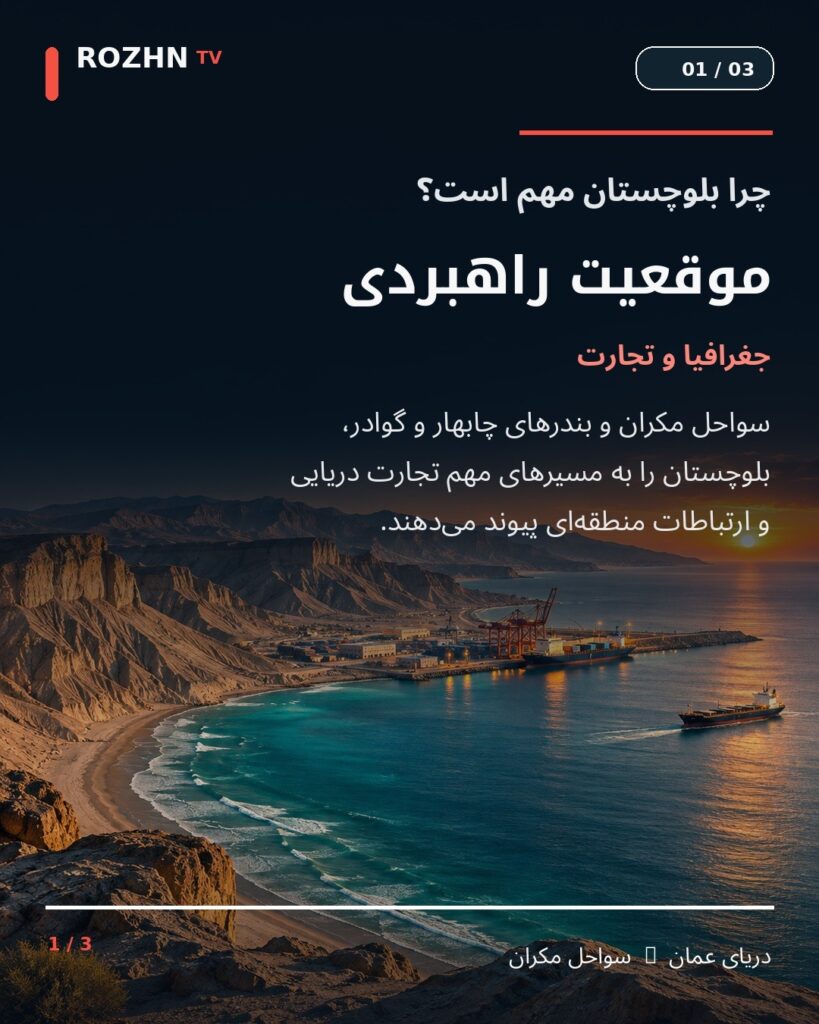
ایالات متحده آمریکا سرانجام با لغو معافیتهای تحریمی بندر چابهار موافقت کرد. این تصمیم تاریخی طبق اعلام رسمی تا ده روز دیگر یعنی ۲۹ سپتامبر ۲۰۲۵ برابر با دوشنبه ۷ مهر ۱۴۰۴ اجرایی خواهد شد. من و دیگر فعالان سیاسی بلوچ سالها خواستار لغو این معافیت بودهایم؛ زیرا به باور ما این پروژه برای مردم بومی بلوچ جز پیامدهایی چون محرومیت، خطر، آسیب، گرانی، فقر، حاشیهنشینی، تبعیض، ناامنی و بیعدالتی دستاورد دیگری نداشته است.
بر پایه گزارشها، بیش از ۶۵ درصد جمعیت فقیر چابهار در حاشیه شهر زندگی میکنند و در آلونکهای پلاستیکی و کپرهای فرسوده بدون امکانات آب، برق و بهداشت به سر میبرند. به گفته ساکنان محلی، گاهوبیگاه این کپرها توسط مأموران شهری تخریب میشود و دارایی ناچیز آنان از بین میرود. چابهاری که به عنوان «نگین توسعه شرق کشور» و «دروازه طلایی اقیانوس» معرفی شده است، در عمل برای بخش بزرگی از مردم محلی چنین جایگاهی نداشته است. همانگونه که در مثل قدیمی آمده است: «از طلا گشتن پشیمان گشتهایم، مرحمت فرموده ما را مس کنید».
به عنوان فردی چابهاری و نسل اندر نسل زاده این شهر میگویم که این خبر برای من و بسیاری دیگر بسیار امیدوارکننده است و میتواند نقطه آغازی برای بازنگری در سیاستهای توسعهای و در نهایت به سود مردم چابهار و بلوچستان باشد.
ENWhy the US Revocation of Chabahar Sanctions Waivers Should Be WelcomedRead in English
Rozhn TV | Friday, September 19, 2025
Abdul Sattar Doshouki (Balochistan Studies Center, London)
The United States has finally agreed to revoke the sanctions waivers for Chabahar port. According to the official announcement, this historic decision will take effect in ten days, on Monday, September 29, 2025. I and other Baloch political activists have demanded the revocation of this waiver for years, because we believe this project has brought the indigenous Baloch people nothing but deprivation, danger, harm, high prices, poverty, marginalization, discrimination, insecurity and injustice.
According to reports, more than 65 percent of Chabahar’s poor population live on the outskirts of the city, in plastic shacks and dilapidated huts without water, electricity or sanitation. According to local residents, municipal officers occasionally demolish these huts and the residents’ meager belongings are destroyed. Chabahar, which has been presented as the “jewel of the country’s eastern development” and the “golden gateway to the ocean,” has in practice not held that status for a large part of the local population. As the old saying goes: “We have grown sorry for turning to gold; be kind and make us copper.”
As a Chabahari born in this city, generation after generation, I say that this news is very encouraging for me and for many others, and it could be a starting point for a reconsideration of development policies and, ultimately, for the benefit of the people of Chabahar and Balochistan.