چابهار در مسیر سرمایهگذاریهای منطقهای؛ سهم مردم محلی بلوچستان از توسعه بندر چیست؟
اظهارات تازه درباره اختصاص بیش از ۱۱۰ هکتار از اراضی چابهار برای فعالیتهای اقتصادی و ترانزیتی افغانستان، بار دیگر موضوع نحوه توسعه این بندر و سهم مردم محلی…
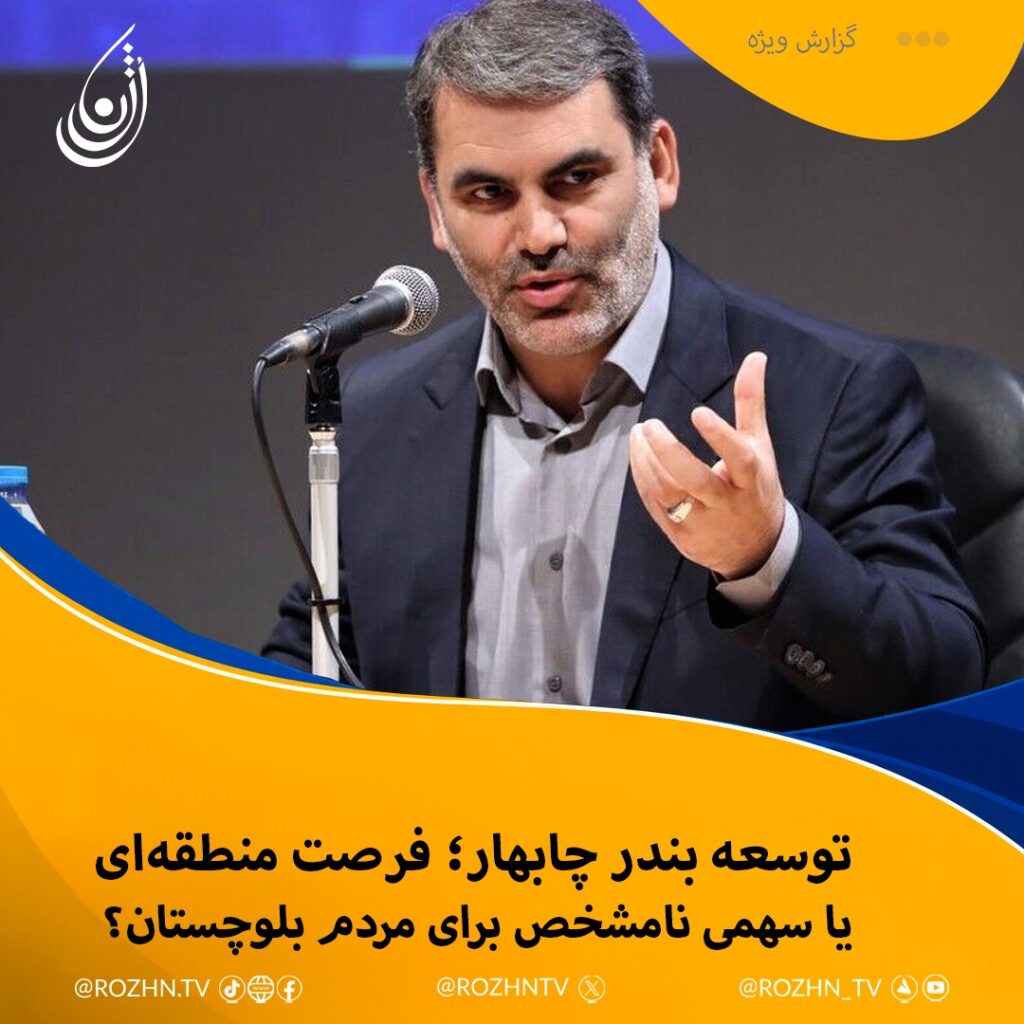
تلویزیون رُژن | پنجشنبه ۱۶ مهرماه ۱۴۰۵ | ۸ اکتبر ۲۰۲۶
اظهارات تازه درباره اختصاص بیش از ۱۱۰ هکتار از اراضی چابهار برای فعالیتهای اقتصادی و ترانزیتی افغانستان، بار دیگر موضوع نحوه توسعه این بندر و سهم مردم محلی بلوچستان از پروژههای بزرگ اقتصادی منطقه را مطرح کرده است
محسن زنگنه، رئیس کمیسیون ویژه حمایت از تولید مجلس ایران، گفته است حدود ۱۰ هکتار زمین در محدوده ساحلی و بیش از ۱۰۰ هکتار در منطقه اقتصادی چابهار برای فعالیتهای مرتبط با تجارت و ترانزیت افغانستان در نظر گرفته شده است. با این حال، جزئیات حقوقی این توافق، از جمله نوع مالکیت یا حق بهرهبرداری، مدت زمان آن و میزان اختیار طرف افغانستانی بر این اراضی، هنوز بهطور شفاف منتشر نشده است
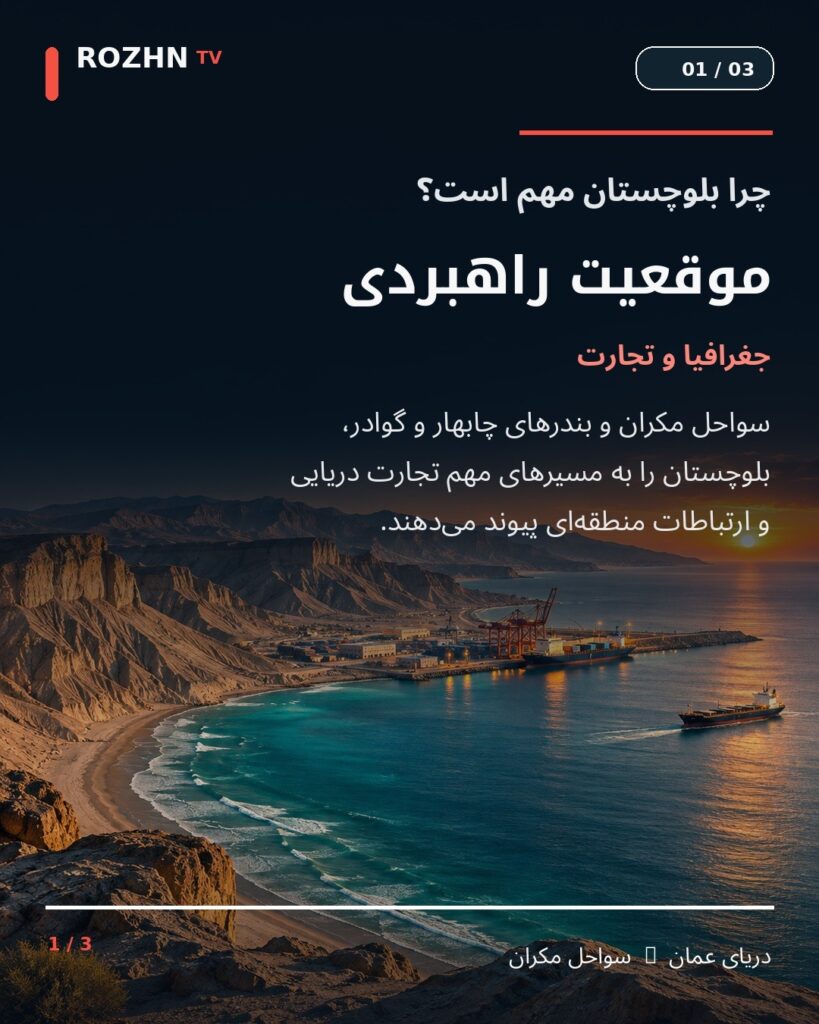
چابهار سالهاست در مرکز طرحهای بزرگ منطقهای قرار دارد. در سال ۲۰۱۶، ایران، هند و افغانستان توافقنامه ایجاد کریدور بینالمللی حملونقل و ترانزیت چابهار را امضا کردند تا افغانستان از طریق این بندر به آبهای آزاد و مسیرهای تجاری دسترسی داشته باشد
هند از مهمترین بازیگران خارجی در توسعه بندر چابهار بوده است. شرکت ایندیا پورتس گلوبال لیمیتد از دسامبر ۲۰۱۸ فعالیت در بخشهایی از بندر شهید بهشتی را آغاز کرد و در ماه مه ۲۰۲۴ نیز قرارداد بلندمدت تازهای برای تجهیز و بهرهبرداری از این بخش از بندر امضا شد
کشورهای آسیای مرکزی از جمله قزاقستان، ازبکستان، ترکمنستان، تاجیکستان و قرقیزستان نیز در گفتوگوهای مربوط به استفاده از ظرفیت ترانزیتی چابهار حضور داشتهاند و هند و این کشورها یک کارگروه مشترک درباره استفاده از بندر تشکیل دادهاند. همچنین چابهار در گفتوگوهای مربوط به کریدور شمال جنوب و ارتباط تجاری با روسیه مطرح بوده است. این موارد عمدتاً به ترانزیت و اتصال تجاری مربوط میشوند و نباید با واگذاری زمین یا مالکیت بندر یکسان تلقی شوند
در سالهای گذشته همچنین از احتمال حضور سرمایهگذاران و شرکتهای چینی در توسعه چابهار سخن گفته شده و مقامهای بندری ایران از چنین مشارکتی استقبال کردهاند. با این حال، در منابع بررسیشده، نقش عملیاتی مستقیم چین در بندر چابهار به شکلی مشابه حضور هند، بهطور روشن مستند نشده است
در کنار این پروژههای بزرگ، اسناد نهادهای بینالمللی نشان میدهد که مشکلات اساسی جوامع محلی همچنان ادامه دارد. برنامه توسعه سازمان ملل متحد در سال ۲۰۲۵ از تنش شدید آبی در سیستان و بلوچستان، محدودیت دسترسی به آب سالم و تأثیر آن بر معیشت مردم خبر داده و پروژهای برای تأمین آب و تقویت معیشت حدود ۵۰ هزار نفر در پنج روستای منطقه چابهار اجرا کرده است
یونیسف نیز در گزارشهای خود از مشکلات اقتصادی خانوارها و کمبود دسترسی به آب سالم، مدارس و خدمات درمانی در جوامع آسیبپذیر منطقه سخن گفته است. حتی در سال ۲۰۲۶، برنامههایی برای بازسازی تأسیسات آب و بهداشت مدارس سیستان و بلوچستان ادامه داشته و یونیسف اعلام کرده است که بسیاری از مدارس و جوامع همچنان به حمایت بیشتری نیاز دارند
این اطلاعات بهتنهایی نشان نمیدهد که سرمایهگذاری خارجی عامل مشکلات موجود در بلوچستان بوده است، اما یک پرسش مهم را مطرح میکند: در کنار سرمایهگذاریهای کلان، پروژههای ترانزیتی و حضور بازیگران منطقهای، سهم مردم محلی از اشتغال، آموزش، آب، درمان، زیرساخت و درآمد حاصل از توسعه چابهار چیست؟
همچنین روشن شدن نحوه اختصاص زمین، تأثیر پروژهها بر ساکنان محلی، فرصتهای شغلی ایجادشده برای جوانان منطقه و میزان مشارکت مردم بلوچستان در تصمیمگیریهای مرتبط با توسعه سواحل، میتواند به شفافیت بیشتر کمک کند
طرح این پرسشها به معنای مخالفت با مردم افغانستان یا همکاری اقتصادی و تجاری با کشورهای همسایه نیست. همکاری منطقهای میتواند برای همه طرفها فرصت ایجاد کند، اما همزمان این پرسش نیز مطرح است که مردم محلی بلوچستان تا چه اندازه از توسعهای که در محل زندگی و پیرامون آن انجام میشود، بهرهمند میشوند
ENChabahar on the Path of Regional Investment; What Share of the Port’s Development Goes to Balochistan’s Local People?Read in English
Rozhn TV | Thursday, October 8, 2026
New statements about the allocation of more than 110 hectares of land in Chabahar for Afghanistan’s economic and transit activities have once again raised the question of how the port is being developed and what share of the region’s major economic projects goes to the local people of Balochistan.
Mohsen Zangeneh, chairman of the Iranian parliament’s Special Commission for Supporting Production, has said that about 10 hectares of land in the coastal zone and more than 100 hectares in the Chabahar economic zone have been set aside for activities related to Afghanistan’s trade and transit. However, the legal details of this agreement, including the type of ownership or right of use, its duration and the extent of the Afghan side’s authority over this land, have still not been transparently published.
Chabahar has for years been at the center of major regional plans. In 2016, Iran, India and Afghanistan signed an agreement to establish the Chabahar international transport and transit corridor, so that Afghanistan could gain access through this port to open waters and trade routes.
India has been one of the most important foreign players in the development of Chabahar port. India Ports Global Limited began operating parts of the Shahid Beheshti port in December 2018, and in May 2024 a new long-term contract was signed for equipping and operating this section of the port.
Central Asian countries, including Kazakhstan, Uzbekistan, Turkmenistan, Tajikistan and Kyrgyzstan, have also taken part in talks on using Chabahar’s transit capacity, and India and these countries have formed a joint working group on the use of the port. Chabahar has also featured in talks on the North-South corridor and on trade links with Russia. These matters relate mainly to transit and trade connectivity and should not be equated with a transfer of land or ownership of the port.
In past years, the possible presence of Chinese investors and companies in Chabahar’s development has also been discussed, and Iranian port officials have welcomed such participation. However, in the sources reviewed, a direct operational role for China in Chabahar port comparable to India’s presence has not been clearly documented.
Alongside these large projects, documents from international bodies show that the fundamental problems of local communities persist. In 2025, the United Nations Development Programme reported severe water stress in Sistan and Baluchestan, limited access to safe water and its impact on people’s livelihoods, and carried out a project to supply water and strengthen livelihoods for about 50,000 people in five villages in the Chabahar area.
UNICEF, too, in its reports has spoken of the economic difficulties of households and of the lack of access to safe water, schools and health services in vulnerable communities in the region. Even in 2026, programs to rebuild water and sanitation facilities in schools in Sistan and Baluchestan have continued, and UNICEF has said that many schools and communities still need more support.
This information on its own does not show that foreign investment has been the cause of the existing problems in Balochistan, but it raises an important question: alongside massive investments, transit projects and the presence of regional players, what share of the employment, education, water, health care, infrastructure and income generated by Chabahar’s development goes to the local people?
Clarifying how land is allocated, the impact of the projects on local residents, the job opportunities created for the region’s young people and the degree to which the people of Balochistan take part in decisions related to developing the coast could also contribute to greater transparency.
Raising these questions does not mean opposing the people of Afghanistan or economic and trade cooperation with neighboring countries. Regional cooperation can create opportunities for all sides, but at the same time the question also arises of how far the local people of Balochistan benefit from development carried out where they live and around it.