وقتی جادههای جنایت ارتقا نام میگیرند
تلویزیون رُژن | امروز پنجشنبه ۵ تیر ۱۴۰۴ خورشیدی، برابر با ۲۶ ژوئن ۲۰۲۵ میلادی است
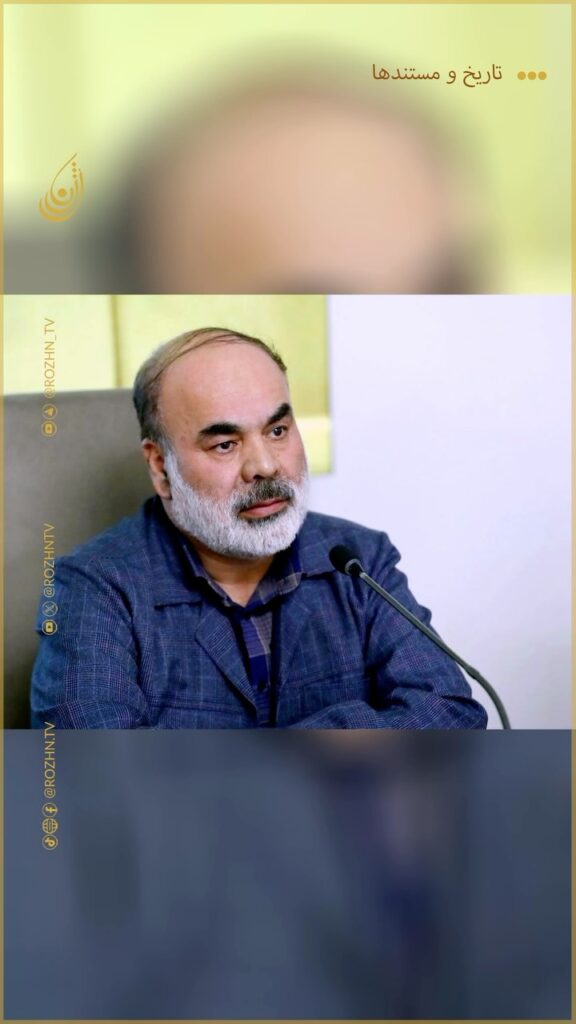
محمد کرمی، چهرهای که نامش با خون، جنایت و سرکوب در حافظهی مردم بلوچستان حک شده، بار دیگر به دست علی خامنهای ارتقا یافت؛ نه بهسبب لیاقت، بلکه بهدلیل درندگی و وفاداریاش به نظام سرکوب. این سردار خونریز سپاه پاسداران که در جایگاه استاندار سیستان و بلوچستان، جمعههای خونین زاهدان و خاش را به کشتارگاه مردمان مظلوم بلوچ تبدیل کرد، حال به فرماندهی نیروی زمینی سپاه منصوب شده است؛ تا در صورت شعلهور شدن خیزشهای سراسری، باز هم تبر جنایت را در دست گیرد و بر پیکر عدالت فرود آورد.
کرمی در دوران مسئولیت خود، بیوقفه و بیرحم، دست به سرکوب زد؛ نه تنها به صدای معترضین گوش نسپرد، بلکه با خشونت کور، کودکان، پیران و جوانان بیدفاع را به گلوله بست. او نه خادم مردم، که خادم ولیفقیه بود؛ و پاداش جنایتهایش را در سلسلهمراتب نظامی گرفت، همچون جلادی که به ازای هر قطرهی خون، مدالی از جنایت بر سینه آویزد.
در نظام جمهوری اسلامی، جایگاهها نه بر پایهی شایستگی که بر اساس توان سرکوب، قساوت و جنایت تقسیم میشود. هر که بیشتر بکشد، بالاتر میرود؛ هر که بیرحمتر باشد، محبوبتر میشود. و محمد کرمی، نماد همین معادلهی معکوس است؛ چهرهای که در ذهن مردم بلوچستان با کشتار، تجاوز و خون آمیخته است، و هیچ مادری، هیچ بازماندهای، این نام را از یاد نخواهد برد.
شاید تنها مرهمی که بتواند اندکی از زخمهای عمیق بازماندگان جمعههای خونین را التیام بخشد، مرگ همین مزدور خونخوار باشد. مرگی که نه از جنس انتقام، بلکه تجسمی از عدالت تاریخی است؛ عدالتی که سالهاست از این سرزمین گریخته، اما در دلهای سوگوار، هنوز زنده است.
ENWhen Roads of Crime Are Called PromotionRead in English
Rozhn TV | Thursday, June 26, 2025
Mohammad Karami, a figure whose name is etched in the memory of the people of Balochistan with blood, crime and repression, has once again been promoted by Ali Khamenei, not for merit but for his savagery and loyalty to the apparatus of repression. This bloodthirsty IRGC commander, who as governor of Sistan and Baluchestan turned the Bloody Fridays of Zahedan and Khash into slaughterhouses for oppressed Baloch people, has now been appointed commander of the IRGC Ground Force, so that, should nationwide uprisings flare up, he can once again take up the axe of crime and bring it down on the body of justice.
During his time in office, Karami cracked down relentlessly and ruthlessly. Not only did he ignore the voices of protesters, but with blind violence he shot at defenseless children, the elderly and young people. He was not a servant of the people but a servant of the Supreme Leader, and he received the reward for his crimes in the military hierarchy, like an executioner who pins a medal of crime to his chest for every drop of blood.
In the Islamic Republic system, positions are distributed not on merit but on the capacity for repression, cruelty and crime. The more one kills, the higher one rises; the more ruthless one is, the more favored one becomes. And Mohammad Karami is the symbol of this inverted equation, a figure who in the minds of the people of Balochistan is mingled with killing, rape and blood, and no mother, no survivor, will ever forget this name.
Perhaps the only balm that could soothe, even slightly, the deep wounds of the survivors of the Bloody Fridays would be the death of this bloodthirsty mercenary. A death that is not a matter of revenge but the embodiment of historical justice, a justice that has fled this land for years but is still alive in grieving hearts.