وضعیت خدمات درمانی در مناطق بلوچنشین ایران زیر ذرهبین
گزارش تلویزیون رُژن | شنبه ۲۲ آذر ۱۴۰۴ / ۱۳ دسامبر ۲۰۲۵
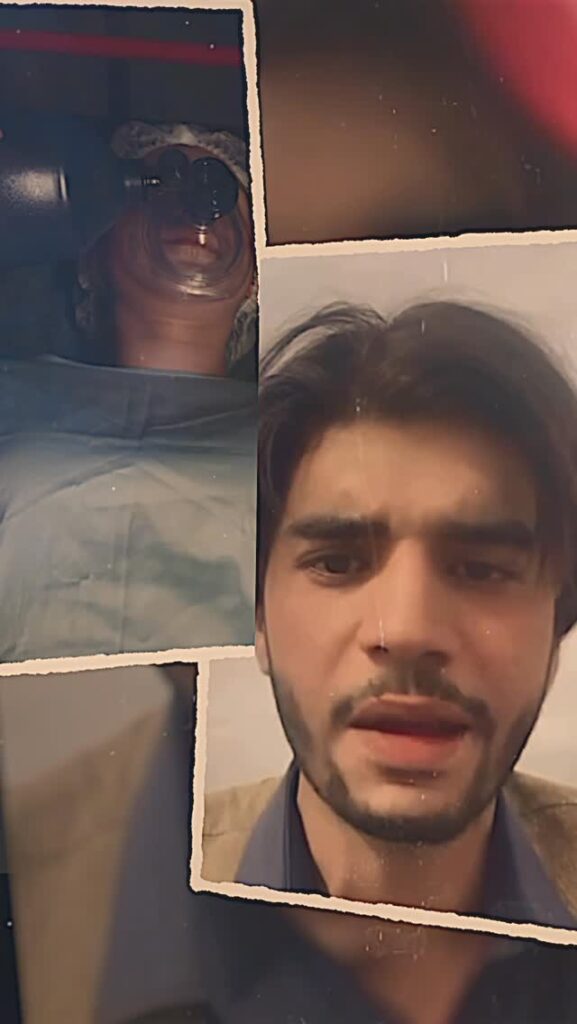
در ماههای اخیر گزارشهای متعدد مردمی و مشاهدات میدانی از شهرها و مناطق محروم استان سیستان و بلوچستان حاکی از تداوم چالشهای جدی در دسترسی به خدمات درمانی ایمن و استاندارد است
کمبود پزشک متخصص فرسودگی تجهیزات پزشکی تأخیر در رسیدگی درمانی و ضعف نظارت مؤثر بر مراکز درمانی از جمله مسائلی است که شهروندان در شهرهایی چون زاهدان ایرانشهر چابهار سراوان و مناطق روستایی پیرامونی با آن روبهرو هستند
بر اساس وظایف قانونی معاونتهای درمان دانشگاههای علوم پزشکی این نهادها مسئول نظارت بر کیفیت خدمات بیمارستانی و درمانی هستند با این حال گزارشها نشان میدهد نظارتها در برخی مناطق محروم بیشتر جنبه اداری داشته و به بهبود ملموس خدمات منجر نشده است
در ماههای گذشته خانوادههایی در سیستان و بلوچستان از تأخیر در تشخیص کمبود امکانات اورژانسی و نبود دسترسی به پزشک متخصص در زمان مناسب گلایه کردهاند مسائلی که به گفته آنان میتوانست با رسیدگی بهموقع از پیامدهای سنگین انسانی جلوگیری کند
فعالان اجتماعی و شهروندان بلوچ تأکید میکنند مطالبه آنان نه امتیاز ویژه بلکه دسترسی برابر به حداقلهای سلامت و درمان مطابق با حقوق شهروندی است حقی که در قوانین کشور نیز بر آن تصریح شده است
به باور بسیاری از شهروندان بهبود وضعیت درمان در بلوچستان نیازمند نظارت واقعی تأمین نیروی انسانی متخصص سرمایهگذاری پایدار در زیرساختهای بهداشتی و شنیده شدن صدای مردم محلی در فرآیند تصمیمگیری است
ENHealthcare Services in Baloch-Populated Areas of Iran Under ScrutinyRead in English
Rozhn TV | Saturday, December 13, 2025
In recent months, numerous reports from the public and field observations from deprived cities and areas of Sistan and Baluchestan Province indicate that serious challenges persist in access to safe and standard healthcare.
A shortage of specialist doctors, worn-out medical equipment, delays in treatment and weak effective oversight of medical centers are among the problems that citizens face in cities such as Zahedan, Iranshahr, Chabahar and Saravan and in surrounding rural areas.
Under the legal duties of the treatment deputyships of the universities of medical sciences, these bodies are responsible for overseeing the quality of hospital and medical services. However, reports show that in some deprived areas the oversight has been more administrative in nature and has not led to tangible improvements in services.
In recent months, families in Sistan and Baluchestan have complained of delays in diagnosis, a lack of emergency facilities and no timely access to a specialist doctor, problems that, in their words, could have been kept from causing heavy human consequences had they been addressed in time.
Social activists and Baloch citizens stress that their demand is not special privileges but equal access to the minimum standards of health and treatment in line with citizenship rights, a right that is also explicitly stated in the country’s laws.
Many citizens believe that improving healthcare in Balochistan requires real oversight, the provision of specialist personnel, sustained investment in health infrastructure, and local people’s voices being heard in the decision-making process.