واکنش نهادهای سازمان ملل به تحولات داخلی ایران
تلویزیون رُژن | شنبه ۴ بهمن ۱۴۰۴ / ۲۴ ژانویه ۲۰۲۶
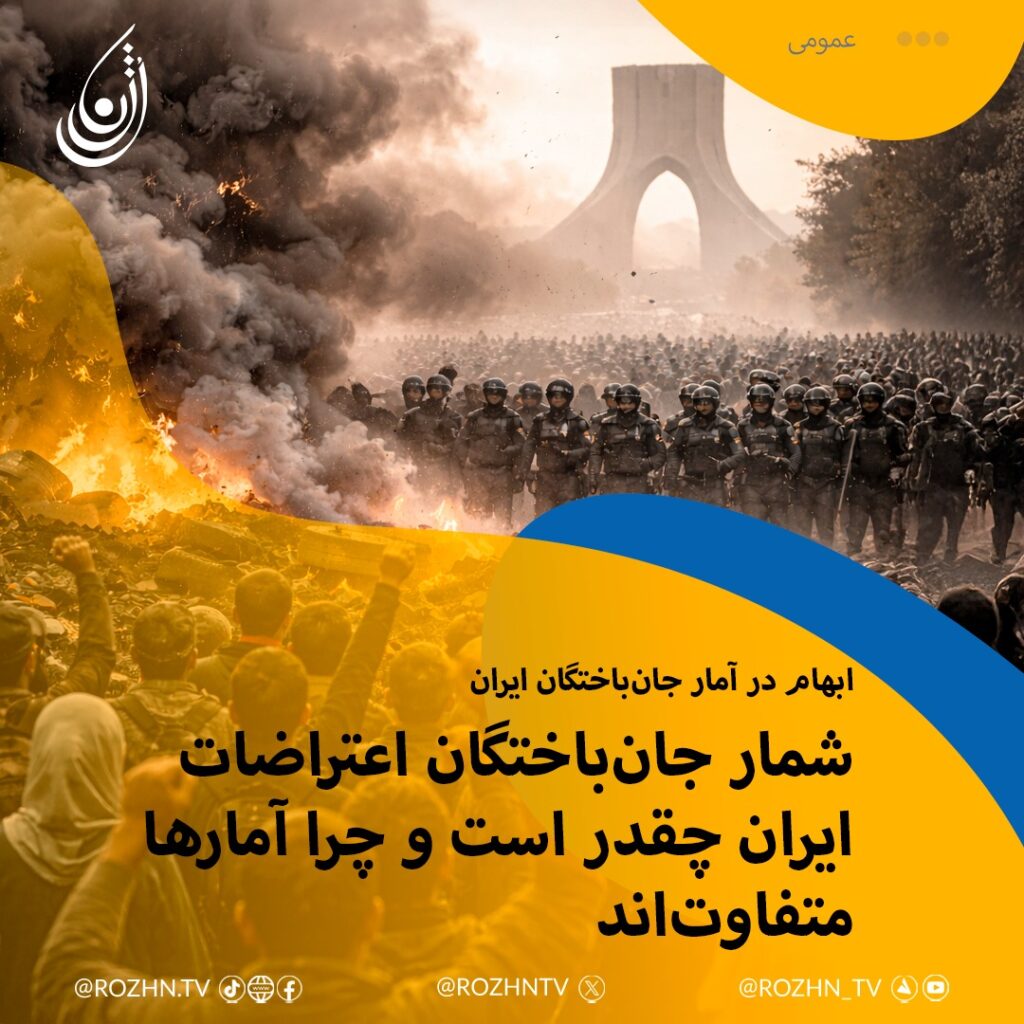
شمار جانباختگان اعتراضات ایران چقدر است و چرا آمارها متفاوتاند
بر اساس گزارشهای منتشرشده از سوی رسانههای بینالمللی و ارزیابی نهادهای حقوق بشری، ایران طی هفتههای اخیر شاهد اعتراضات و ناآرامیهایی در شماری از شهرها بوده است. این تحولات در ابتدا با مسائل اقتصادی و فشارهای معیشتی همراه بوده و در ادامه در برخی مناطق به مطالبات اجتماعی و سیاسی نیز گسترش یافته است.
در جریان این رویدادها، گزارشهایی درباره برخورد نیروهای امنیتی با تجمعات منتشر شده است. مقامات رسمی ایران آمارهایی درباره شمار جانباختگان و بازداشتشدگان ارائه کردهاند، اما بهدلیل محدودیتهای گسترده اطلاعرسانی، قطع یا اختلال در اینترنت و نبود دسترسی آزاد رسانههای مستقل، امکان راستیآزمایی کامل و مستقل همه اطلاعات با دشواری جدی همراه است.
در خصوص شمار جانباختگان، روایتها و برآوردهای متفاوتی مطرح شده است. برخی رسانههای بینالمللی به نقل از مقامهای ایرانی گزارش دادهاند که شمار جانباختگان بیش از پنج هزار نفر عنوان شده است. همزمان، برخی نهادهای حقوق بشری و منابع مستقل خارج از ایران مدعی هستند که شمار جانباختگان ممکن است بهمراتب بیشتر باشد و اعدادی در بازه تقریبی ۱۶ هزار تا ۲۰ هزار نفر را مطرح کردهاند. این ارقام بهطور مستقل قابل تأیید قطعی نیست و اختلاف موجود میان آمارها ناشی از محدودیت دسترسی به دادههای میدانی و دشواری بررسی پروندهها بهصورت موردی عنوان میشود.
در کنار این موضوع، گزارشهای متعددی درباره اعمال محدودیتهای شدید بر اینترنت و ارتباطات دیجیتال در بخشهایی از کشور منتشر شده است. این محدودیتها روند اطلاعرسانی، فعالیت رسانهها و امکان بررسی مستقل تحولات را به شکل قابل توجهی محدود کرده است.
در سطح بینالمللی، تحولات اخیر ایران واکنش نهادهای مختلف را در پی داشته است. شورای حقوق بشر سازمان ملل متحد با تصویب قطعنامهای نسبت به وضعیت حقوق شهروندان در جریان رویدادهای اخیر ابراز نگرانی کرده و بر ضرورت بررسی مستقل و شفاف موارد جانباختن و بازداشتها تأکید داشته است. مقامات ایران این مواضع را رد کرده و آن را در چارچوب مداخله در امور داخلی کشور ارزیابی کردهاند.
همچنین شورای امنیت سازمان ملل متحد نشستی را به وضعیت ایران اختصاص داده است. در بیانیهها و اظهارات مطرحشده در این چارچوب، بر اهمیت رعایت اصول حقوق بینالملل، حفظ جان غیرنظامیان و ضرورت دسترسی به اطلاعات دقیق و قابل بررسی تأکید شده است. این اظهارات در قالب مواضع عمومی اعضا مطرح شده و بهمنزله تعیین آمار نهایی یا صدور حکم قضایی تلقی نمیشود.
در شرایط کنونی، بهدلیل محدودیتهای اطلاعرسانی و نبود دسترسی مستقل به دادههای میدانی، تصویر دقیق و نهایی از ابعاد انسانی رویدادهای اخیر در ایران همچنان با ابهام همراه است. اختلاف میان آمارها و روایتها ادامه دارد و نهادهای بینالمللی و حقوق بشری بر ضرورت شفافیت، بررسی مستقل و دسترسی آزاد به اطلاعات تأکید دارند.
ENUN Bodies React to Developments Inside IranRead in English
Rozhn TV | Saturday, January 24, 2026
How Many Died in Iran’s Protests, and Why Do the Figures Differ?
According to reports published by international media and assessments by human rights organisations, Iran has seen protests and unrest in a number of cities in recent weeks. The developments initially accompanied economic issues and livelihood pressures and then, in some areas, expanded to social and political demands.
During these events, reports have been published about security forces’ handling of gatherings. Iranian officials have released figures on the number of people killed and detained, but because of extensive restrictions on the flow of information, internet cutoffs or disruptions, and the lack of free access for independent media, full and independent verification of all the information is extremely difficult.
Different accounts and estimates have been put forward regarding the number of fatalities. Some international media, citing Iranian officials, have reported that the death toll has been put at more than 5,000. At the same time, some human rights organisations and independent sources outside Iran claim that the death toll may be far higher and have put forward figures in the approximate range of 16,000 to 20,000. These figures cannot be definitively confirmed independently, and the discrepancy between them is attributed to limited access to data on the ground and the difficulty of examining cases individually.
In addition, numerous reports have been published about severe restrictions on the internet and digital communications in parts of the country. These restrictions have significantly limited the flow of information, the work of the media and the possibility of independently examining developments.
At the international level, the recent developments in Iran have prompted reactions from various bodies. The UN Human Rights Council, by adopting a resolution, expressed concern about the situation of citizens’ rights during the recent events and stressed the need for an independent and transparent investigation of the deaths and detentions. Iranian officials have rejected these positions and characterised them as interference in the country’s internal affairs.
The UN Security Council has also devoted a meeting to the situation in Iran. In the statements and remarks made in this framework, emphasis was placed on the importance of respecting the principles of international law, protecting the lives of civilians, and the need for access to accurate and verifiable information. These remarks were made as the general positions of members and are not to be regarded as establishing final figures or as a judicial ruling.
In the current circumstances, because of restrictions on the flow of information and the lack of independent access to data on the ground, a precise and final picture of the human dimensions of the recent events in Iran remains unclear. The discrepancy between the figures and accounts continues, and international and human rights bodies stress the need for transparency, independent investigation and free access to information.