بلوچستان · ویدیو
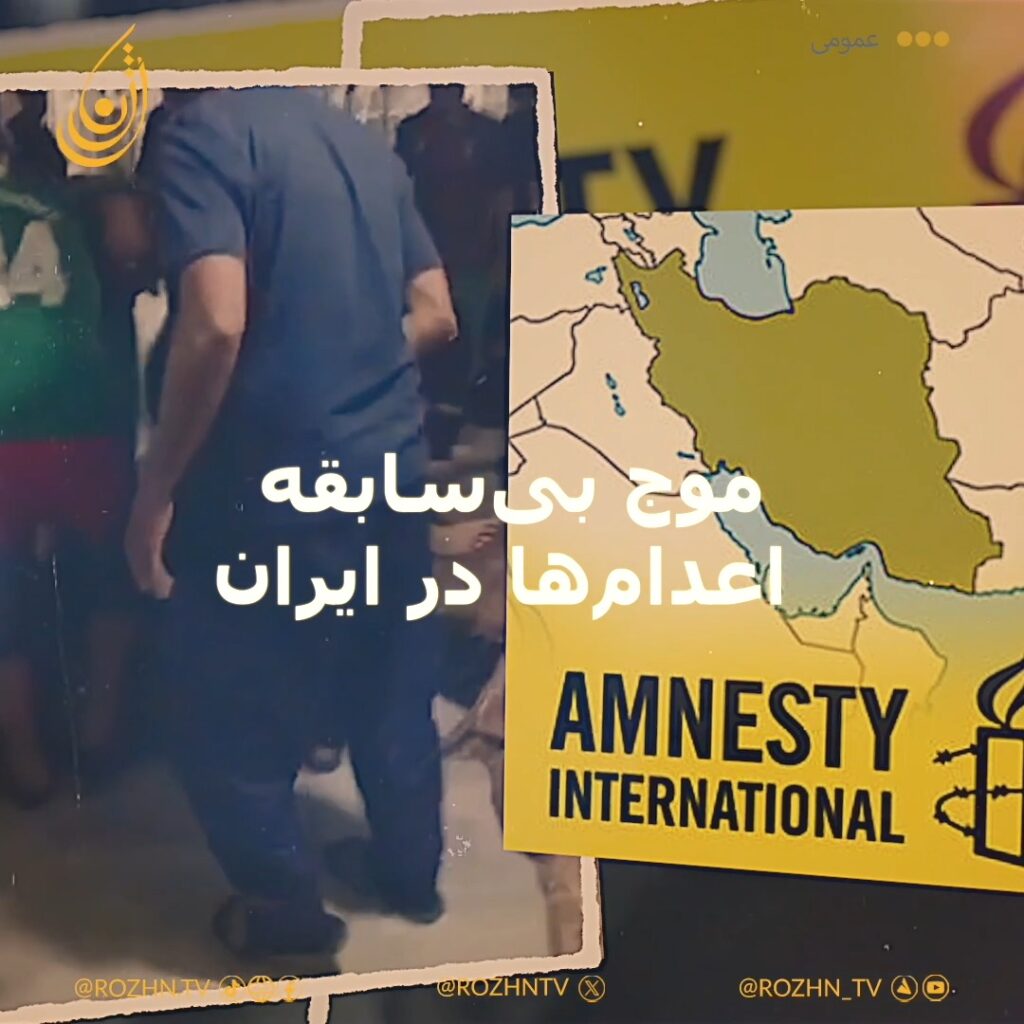
هشدار عفو بینالملل درباره موج بیسابقه اعدامها در ایران
گزارش تلویزیون رُژن | پنجشنبه ۲۴ مهر ۱۴۰۴ خورشیدی / ۱۶ اکتبر ۲۰۲۵ میلادی
سازمان عفو بینالملل در آستانه ارائه گزارش دبیرکل سازمان ملل درباره وضعیت حقوق بشر در ایران از جامعه جهانی خواسته است برای توقف فوری موج اعدامها در این کشور اقدام کند
در این گزارش آمده است که اقلیتهای قومی از جمله بلوچها، کردها، عربها و افغانها در خط مقدم اعدامها قرار دارند و بیش از هزار نفر از ابتدای سال جاری میلادی تاکنون در ایران اعدام شدهاند که میانگین چهار اعدام در روز را نشان میدهد
این نهاد هشدار داده است که بخش عمده اعدامها مربوط به پروندههای مواد مخدر است و بسیاری از احکام پس از محاکمات ناعادلانه و بر اساس اعترافات اجباری صادر شدهاند
همزمان از زندان قزلحصار کرج گزارش میرسد که گروهی از زندانیان محکوم به اعدام در چهارمین روز از اعتصاب غذای خود هستند و میگویند تنها خواستهشان تخفیف یک درجه از حکم اعدام است
منابع از وخامت حال اعتصابکنندگان و نبود رسیدگی پزشکی خبر میدهند و میگویند مسئولان زندان با فعالکردن دستگاه جمر ارتباط آنان با خانوادهها را قطع کردهاند
ادامه این وضعیت نگرانیها را از بروز بحران انسانی در زندان قزلحصار افزایش داده است
ENAmnesty International Warns of Unprecedented Wave of Executions in IranRead in English
Rozhn TV | Thursday, October 16, 2025
Ahead of the presentation of the UN Secretary-General’s report on the human rights situation in Iran, Amnesty International has called on the international community to act to bring an immediate halt to the wave of executions in the country.
The report states that ethnic minorities, including Baloch, Kurds, Arabs and Afghans, are at the forefront of the executions, and that more than a thousand people have been executed in Iran since the beginning of the current Gregorian year, an average of four executions a day.
The organization warned that the majority of the executions relate to drug cases and that many of the sentences were handed down after unfair trials and on the basis of forced confessions.
Meanwhile, reports from Ghezel Hesar Prison in Karaj say that a group of death-row prisoners are on the fourth day of their hunger strike and that their only demand is a one-degree commutation of the death sentence.
Sources report that the condition of the strikers is deteriorating and that they are receiving no medical care, and say that prison officials have cut off their contact with their families by activating a jamming device.
The continuation of this situation has heightened concerns about a humanitarian crisis in Ghezel Hesar Prison.