
نوحه مادر: ادامه اعتراض خانوادههای ناپدیدشدگان در کراچی
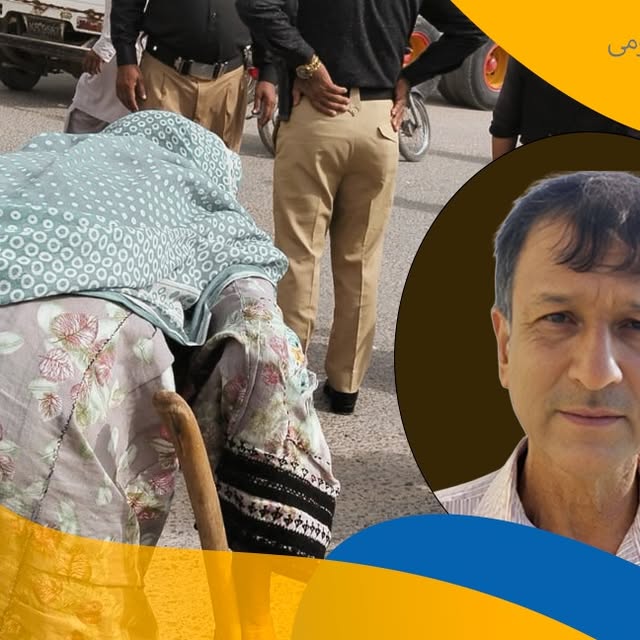
یک تصویر هزاران داستان را روایت میکند. در اعتراضات اخیر کراچی، تصویری ثبت شد که دلها را لرزاند. در خیابان اصلی ماریپور، مادری سالخورده با قامتی خمیده و عصایی در دست در برابر نیروهای پلیس ایستاده است. بر چهرهاش خطهای خستگی و اندوه نقش بسته، اما در چشمانش هنوز نوری از امید دیده میشود؛ امیدی برای دیدن دوباره فرزند ناپدیدشده.
این تصویر در حقیقت تنها نمایانگر یک مادر نیست، بلکه نماینده دهها خانوادهای است که برای بازگشت عزیزانشان به خیابان آمدهاند. در شهری چون کراچی که مملو از هیاهو و شلوغی است، وقتی مادران و خواهران تصاویر فرزندان و برادران خود را در دست گرفته و شعار سر میدهند، این اعتراض دیگر تنها یک تجمع نیست، بلکه تلنگری است بر وجدان جمعی جامعه.
روز دوشنبه، از منطقه سنگھور پاڑہ ماریپور راهپیماییای آغاز شد که زنان و کودکان پیشتاز آن بودند. این راهپیمایی وقتی به «چوک دوچرخه» رسید، به صورت تحصنی بر روی خیابان اصلی درآمد. معترضان پیوسته شعار میدادند: «فرزندان ما را بازگردانید»، «ناپدیدسازی اجباری را متوقف کنید»، «عدالت میخواهیم». این تحصن سهساعته، نظم ترافیکی منطقه را فلج کرد. اما برای معترضان، صفهای طولانی خودروها یا ناراحتی شهروندان مهم نبود؛ برای آنها بازگشت عزیزانشان تنها اولویت بود.
در جریان این اعتراض، روایتهای تکاندهندهای مطرح شد. گلسده بلوچ، خواهر شیراز و سیلان بلوچ — دو جوان ناپدیدشده — گفت که در ۲۳ مه، نیروهای سیتیدی آنها را بازداشت کردند و از آن روز تاکنون هیچ خبری از ایشان در دست نیست. او گفت: «خانه ما به ویرانهای تبدیل شده، و خانواده ما از نظر روحی و مالی نابود شده است.»
همچنین، اشکهای بیوقفه بیبی گلشن بلوچ، مادر سرفراز بلوچ، حاضران را به گریه انداخت. او گفت: «اگر پسرم خطاکار است، به دادگاه بیاوریدش. ربودن او بزرگترین ظلم است.» این کلمات تنها فریاد یک مادر نبود، بلکه زبان تمام مادرانی بود که فرزندانشان ناپدید شدهاند.
ENA Mother’s Lament: Protests by Families of the Disappeared Continue in KarachiRead in English
One picture tells a thousand stories. In the recent protests in Karachi, an image was captured that shook hearts. On the main street of Maripur, an elderly mother with a stooped frame and a cane in her hand stands facing police forces. Lines of exhaustion and grief are etched on her face, yet a light of hope can still be seen in her eyes: the hope of seeing her disappeared child again.
In truth, this image represents not just one mother but dozens of families who have taken to the streets for the return of their loved ones. In a city like Karachi, full of noise and crowds, when mothers and sisters hold up pictures of their sons and brothers and chant slogans, this protest is no longer merely a gathering but a jolt to the collective conscience of society.
On Monday, a march began from the Sanghur Para area of Maripur, led by women and children. When the march reached “Bicycle Chowk,” it turned into a sit-in on the main road. The protesters chanted continuously: “Bring back our children,” “Stop enforced disappearances,” “We want justice.” The three-hour sit-in paralyzed traffic in the area. But for the protesters, the long lines of vehicles and the inconvenience to citizens did not matter; the return of their loved ones was their only priority.
During the protest, harrowing accounts were shared. Golsada Baloch, sister of Shiraz and Sailan Baloch, two disappeared young men, said that on May 23, CTD forces detained them and that there has been no news of them from that day to this. She said: “Our home has turned into a ruin, and our family has been destroyed emotionally and financially.”
Also, the ceaseless tears of Bibi Gulshan Baloch, the mother of Sarfaraz Baloch, brought those present to tears. She said: “If my son is guilty, bring him to court. Abducting him is the greatest injustice.” These words were not merely the cry of one mother but the voice of all the mothers whose children have disappeared.



