نقش حاکمیت نروژ در تعیین برنده جایزه صلح نوبل
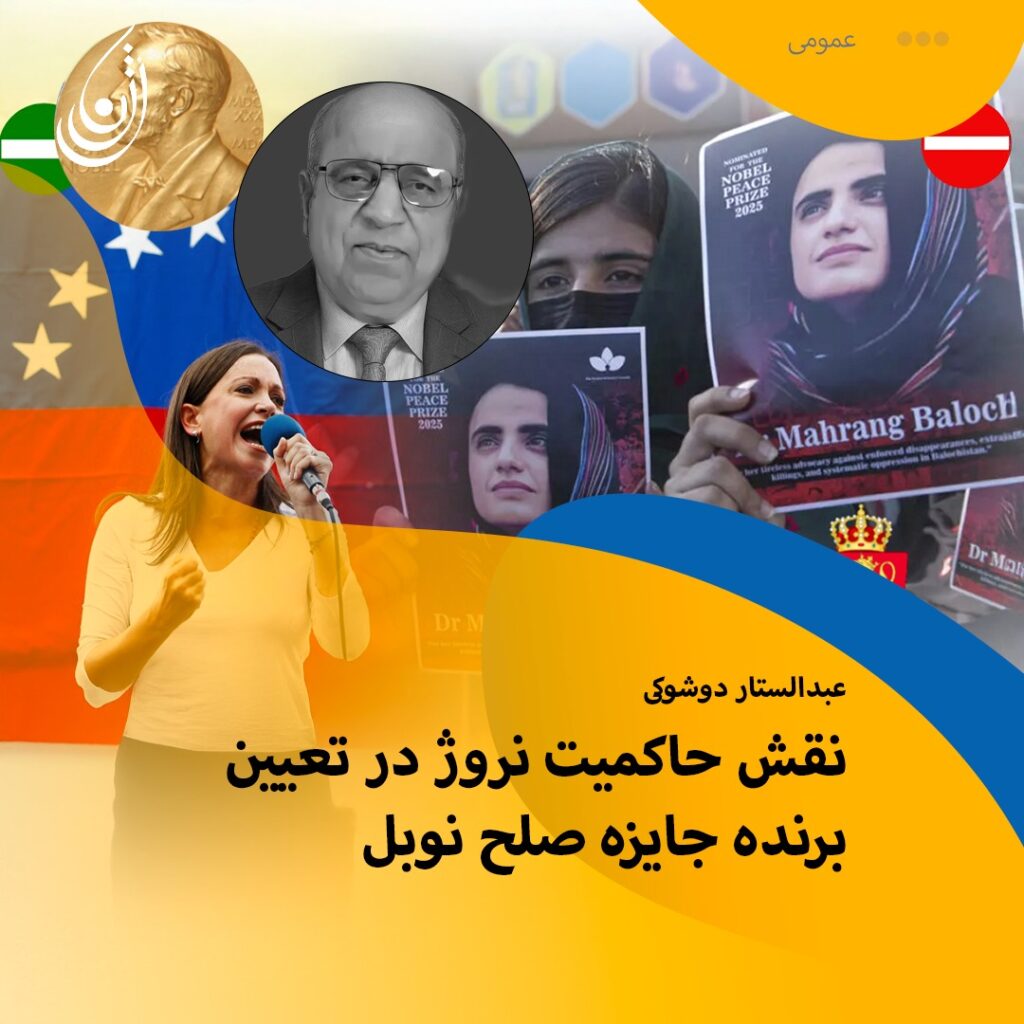
امروز مؤسسه نوبل اعلام کرد کمیته نوبل نروژ جایزه صلح نوبل را به ماریا کورینا ماچادو، رهبر مخالفان ونزوئلا، اعطا کرده است؛ فردی که یکی از چند صد نامزد این جایزه بود. اعطای جایزه صلح نوبل یا عدم اعطای آن در موارد بسیاری مناقشهبرانگیز بوده است. نمونههای فراوانی از بیتوجهی به شایستهترین افراد وجود دارد؛ از جمله واتسلاو هاول و مهاتما گاندی. از سوی دیگر، افرادی مانند آدولف هیتلر در سال ۱۹۳۹ با فشار دولت وقت آلمان به عنوان نامزد این جایزه پذیرفته شده بودند. یا ابیه احمد، رئیسجمهور اتیوپی، که شش سال پیش برنده جایزه صلح نوبل شد،وی در جنگ تیگره مرتکب جنایات گسترده و نسلکشی شد. جالب اینجاست که نروژ روابط بسیار نزدیک و دوستانهای با اتیوپی دارد. همچنین آنگ سان سو چی، رئیسجمهور میانمار، که هرگز حاضر نشد نسلکشی هولناک علیه روهینگیا را محکوم کند، از جمله برندگان این جایزه بوده است.
نروژ سالهاست به عنوان میانجیگر، منتقد سرسخت دولت ونزوئلا محسوب میشود. در مقابل، روابط بسیار نزدیک و تنگاتنگی با دولت، ارتش و پلیس پاکستان دارد و سالانه میلیونها دلار به این کشور کمک میکند. از سوی دیگر، در حالی که جایزه صلح نوبل را به رئیسجمهور اتیوپی اعطا میکند، آن را از دکتر مهرنگ بلوچ, پزشک زندانی و فعال مدنی صلحطلب بلوچ, که از سوی بسیاری از نهادها برای جایزه صلح نوبل ۲۰۲۵ نامزد شده بود، دریغ میدارد. این اقدام بهروشنی رنگ و بوی سیاسی دارد؛ چرا که ظاهراً نروژ نمیخواهد روابط خود با ارتش پاکستان را خدشهدار کند. فعالان سیاسی بلوچ در نروژ بارها در مقابل پارلمان این کشور تجمعاتی در اعتراض به کشتار مردم بلوچ در پاکستان و در حمایت از دکتر مهرنگ بلوچ برگزار کردهاند.
دکتر مهرنگ بلوچ، فارغالتحصیل دانشکده پزشکی بولان در کویته، به عنوان یک رهبر صلحطلب و چهره شناختهشده مدنی بلوچ، سالهاست نماد اعتراضات مدنی نه تنها در بلوچستان، بلکه در سراسر پاکستان به شمار میرود. او در ماه مارس سال جاری توسط ارتش پاکستان بازداشت و بهطور غیرقانونی زندانی شد. نهادهای حقوق بشری چون عفو بینالملل و دیدهبان حقوق بشر، بازداشت وی را نقض آشکار حقوق بشر دانستهاند، اما سازمان امنیتی ارتش پاکستان، موسوم به آیاِسآی، به این انتقادات وقعی نمینهد.
در پاکستان هزاران بلوچ قربانی ناپدیدسازی اجباری توسط ارتش میشوند؛ اجساد شکنجهشده و مثلهشده آنان اغلب در خیابانها، بیابانها یا گورهای دستهجمعی پیدا میشود — از جمله پدر دکتر مهرنگ بلوچ. او در چنین فضایی از سرکوب و ارعاب رشد کرده و همانند بسیاری از زنان شجاع بلوچ، از پیوند دردناک میان تجربه شخصی و ستم اجتماعی، به فعالیت مدنی علیه سرکوب بیرحمانه مردم بلوچ روی آورده است. بیتردید، او یکی از شایستهترین نامزدهای جایزه صلح نوبل است. در اکتبر ۲۰۲۴، مجله تایم او را در فهرست ۱۰۰ رهبر نوظهور تأثیرگذار جهان قرار داد و در دسامبر همان سال، نامش در فهرست ۱۰۰ زن تأثیرگذار بیبیسی درج شد.
کمیته نوبل نروژ متشکل از پنج نفر از سیاستمداران بازنشسته حکومتی است که توسط پارلمان نروژ منصوب میشوند. این افراد، در واقع بخشی از ساختار حاکم نروژند و هرگز تصمیمی برخلاف منافع کشورشان نمیگیرند. نروژ کمکهای تسلیحاتی قابل توجهی به ارتش و پلیس پاکستان ارائه میکند؛ تجهیزاتی که احتمالاً در سرکوب مردم بلوچ به کار میرود. با این حال، همین کشور «جایزه صلح» را نیز اعطا میکند, جایزهای که هر روز بیشتر ظاهرا رنگ جانبداری سیاسی به خود میگیرد.
البته نقش حاکمیت و دولت پادشاهی نروژ در این میان مستقیم نیست، اما پیچیده و ناگفته است. اگر جایزه صلح نوبل واقعاً جهانی و بیطرفانه است، پس بعد از بیش از ۱۲۰ سال، وقت آن رسیده که روند گزینش آن از انحصار کمیته پنجنفره نروژی خارج شده و به نهادی بینالمللی و بیطرف, شامل برندگان پیشین جایزه صلح نوبل از کشورهای مختلف, سپرده شود تا این جایزه از ابزار سیاسی غیر مستقیم دولت و حاکمیت نروژ بودن فاصله بگیرد.
عبدالستار دوشوکی
مرکز مطالعات بلوچستان – لندن
جمعه، ۱۸ مهر ۱۴۰۴
Link: https://www.france24.com/en/europe/20251010-ten-contenders-for-the-nobel-peace-prize-who-are-not-donald-trump
ENThe Role of the Norwegian State in Choosing the Nobel Peace Prize WinnerRead in English
Today the Nobel Institute announced that the Norwegian Nobel Committee has awarded the Nobel Peace Prize to Maria Corina Machado, the Venezuelan opposition leader, who was one of several hundred nominees for the prize. The awarding of the Nobel Peace Prize, or the failure to award it, has been controversial in many cases. There are numerous examples of the most deserving people being overlooked, including Vaclav Havel and Mahatma Gandhi. On the other hand, people such as Adolf Hitler were accepted as nominees in 1939 under pressure from the German government of the time. Or Abiy Ahmed, the president of Ethiopia, who won the Nobel Peace Prize six years ago; he committed widespread crimes and genocide in the Tigray war. Interestingly, Norway has very close and friendly relations with Ethiopia. Likewise, Aung San Suu Kyi, the president of Myanmar, who never agreed to condemn the horrific genocide against the Rohingya, has been among the winners of this prize.
For years, Norway, acting as a mediator, has been regarded as a staunch critic of the Venezuelan government. By contrast, it has very close and tight relations with the government, army and police of Pakistan and provides that country with millions of dollars in aid every year. At the same time, while it awards the Nobel Peace Prize to the president of Ethiopia, it withholds it from Dr. Mahrang Baloch, the imprisoned physician and peace-loving Baloch civil activist, who had been nominated for the 2025 Nobel Peace Prize by many institutions. This move clearly has a political flavor, because Norway apparently does not want to damage its relations with the Pakistani army. Baloch political activists in Norway have repeatedly held rallies in front of the country’s parliament to protest the killing of Baloch people in Pakistan and in support of Dr. Mahrang Baloch.
Dr. Mahrang Baloch, a graduate of Bolan Medical College in Quetta, has for years been a symbol of civil protest, as a peace-loving leader and well-known Baloch civil figure, not only in Balochistan but throughout Pakistan. She was arrested by the Pakistani army in March this year and illegally imprisoned. Human rights bodies such as Amnesty International and Human Rights Watch have described her detention as a clear violation of human rights, but the Pakistani army’s intelligence agency, known as the ISI, pays no heed to these criticisms.
In Pakistan, thousands of Baloch are victims of enforced disappearance by the army; their tortured and mutilated bodies are often found in streets, deserts or mass graves, including the father of Dr. Mahrang Baloch. She grew up in such an atmosphere of repression and intimidation and, like many brave Baloch women, turned to civil activism against the brutal repression of the Baloch people, out of the painful link between personal experience and social oppression. Without doubt, she is one of the most deserving candidates for the Nobel Peace Prize. In October 2024, Time magazine included her on its list of 100 emerging influential leaders of the world, and in December of the same year, her name appeared on the BBC’s list of 100 influential women.
The Norwegian Nobel Committee consists of five retired government politicians appointed by the Norwegian parliament. These individuals are in effect part of Norway’s ruling structure and never make a decision against their country’s interests. Norway provides significant arms aid to the Pakistani army and police, equipment that is likely used in the repression of the Baloch people. Yet the same country also awards the “Peace Prize,” a prize that, apparently, takes on the color of political partisanship more with each passing day.
Of course, the role of the Norwegian state and royal government in this matter is not direct, but it is complicated and unspoken. If the Nobel Peace Prize is truly global and impartial, then after more than 120 years it is time for its selection process to be taken out of the monopoly of the five-member Norwegian committee and handed to an international and impartial body, including previous Nobel Peace Prize laureates from various countries, so that the prize distances itself from being an indirect political instrument of the Norwegian state and government.
Abdul Sattar Doshouki
Balochistan Studies Center, London
Friday, October 10, 2025
Link: https://www.france24.com/en/europe/20251010-ten-contenders-for-the-nobel-peace-prize-who-are-not-donald-trump