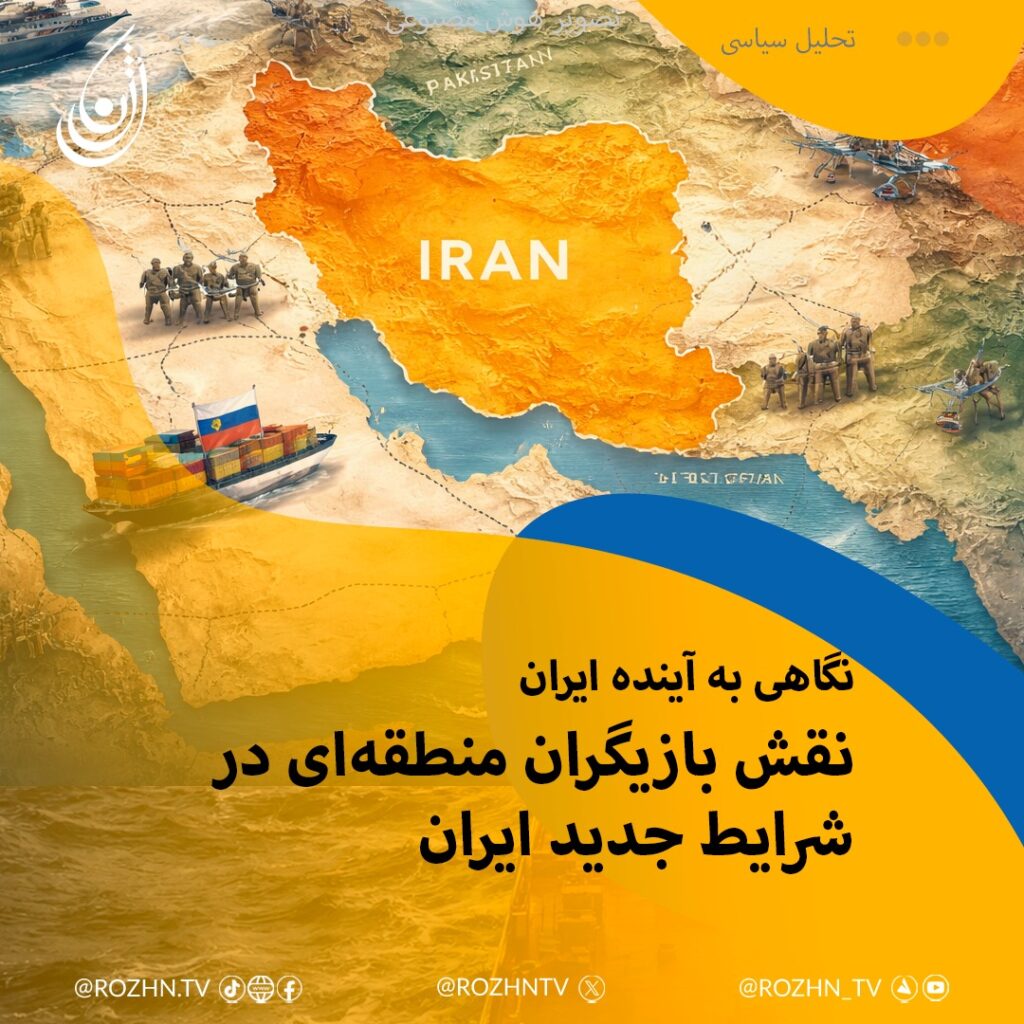
نقش بازیگران منطقهای در شرایط جدید ایران
تلویزیون رُژن | یکشنبه ۳۰ فروردین ۱۴۰۵ / ۱۹ آوریل ۲۰۲۶
این تحولات در شرایطی رخ میدهد که فشارهای اقتصادی و سیاسی فشار زیادی بر زندگی مردم وارد کرده است
تحولات اخیر در ایران ابعادی پیدا کرده که از مسائل داخلی فراتر رفته است
این تغییرات هم در داخل کشور دیده میشود و هم در سطح منطقه بازتاب داشته است
در حالی که ایالات متحده با اعمال فشارهای اقتصادی و نظامی تلاش میکند نفوذ ایران را محدود کرده و تعادل منطقهای را حفظ کند سایر بازیگران هر کدام مسیر و منافع خود را دنبال میکنند
پاکستان در این میان در موقعیتی حساس قرار دارد
این کشور با چالشهای امنیتی در مرزهای مشترک با ایران روبهرو است و همزمان تلاش میکند رابطه خود را با قدرتهای مختلف حفظ کند
تحولات در بلوچستان و مسیرهای انرژی باعث شده اهمیت این موقعیت بیش از گذشته دیده شود
هند نیز با تمرکز بر توسعه مسیرهای تجاری و بندر چابهار به دنبال گسترش حضور اقتصادی خود در منطقه است
این رقابت اقتصادی بهطور مستقیم با تحولات ایران در ارتباط است
چین از جمله کشورهایی است که در این شرایط به دنبال حفظ و تقویت منافع بلندمدت خود است
پروژههای اقتصادی و مسیرهای ترانزیتی برای این کشور اهمیت زیادی دارد و بیثباتی میتواند بر این برنامهها اثر بگذارد
در عین حال این شرایط فرصتهایی را نیز برای افزایش نفوذ در برخی حوزهها ایجاد کرده است
روسیه نیز در این شرایط تلاش میکند جایگاه خود را حفظ کند
به نظر میرسد تحولات اخیر باعث شده رقابتها در سطح بینالمللی پیچیدهتر شود
در این میان تنگه هرمز همچنان یکی از نقاط حساس جهان باقی مانده است
هرگونه تنش در این منطقه میتواند به سرعت بر بازار انرژی و شرایط اقتصادی تأثیر بگذارد و این تأثیر در زندگی روزمره مردم نیز قابل مشاهده است
اما آنچه کمتر مورد توجه قرار میگیرد وضعیت مردم است
مردمی که در میان این تحولات با فشارهای اقتصادی و نگرانی نسبت به آینده روبهرو هستند و در عین حال به دنبال ثبات و شرایط بهتر هستند
این شرایط نشان میدهد که آینده منطقه تنها به تصمیم قدرتها وابسته نیست بلکه به خواست و نقش مردم نیز بستگی دارد
ENThe Role of Regional Actors in Iran’s New SituationRead in English
Rozhn TV | Sunday, April 19, 2026
These developments are occurring at a time when economic and political pressures have placed heavy strain on people’s lives.
Recent developments in Iran have taken on dimensions that go beyond domestic issues.
These changes are visible inside the country and have also been reflected at the regional level.
While the United States, through economic and military pressure, is trying to limit Iran’s influence and maintain the regional balance, other actors are each pursuing their own path and interests.
Pakistan is in a sensitive position in this picture.
The country faces security challenges along its shared border with Iran while trying to maintain its relations with various powers.
Developments in Balochistan and on energy routes have made the importance of this position more visible than before.
India, for its part, is seeking to expand its economic presence in the region by focusing on developing trade routes and the port of Chabahar.
This economic competition is directly tied to developments in Iran.
China is among the countries seeking to preserve and strengthen their long-term interests in these conditions.
Economic projects and transit routes are very important to it, and instability could affect these plans.
At the same time, the current situation has also created opportunities for increasing influence in some areas.
Russia is also trying to maintain its position in these conditions.
It appears that recent developments have made international rivalries more complex.
Meanwhile, the Strait of Hormuz remains one of the world’s most sensitive points.
Any tension in this area can quickly affect the energy market and economic conditions, and this effect is also visible in people’s daily lives.
But what receives less attention is the situation of the people.
People who, amid these developments, face economic pressure and anxiety about the future, while at the same time seeking stability and better conditions.
This situation shows that the region’s future depends not only on the decisions of the powers but also on the will and role of the people.