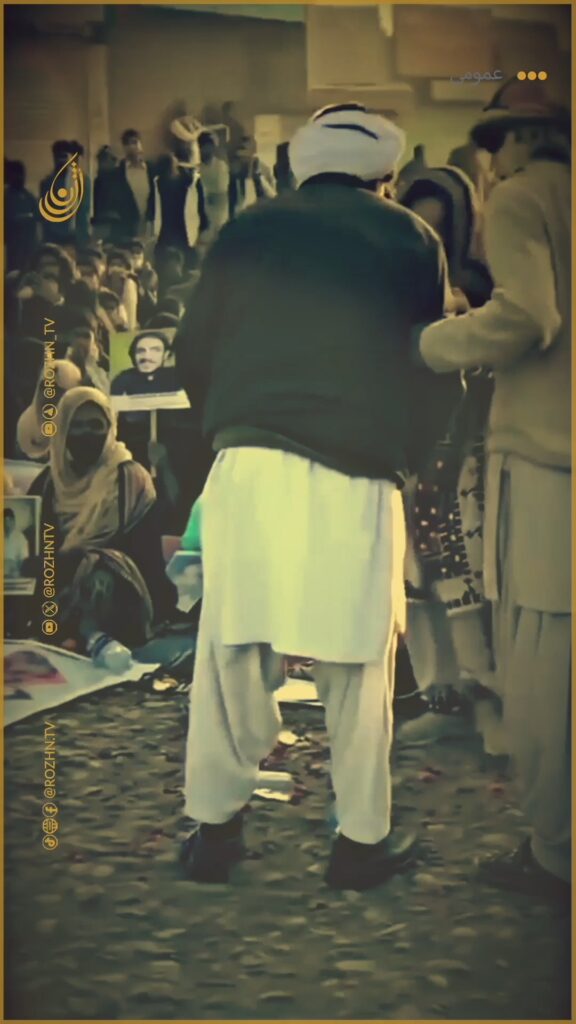
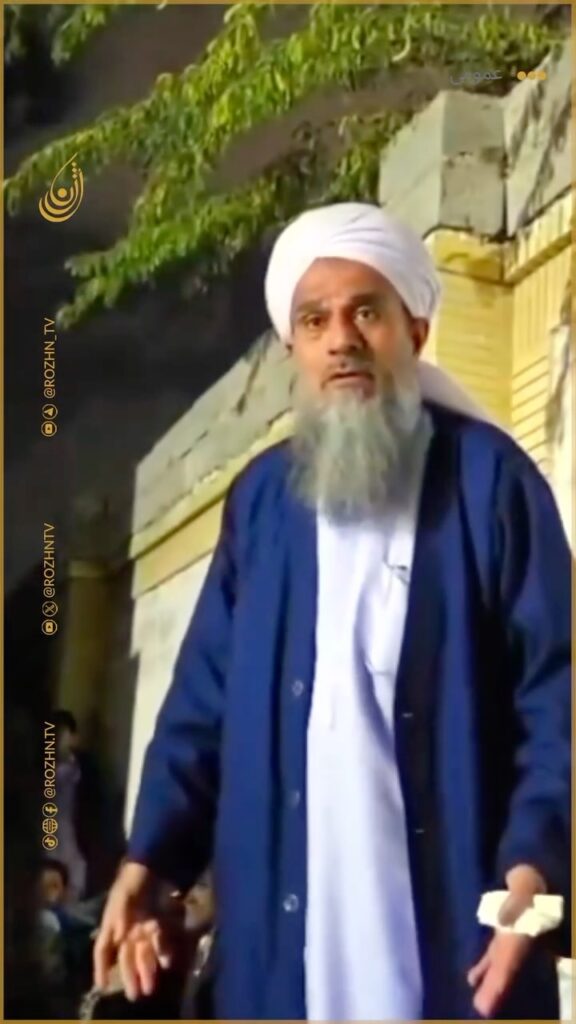
نقش آگاهیبخش مولوی کوهی
تلویزیون رُژن | یکشنبه ۷ دی ۱۴۰۴ / ۲۸ دسامبر ۲۰۲۵
در سالهای اخیر، پدیده تلخ برادرکشی و نزاعهای درونطایفهای یکی از جدیترین چالشهای اجتماعی در بلوچستان بوده است؛ پدیدهای که نهتنها امنیت اجتماعی را تضعیف میکند، بلکه بنیان خانواده، اعتماد عمومی و آینده نسل جوان را نیز در معرض آسیب قرار میدهد.
در چنین شرایطی، نقش شخصیتهای دینی و اجتماعی آگاه و مستقل اهمیتی دوچندان مییابد. مولوی کوهی با رویکردی مسئولانه و وحدتمحور، تلاش کرده است ریشههای این خشونتها را نه در اختلافات واقعی مردم، بلکه در تحریک آگاهانه جریانها یا عوامل بیرونی شناسایی و برای جامعه تبیین کند؛ جریانهایی که از تداوم اختلاف، ناامنی و فروپاشی اجتماعی سود میبرند.
مولوی کوهی در سخنان خود بارها تأکید کرده است که بسیاری از این درگیریها نتیجه اطلاعات نادرست، گزارشهای جعلی و روایتسازیهای هدفمند است؛ روایتهایی که با سوءاستفاده از احساسات، فقر و بیاعتمادی، مردم را بهجای ساختن خانه، خانواده و آینده، به سمت تخریب یکدیگر سوق میدهد.
در همین چارچوب، این جمله منسوب به یکی از اندیشمندان اجتماعی، بهروشنی وضعیت امروز را توصیف میکند:
«آنکه از ویرانی خانهها سود میبرد، هرگز خواهان آرامش خانوادهها نیست.»
پیام مولوی کوهی دقیقاً در نقطه مقابل این منطق ویرانگر قرار دارد. او بهجای دامنزدن به خشم، راه گفتوگو، سازش، صلح طایفهای و مسئولیت جمعی را نشان میدهد و بر این اصل تأکید میکند که امنیت پایدار، نه از لوله اسلحه، بلکه از آگاهی، صداقت و همبستگی اجتماعی شکل میگیرد.
این رویکرد، نمونهای روشن از رهبری اخلاقی در جامعه بلوچ است؛ رهبریای که میکوشد مردم را از دام تحریک، شایعه و دروغهای سازمانیافته برهاند و مسیر ساختن را جایگزین مسیر تخریب کند. تجربههای اخیر نشان داده است که هر جا صداهای مستقل و صلحطلب تقویت شدهاند، امکان مهار خشونت و بازگشت اعتماد نیز فراهم آمده است.
مولوی کوهی با این رویکرد، راه را نشان داده است؛ راهی که از آگاهی میگذرد، نه از برادرکشی.
ENThe Awareness-Raising Role of Molavi KuhiRead in English
Rozhn TV | Sunday, December 28, 2025
In recent years, the bitter phenomenon of fratricide and intra-tribal feuds has been one of the most serious social challenges in Balochistan, a phenomenon that not only weakens social security but also endangers the foundations of the family, public trust and the future of the young generation.
In such circumstances, the role of informed and independent religious and social figures takes on double importance. Molavi Kuhi, with a responsible and unity-focused approach, has sought to identify the roots of this violence not in the real disputes of the people but in the deliberate incitement of outside currents or actors, and to explain this to society: currents that benefit from the continuation of discord, insecurity and social collapse.
In his remarks, Molavi Kuhi has repeatedly stressed that many of these clashes are the result of false information, fabricated reports and targeted narrative-building, narratives that exploit emotions, poverty and mistrust to push people toward destroying one another instead of building homes, families and a future.
In this context, the following sentence, attributed to one of the social thinkers, clearly describes today’s situation:
“One who profits from the ruin of homes never wants peace for families.”
The message of Molavi Kuhi stands in exact opposition to this destructive logic. Instead of fueling anger, he points to the path of dialogue, reconciliation, tribal peace and collective responsibility, and stresses the principle that lasting security comes not from the barrel of a gun but from awareness, honesty and social solidarity.
This approach is a clear example of moral leadership in Baloch society, a leadership that seeks to free people from the trap of incitement, rumor and organized lies and to replace the path of destruction with the path of building. Recent experience has shown that wherever independent and peace-seeking voices have been strengthened, it has also become possible to contain violence and restore trust.
With this approach, Molavi Kuhi has shown the way, a way that passes through awareness, not through fratricide.