
بلوچستان · ویدیو
نخبگان و جوانان بلوچ؛ قربانیان خاموش سیاست سرکوب
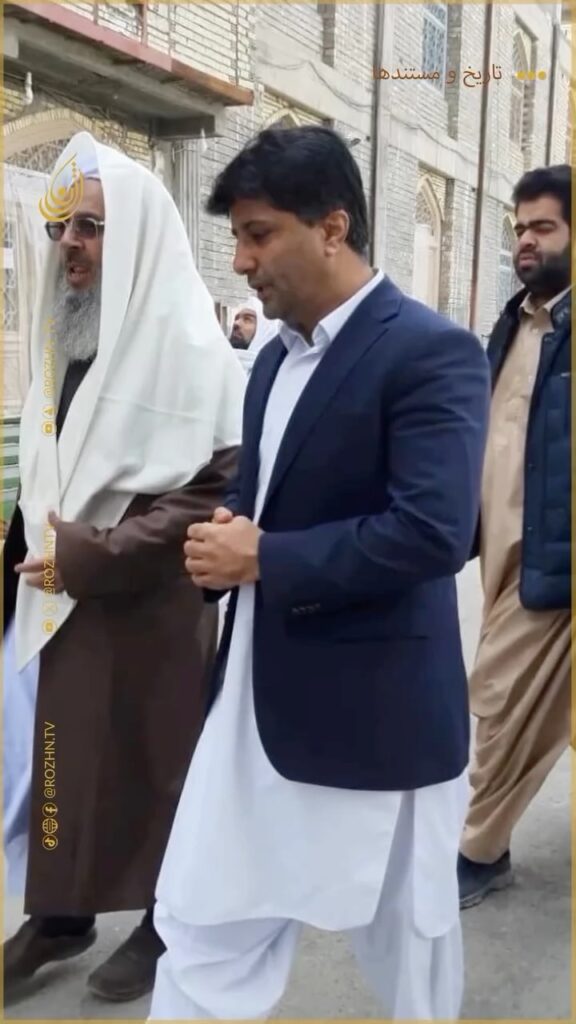
تلویزیون رُژن | شنبه ۲۵ مرداد ۱۴۰۴ خورشیدی / ۱۶ اوت ۲۰۲۵ میلادی
سکوت رسانههای ملی در برابر درد بلوچستان
ای خاک بلوچستان، سرزمین مردمان صبور و زخمی! تو گواه هزاران بغض فروخوردهای که در دل کوهها و دشتهایت خانه کردهاند. سخنان حاج حمید گمشادزهی، روایت رنجی بیپایان است؛ فریادی که همهی زخمهای این دیار را در خود دارد.
او با درد میگوید: جرمم این بود که در مسجد مکی نماز خواندم و با جناب شیخالاسلام مولوی عبدالحمید ارتباط داشتم. در دیاری که حضور در خانهی خدا به بهای جان تمام میشود، چه جرمی سنگینتر از این میتوان یافت؟ هنوز صدای تیرهایی که نمازگزاران مسجد مکی را به خاک و خون کشیدند، در گوش تاریخ میپیچد. هنوز یاد سپهر شیرانی، آن جوان آزادهای که زیر شکنجه جان داد، وجدانها را میخراشد.
اما درد بلوچستان تنها در خون بیگناهان خلاصه نمیشود. این سرزمین علما و نخبگانش را نیز از دست داده است؛ مردانی چون مولوی نقشبندی که به جرم دفاع از مردمش آوارهی دیاری بیگانه شد. و نخبگانی چون حسین ثوری، که سالها مدیرکل ورزش و جوانان استان، رئیس فدراسیون بوکس کشور، مربی و داور بینالمللی، حقوقدان و مدیرعامل ستاد دیه بود. او هرچه داشت وقف بلوچستان کرد، اما سرانجام ناگزیر از ترک وطن شد؛ وطنی که عشقش به آن در هر نفسش جاری بود.
آری ملت بلوچستان! این حکومت جز به نابودی زبان، فرهنگ، هویت و سرزمین شما رضایت نخواهد داد. اما آیا سکوت، پاسخی به این ستم است؟ تا زمانی که فریادهایتان همچون فریاد حمید سقف آسمان را نشکافد، این زنجیرهی رنج پایانی نخواهد داشت.
ای بلوچستان، تو شاهد رنجهای بیپایان فرزندانت هستی. شاید روزی این خشم فروخورده شعلهای شود که تاریکی ستم را در نور حقیقت بسوزاند. تا آن روز، خاکت خونها و اشکها را در دل خواهد پرورد، به امید طلوع صبحی که در آن، نشانی از تیرگی نباشد.
رنج زنان و مردان بلوچ؛ تصویری از بحران انسانی در بلوچستان
ENBaloch Elites and Youth: Silent Victims of the Policy of RepressionRead in English
Rozhn TV | Saturday, August 16, 2025
The Silence of the National Media in the Face of Balochistan’s Pain
O land of Balochistan, land of a patient and wounded people! You are witness to thousands of swallowed sobs that have made their home in the heart of your mountains and plains. The words of Haj Hamid Gomshadzehi are the account of an endless suffering; a cry that carries all the wounds of this land.
He says in pain: “My crime was that I prayed at the Makki Mosque and was in contact with His Excellency Sheikh al-Islam Molavi Abdolhamid. In a land where being present in the house of God costs a person’s life, what crime could be heavier than this?” The sound of the bullets that drenched the worshippers of the Makki Mosque in blood and dust still echoes in the ears of history. The memory of Sepehr Shirani, that free-spirited young man who died under torture, still scratches at the conscience.
But the pain of Balochistan is not limited to the blood of the innocent. This land has also lost its scholars and elites; men like Molavi Naqshbandi, who was driven into exile in a foreign land for the crime of defending his people. And elites like Hossein Souri, who for years was the province’s director general of sports and youth, head of the national boxing federation, an international coach and referee, a jurist and CEO of the Diyeh Headquarters. He devoted everything he had to Balochistan, yet in the end was forced to leave his homeland; a homeland whose love flowed in his every breath.
Yes, people of Balochistan! This government will settle for nothing less than the destruction of your language, culture, identity and land. But is silence an answer to this oppression? Until your cries, like Hamid’s cry, split the roof of the sky, this chain of suffering will have no end.
O Balochistan, you are witness to the endless sufferings of your children. Perhaps one day this swallowed anger will become a flame that burns the darkness of oppression in the light of truth. Until that day, your soil will nurture the blood and tears in its heart, in the hope of the dawn of a morning in which there is no trace of darkness.
The Suffering of Baloch Women and Men: A Picture of the Humanitarian Crisis in Balochistan



