بلوچستانگزارش بلند
ناپدیدسازی اجباریِ زنان بلوچ
گزارش تلویزیون رُژن | سهشنبه ۱۸ آذر ۱۴۰۴ / ۹ دسامبر ۲۰۲۵
عزیز سنگھور
تاریخ ناپدیدسازیهای اجباری در بلوچستان طولانی، دردناک و خونآلود است؛ اما آج این فهرستِ مرگبار چهرهای تازه و هولناک به خود گرفته است—چهرۀ زنان بلوچ. زنانی که در فرهنگ بلوچ نماد حرمت، عزت و ناموس شمرده میشوند؛ زنانی که دستدرازی به آنان در سنتهای بلوچ «جرمی نابخشودنی» و «غیرقابل تصور» بود، اما امروز همین زنان در تاریکترین سلولهای بینام و نشان گم میشوند.
این توصیفات بر مبنای روایتهای فرهنگی و شهادتهای محلی بیان میشود.
شب هشتم دسامبر، در منطقۀ ظہور کالونی دالبندین، یورش نیروهای امنیتی آغازگر فصل دیگری از رعب و وحشت بود. در این عملیات، درهای خانهها شکسته شد، زنان و مردان هراسان گردیدند و یک خواهر و برادر—زبیر ولد محمد رحیم و رحیمه بنت محمد رحیم—بدون هیچ سند و مدرک قانونی بازداشت و به مکان نامعلومی منتقل شدند.
طبق گفتهٔ منابع محلی، تا زمان تهیه این گزارش هیچ اطلاع رسمی درباره علت بازداشت یا محل نگهداری آنان منتشر نشده است.
منابع محلی میگویند که هیچگونه ثبت، پرونده یا اطلاع رسمی وجود ندارد؛ خاموشی مطلق، همانند صدها پرونده دیگر.
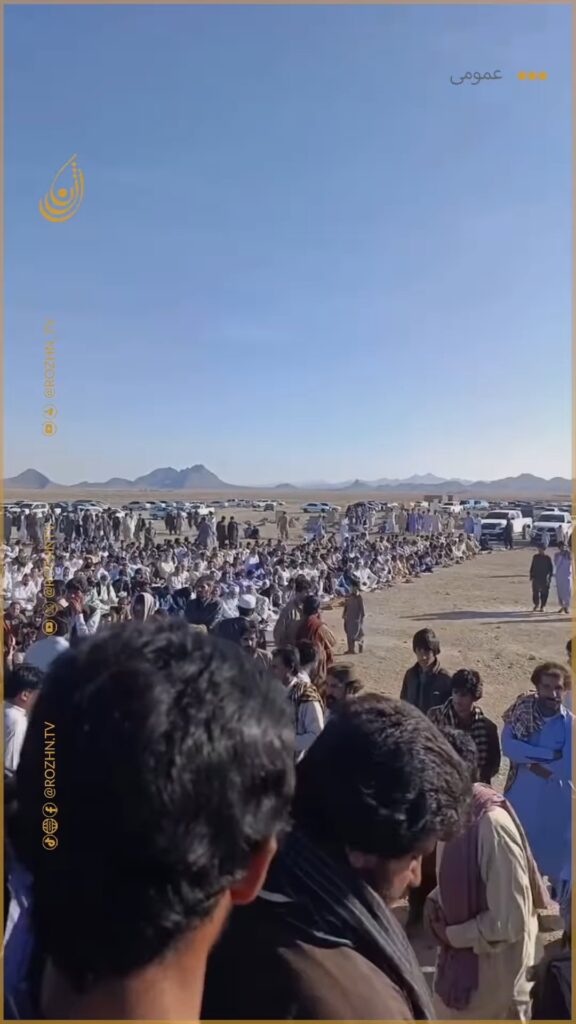
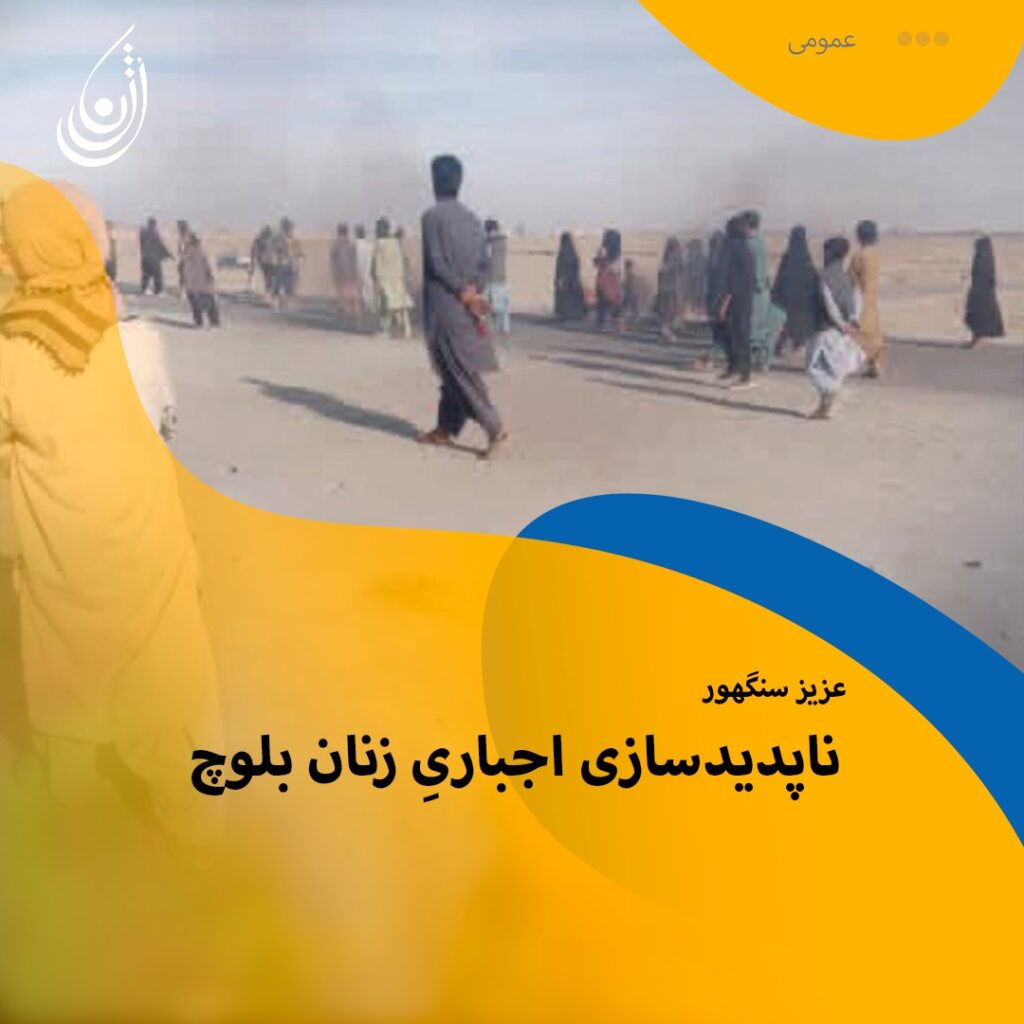
پس از این واقعۀ دلخراش، خانوادۀ آسیبدیدہ به همراه مردم محل، بزرگراه ملی را مسدود کردند. جادهای که برای ساعتها صدای فریاد عدالتخواهی را پژواک میداد. مردم تنها یک خواسته داشتند:
«رحیمه و زبیر را فوراً آزاد کنید.»
این اعتراضات مطابق گزارشهای میدانی به صورت مسالمتآمیز برگزار شد.
اما هر لحظهای که میگذرد، سایۀ بیم و اندوه سنگینتر میشود. آیا این دو نیز به انبوه چهرههای گمشده خواهند پیوست؟ چهرههایی که تنها نامشان باقی میماند و دعای مادرانهای که هرگز به مقصد نمیرسد.
این پرسشها بازتاب نگرانی خانوادهها و جامعه محلی است.
این حادثه نخستین نیست و متأسفانه آخرین نیز نخواهد بود.
در یکم دسامبر 2025، فرزانه بنت محمد بخش زهری در خضدار توسط نیروهای سیتیدی بازداشت و ناپدید شد.
به گفتهٔ خانواده و فعالان حقوقی، تاکنون هیچ پرونده قضایی یا اطلاع رسمی در مورد وضعیت او اعلام نشده است.
در فرهنگ بلوچ، ربودن یک زن خط قرمزِ تاریخی و اخلاقی است. همین است که فرزانه امروز به نمادی ملی تبدیل شده—نمادی از شکستن قداست زن بلوچ.
این توصیف بر اساس تحلیلهای فرهنگی و اجتماعی مطرح میشود.
22 نوامبر 2025 نیز شب هولناک دیگری بود. نیروهای دولتی در منطقۀ دارو هتلِ حب چوکی به خانهای یورش بردند
و نسرینه دختر دلیور بلوچ، دختر پانزدهساله و اهل تیرتیج آواران، را بدون حکم، بدون ثبت، بدون هیچ سندی ربودند.
طبق گفتهٔ اعضای خانواده، تا این لحظه هیچ ابلاغ یا سندی از سوی نهادهای رسمی منتشر نشده است.
گویی یک کودک از صفحه زندگی پاک شد، نه صدایی، نه ردپایی، نه نشانی.
اما زنجیرۀ این فجایع طولانیتر از این چند نام است.
29 مه 2025، از درون بیمارستان سول کویته، ماه جبین بلوچ—دانشجوی فعال و پرامید بلوچستان یونیورسٹی، که بهسبب بیماری فلج اطفال یک پایش ناتوان بود—ربوده شد.
ماه جبین نه تنها در معرض خشونت فیزیکی، بلکه در برابر بیرحمی ساختاری قرار گرفت. همان ماه، برادرش محمد یونس نیز ربوده شد. او بعدها تحت فشار افکار عمومی آزاد گردید، اما ماه جبین؟
به روایت خانواده، او همچنان ناپدید است و هیچ نهاد رسمی مسئولیت بازداشت یا محل نگهداری او را تأیید نکرده است.
او هنوز بین زندگی و مرگ، در سلولی بینام، اسیر است.
زن بلوچ، از گذشته تا به امروز، نماد «حرمت» بوده است. حتی در جنگها، دشمنیها و نزاعهای قبیلهای، زنان خط قرمزِ مطلق بودند. اما امروز همان نماد مقدس، آماج سیاستی قرار گرفته که تنها «جسم» را نمیزند، بلکه روح جمعی و فرهنگی یک ملت را نشانه گرفته است.
این تحلیلها بر اساس دیدگاه فعالان فرهنگی و حقوقی بیان میشود.
این سرکوب، فقط سرکوب نیست؛
این حملهای است به فرهنگ، هویت و شرف بلوچ.
این صدای شکستن ریشههای هزارساله است.
این بخش تفسیر تحلیلی–اجتماعی نویسنده و فعالان حقوقی است.
دکتر شلی بلوچ، رئیس بلوچ وومن فوروم، با نگرانی عمیق هشدار داده است که روند ناپدیدسازی زنان یک «استراتژی جنگی» از سوی نهادهای امنیتی شده است. او میگوید:
«این فقط چهار زن نیستند؛ ماه جبین، نسرینه، فرزانه و حالا رحیمه، بلکه حملهای است علیه کل جامعه بلوچ.»
او خواهان معرفی فوری این زنان به دستگاه قضایی و توقف کامل سیاستهای آپاراتی و خشونتبار علیه زنان و دختران بلوچ شد.
همچنین از مردم دالبندین درخواست کرد تا در کنار خانوادۀ رحیمه بایستند و صدای عدالتخواهی را خاموش نگذارند.
امروز در بلوچستان هر مادر، دخترانش را محکمتر در آغوش میگیرد؛ هر پدر، با اضطراب به درِ خانه خیره میشود؛ و هر خانواده از خود میپرسد:
«نوبتِ بعدی با کیست؟»
این بخش بازتاب فضای روانی و نگرانی اجتماعی است.
رحیمه، فرزانه، نسرینه، ماه جبین—
اینها تنها چهار نام نیستند،
بلکه چهار فریاد هستند
که با تمام توان به آسمان بلوچستان میخورند،
اما در زمینی که عدالت خاموش است،
هیچ دری به روی آنها گشوده نمیشود.
ENThe Enforced Disappearance of Baloch WomenRead in English
Rozhn TV | Tuesday, December 9, 2025
Aziz Sanghur
The history of enforced disappearances in Balochistan is long, painful and bloody; but today this deadly list has taken on a new and terrifying face: the face of Baloch women. Women who in Baloch culture are regarded as a symbol of respect, honor and dignity; women whom to touch was, in Baloch tradition, an “unforgivable crime” and “unthinkable”, yet today these same women are vanishing in the darkest, nameless cells.
These descriptions are given on the basis of cultural accounts and local testimonies.
On the night of December 8, in the Zahoor Colony area of Dalbandin, a raid by security forces began another chapter of terror. In this operation, the doors of homes were broken down, women and men were terrified, and a sister and brother, Zubair, son of Muhammad Rahim, and Rahima, daughter of Muhammad Rahim, were detained without any legal document and taken to an unknown location.
According to local sources, as of the time of preparing this report no official information has been released about the reason for their detention or where they are being held.
Local sources say there is no registration, case file or official information; total silence, like hundreds of other cases.
After this heartbreaking incident, the affected family, together with local people, blocked the national highway. A road that echoed for hours with cries for justice. The people had only one demand:
“Release Rahima and Zubair immediately.”
According to field reports, these protests were held peacefully.
But with every passing moment, the shadow of fear and grief grows heavier. Will these two also join the crowd of missing faces? Faces of whom only a name remains, and a mother’s prayer that never reaches its destination.
These questions reflect the concern of families and the local community.
This incident is not the first and, sadly, will not be the last.
On December 1, 2025, Farzana, daughter of Muhammad Bakhsh Zehri, was detained by CTD forces in Khuzdar and disappeared.
According to her family and legal activists, no judicial case or official information about her status has been announced so far.
In Baloch culture, abducting a woman is a historic and moral red line. That is why Farzana has today become a national symbol, a symbol of the shattering of the sanctity of the Baloch woman.
This description is put forward on the basis of cultural and social analyses.
November 22, 2025, was also another terrifying night. State forces raided a house in the Daru Hotel area of Hub Chowki
and abducted Nasreen, daughter of Dilewar Baloch, a fifteen-year-old girl from Tirtej, Awaran, without a warrant, without registration, without any document.
According to family members, as of now no notice or document has been issued by official bodies.
It is as though a child was wiped from the page of life: no voice, no trace, no sign.
But the chain of these disasters is longer than these few names.
On May 29, 2025, from inside the Civil Hospital in Quetta, Mahjabeen Baloch, an active and hopeful student at the University of Balochistan, who had one leg disabled because of polio, was abducted.
Mahjabeen was exposed not only to physical violence but also to structural cruelty. That same month, her brother Muhammad Younis was also abducted. He was later released under pressure from public opinion, but Mahjabeen?
According to her family, she is still missing and no official body has confirmed responsibility for her detention or where she is held.
She is still held between life and death, in a nameless cell.
The Baloch woman has, from the past to the present, been a symbol of “respect”. Even in wars, enmities and tribal feuds, women were an absolute red line. But today that sacred symbol has become the target of a policy that does not strike only at the “body” but aims at the collective and cultural soul of a nation.
These analyses are given on the basis of the views of cultural and legal activists.
This repression is not merely repression;
it is an attack on Baloch culture, identity and honor.
It is the sound of thousand-year-old roots breaking.
This section is the analytical and social interpretation of the author and legal activists.
Dr. Shalee Baloch, head of the Baloch Women Forum, has warned with deep concern that the process of disappearing women has become a “war strategy” of the security institutions. She says:
“These are not just four women; Mahjabeen, Nasreen, Farzana and now Rahima, but an attack on the entire Baloch community.”
She demanded that these women be immediately brought before the judiciary and that the apparatus-driven and violent policies against Baloch women and girls be stopped completely.
She also called on the people of Dalbandin to stand beside Rahima’s family and not let the voice of the demand for justice fall silent.
Today in Balochistan every mother holds her daughters tighter; every father stares anxiously at the door of the house; and every family asks itself:
“Who is next?”
This section reflects the psychological atmosphere and social anxiety.
Rahima, Farzana, Nasreen, Mahjabeen –
These are not just four names,
but four cries
that strike the sky of Balochistan with all their strength,
but in a land where justice is silent,
no door opens to them.