ناصر بلیدهای: خشونت علیه زنان بلوچ ریشهای تاریخی از صفویه تا جمهوری اسلامی دارد

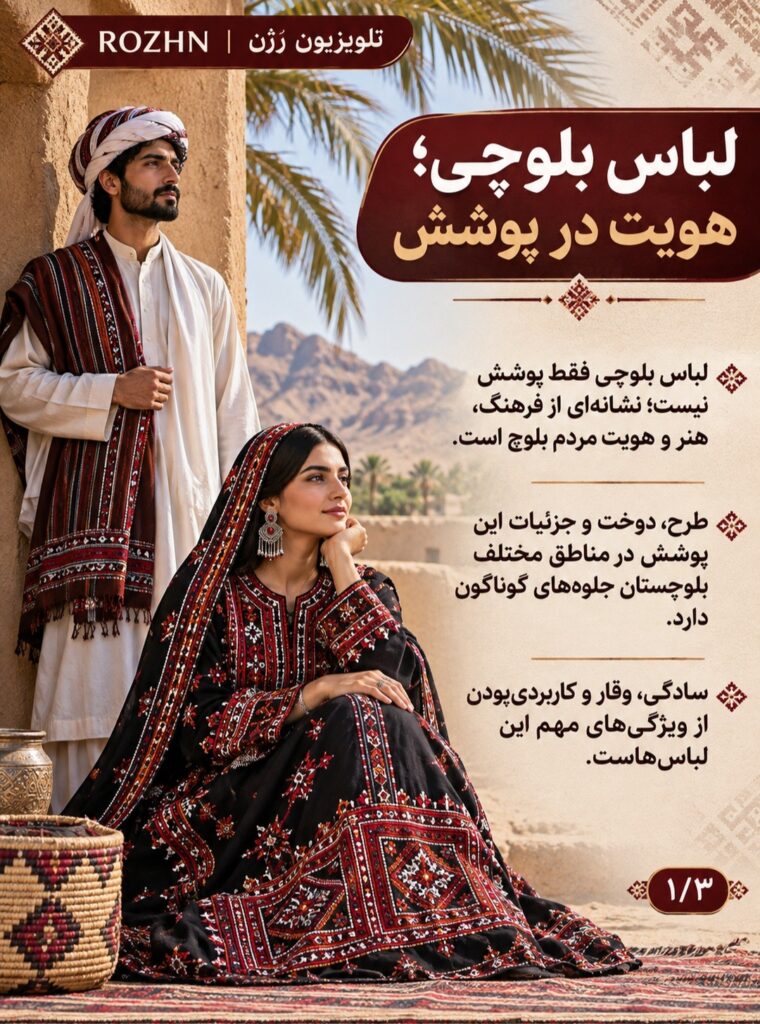
ناصر بلیدهای، دبیرکل حزب مردم بلوچستان، در گفتوگویی با استودیو نور، یورش خونین به روستای گونیچ را ادامه سیاستهای تاریخی سرکوب زنان بلوچ دانست. او گفت از دوره صفویه و بهویژه قاجار، تجاوز به زنان بلوچ بخشی از راهبرد نظامی برای تحقیر و سلطه بر بلوچستان بوده است. بلیدهای با استناد به نوشتههای باستانی پاریزی، تأکید کرد که در دوره قاجار، این خشونت حتی مورد تشویق قرار میگرفت. وی حمله اخیر به گونیچ را حلقهای از زنجیره نسلکشی پنهان و دشمنی ساختاری حاکمان تهران با ملت بلوچ توصیف کرد. او خواستار اتحاد تمام گروههای تبعیدی، فارغ از اختلافات مذهبی و سیاسی، در برابر این خشونت فراگیر شد. بلیدهای گفت نخستین قربانیان این سرکوب همواره زنان بودهاند؛ از صفویه تا ولایت فقیه.
ENNaser Balidehi: Violence Against Baloch Women Has Historical Roots From the Safavids to the Islamic RepublicRead in English
Naser Balidehi, secretary-general of the Balochistan People’s Party, in an interview with Studio Nour, described the bloody raid on the village of Gonich as a continuation of the historical policies of suppressing Baloch women. He said that since the Safavid era, and especially the Qajar era, the rape of Baloch women has been part of a military strategy to humiliate and dominate Balochistan. Citing the writings of Bastani Parizi, Balidehi stressed that in the Qajar period this violence was even encouraged. He described the recent attack on Gonich as a link in a chain of hidden genocide and the structural enmity of Tehran’s rulers toward the Baloch nation. He called for the unity of all exile groups, regardless of religious and political differences, against this widespread violence. Balidehi said women have always been the first victims of this repression, from the Safavids to the rule of the jurist (velayat-e faqih).