بلوچستان · ویدیو
میراث فرهنگی و جایگاه حقوقی کمالخان هوت در موسیقی بلوچی
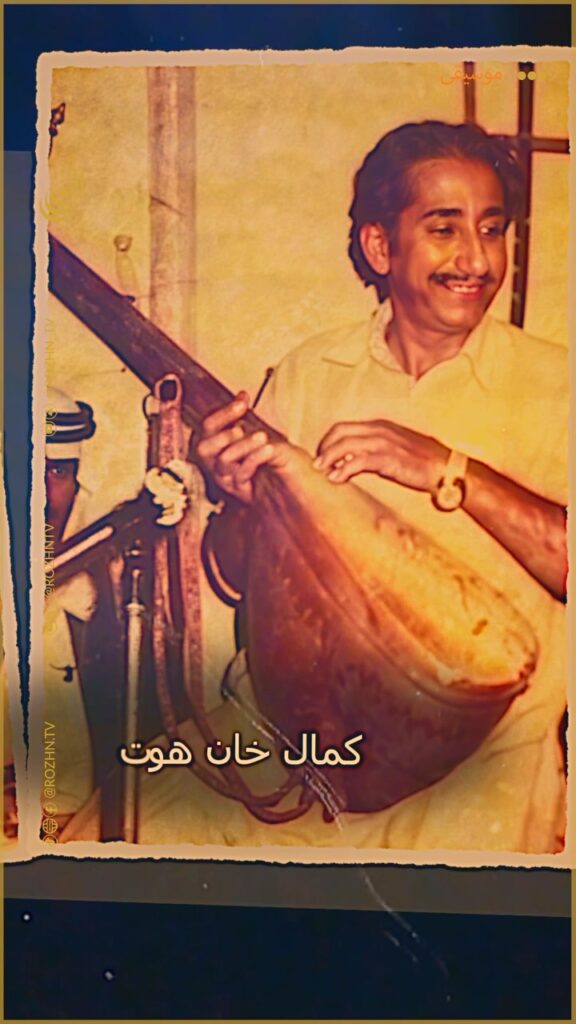
کمالخان هوت، از برجستهترین چهرههای موسیقی بلوچی، نهتنها یک هنرمند، بلکه نماد فرهنگی و حافظ بخشی از میراث ناملموس جنوب شرق ایران بود. وی در ۹ شهریور ۱۳۲۰ در روستای لاتیدان از توابع چابهار چشم به جهان گشود و در ۲۰ بهمن ۱۳۸۸ در سن ۶۸ سالگی درگذشت. آثار او بر پایهی ساز سنتی “تنبورک” و اشعار بلوچی شکل گرفته و تا امروز در حافظهی جمعی مردم بلوچ زنده مانده است.
جایگاه حقوقی آثار و شخصیت او در چارچوب حقوق فرهنگی
براساس ماده ۲۷ اعلامیه جهانی حقوق بشر و ماده ۱۵ میثاق بینالمللی حقوق اقتصادی، اجتماعی و فرهنگی (ICESCR)، هر فرد و جامعهای حق مشارکت در زندگی فرهنگی و بهرهمندی از میراث هنری خود را دارد. کمالخان هوت، به عنوان یک حامل فرهنگی، سهم بزرگی در پاسداشت موسیقی بومی بلوچ ایفا کرده و آثارش مصداق میراث معنوی در خطر محسوب میشوند.
در همین راستا، مطابق با کنوانسیون ۲۰۰۳ یونسکو برای پاسداری از میراث فرهنگی ناملموس، آثار و سبک موسیقایی وی میتواند در فهرست ثبت میراث منطقهای یا ملی قرار گیرد. این اقدام نهتنها موجب شناسایی رسمی او میشود، بلکه میتواند زمینهساز حمایت قانونی و برنامهریزی آموزشی برای حفظ و انتقال آن به نسلهای بعد گردد.
تحلیل روزنامهنگارانه: صدا و سکوت یک نسل
کمالخان هوت، صدای نسلهایی بود که در حاشیه زیستهاند؛ اما در اوج هنر زیبا سخن گفتهاند. موسیقی او روایتگر درد، مهاجرت، عشق، زندگی روزمره و فرهنگ مردمی بلوچ بود. با وجود نبود پلتفرمهای رسمی برای ثبت و ترویج آثار او، صدایش در مراسم محلی، نوارهای ضبطشده خانگی و حافظهی مردم باقی مانده است. رسانههای رسمی اما کمتر به این چهرههای بومی پرداختهاند.
در شرایطی که توسعهگرایی مدرن در حال تغییر ساختارهای اجتماعی و فرهنگی بلوچستان است، میراثدارانی چون کمالخان هوت نقش سپر فرهنگی را ایفا میکردند. حذف، نادیدهگرفتن یا آرشیو نشدن چنین چهرههایی، برابر است با از دست دادن بخشی از تاریخ شفاهی ایران.
نتیجهگیری و پیشنهادات
کمالخان هوت نهفقط یک موسیقیدان، بلکه معلمی فرهنگی بود که با صدای خود، فرهنگ یک ملت را حفظ کرد. شناسایی رسمی آثار او بهعنوان میراث ناملموس بلوچها، انتشار دیجیتال آثار باقیمانده و آموزش موسیقی بلوچی در مناطق محلی، گامهایی اساسی برای تداوم صدای اوست.
در مواجهه با جهانیسازی، فراموشی زبانهای محلی و فقر فرهنگی-اقتصادی، حفظ آثار کمالخان هوت، یعنی دفاع از حق مردم بلوچ برای تعریف خود، تاریخ خود و آینده خود.
ENKamal Khan Hoot’s Cultural Heritage and Legal Standing in Baloch MusicRead in English
Kamal Khan Hoot, one of the most prominent figures of Baloch music, was not only an artist but a cultural symbol and a guardian of part of the intangible heritage of southeastern Iran. He was born on August 31, 1941, in the village of Latidan, in Chabahar County, and died on February 9, 2010, at the age of 68. His works are based on the traditional instrument the “tanbourak” and Baloch poetry, and live on to this day in the collective memory of the Baloch people.
The legal status of his works and persona within the framework of cultural rights
Under Article 27 of the Universal Declaration of Human Rights and Article 15 of the International Covenant on Economic, Social and Cultural Rights (ICESCR), every individual and community has the right to take part in cultural life and to enjoy their artistic heritage. Kamal Khan Hoot, as a cultural bearer, played a major role in safeguarding indigenous Baloch music, and his works are considered instances of endangered intangible heritage.
Accordingly, under the 2003 UNESCO Convention for the Safeguarding of the Intangible Cultural Heritage, his works and musical style could be placed on a regional or national heritage register. This would not only bring him formal recognition but could also lay the groundwork for legal protection and educational planning to preserve it and pass it on to future generations.
Journalistic analysis: The voice and silence of a generation
Kamal Khan Hoot was the voice of generations who have lived on the margins but spoken beautifully at the height of their art. His music narrated pain, migration, love, daily life and the folk culture of the Baloch. Despite the absence of official platforms for recording and promoting his works, his voice has endured at local ceremonies, on homemade recorded tapes and in people’s memory. Official media, however, have paid little attention to such native figures.
At a time when modern developmentalism is changing the social and cultural structures of Balochistan, heritage bearers such as Kamal Khan Hoot served as a cultural shield. The removal, neglect or non-archiving of such figures amounts to losing part of Iran’s oral history.
Conclusion and recommendations
Kamal Khan Hoot was not just a musician but a cultural teacher who preserved a nation’s culture with his voice. Official recognition of his works as the intangible heritage of the Baloch, digital publication of the remaining works, and teaching Baloch music in local areas are fundamental steps toward sustaining his voice.
In the face of globalization, the forgetting of local languages and cultural-economic poverty, preserving the works of Kamal Khan Hoot means defending the right of the Baloch people to define their own identity, their own history and their own future.