بلوچستان · ویدیوگزارش بلند
ملا فاضل نامی جاودانه در ادبیات بلوچی
به گزارش تلویزیون رُژن | جمعه ۱۴ شهریور ۱۴۰۴ خورشیدی / ۵ سپتامبر ۲۰۲۵ میلادی
تلویزیون رُژن در تلاشی فرهنگی و آموزشی، اقدام به بازآفرینی برخی از طرحها و اسکچهای قدیمی مربوط به چهرههای برجسته و افسانههای بلوچ کرده است. هدف ما از این کار، زنده نگاه داشتن میراث فرهنگی و ادبی بلوچستان و آشنا ساختن نسل جوان با بزرگان و اسطورههای این سرزمین است.
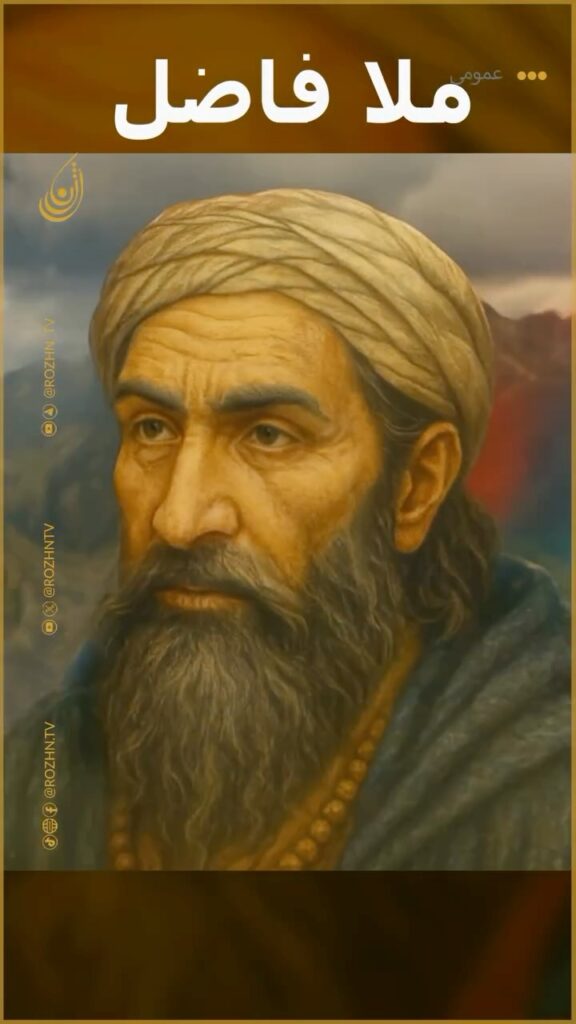
تصویری که مشاهده میکنید بازآفرینی هنری با بهرهگیری از فناوری هوش مصنوعی از ملا فاضل، یکی از نامهای ماندگار در تاریخ و ادبیات بلوچی است. این اثر صرفاً جنبهی آموزشی و فرهنگی دارد و تلاشی است برای پیوند گذشته با امروز، تا نسل کنونی بتواند بهتر و عمیقتر با تاریخ و هویت خویش آشنا شود.
ملا فاضل، چهرهای ماندگار در ادبیات بلوچی
ادبیات هر ملتی بدون حضور شخصیتهای بزرگ نمیتواند جایگاه تاریخی خود را به درستی پیدا کند
ادبیات بلوچی نیز با تلاش و کوشش اندیشمندان و شاعران آن مسیر پیشرفت را پیموده است
یکی از برجستهترین نامها در این عرصه ملا فاضل است که در دورهای سخت جان تازهای به زبان و ادبیات بلوچی بخشید
بر اساس روایتها او در حدود سال ۱۲۰۰ هجری قمری در منطقه مند دیده به جهان گشود
نام پدرش چاوَش فرزند جنگیان بود
خانوادهاش ابتدا در روستای سولدان ساکن بودند و سپس به قصومی چاٹھ در کوهستانهای شمالی مند مهاجرت کردند
داستانی مشهور درباره تولد ملا فاضل در میان مردم نقل شده است
مادرش پیش از زایش او خوابی دیده بود که در آن دو ستاره در دستانش نورافشانی میکردند
پیرزنی به نام روزو این خواب را چنین تعبیر کرد که او دو فرزند هوشمند و اثرگذار به دنیا خواهد آورد
این دو فرزند همان ملا فاضل و برادرش ملا قاسم بودند که هر دو با سرودههای ماندگار خود به تاریخ بلوچستان پیوستند
ملا فاضل و ملا قاسم در کودکی چوپان بودند
و روایت شده است که روزی پیرمردی ناشناس به آنها آبی داد که سبب روشنی ذهن و نگاهشان شد
از آن پس اندیشههای تازهای در سرشان شکل گرفت و هر دو مسیر شعر و دانش را پی گرفتند
ملا فاضل با وجود جثهای ضعیف و کوتاه قامت بود اما توانایی سخنوری و هوش سرشارش او را به شخصیتی تأثیرگذار بدل کرد
او زبان بلوچی را با شیوههای تازه و اندیشههای عمیق وارد مرحلهای نو کرد
و در کنار بلوچی به زبانهای فارسی و عربی نیز شعر میسرود
موضوعات اصلی اشعار او عشق، رویدادهای اجتماعی، جنگ، وحدت ملی و دین بود
بخشی از اشعار او به مرور در قالب امثال و حکم بلوچی درآمده است سه کتاب تاکنون درباره زندگی و آثار او گردآوری شده که از جمله میتوان به ”شاپ چراغ” نوشته بشیر احمد و “دراپشوکن سهیل” نوشته فقیر شاد و کتابی درباره زندگیاش نوشته رحیم مهر بلوچ اشاره کرد
ملا فاضل در سال ۱۲۷۰ هجری قمری درگذشت و تاریخ فوت او بر سنگ مزارش حک شده است
متن اصلی (بلوچی) + ترجمه فارسی
مهتری اقراریْ کتگ من گوْن دلبرا مهترِ اقرار من همانند دلبر است
اینچو که بیبی ماهوا کت گون اوْمرا چون بیبی ماهوا در کنار عمراست
بیبی بلقیسا گون سلیمان پیغمبر ا مانند ملکه بلقیس با سلیمان پیامبر است
قندهار باگین شه سلیمت گوْن پیکر ا چون پیکری شاهانه در باغهای قندهار است
قیصرا بهراما جنکت گون سیکر ا چون قیصر و بهرام در میدان نبرد است
سندها جاموطا چون کتا گون رانی بکرا چون بانوی جموط در سرزمین سند همانند ملکهای بکر است
بصروا مریم گون حسن خان جعفرا در بصره چون مریم، همانند حسن خان جعفر است
سیبویا تختا حانی دینار گوْن چاکرا در سیبوی، بر تخت همچون هانی دینار با شکوه است
رندین بی بگرا چون کت گون شاه دخترا چون بیبیگرا در میان شاهزادگان دختر است
باگین کشمیرا سنمبرا گون حیدرا چون صنمبر در باغ کشمیر، با صلابت حیدر است
لکه فرهادا چون کتا گون شیرین روهبرا چون فرهاد در پی شیرین، راهبر عاشقان است
کلمت عنامانی صدوا گون کیبرا چون سخنان عنامان و صدوا با قدرت قیصر است
دشتیاریا میرکلیرا گون حاجرا در دشتیاری، چون میرکلی همانند هاجر است
ملا فاضل — ملا فاضل —
این شعر ستایشی است از معشوق که در آن ملا فاضل زیبایی و فضایل او را با مجموعهای از زنان تاریخی، دینی و اسطورهای مقایسه میکند از جمله ملکه بلقیس، مریم، هانی، شیرین و هاجر در عین حال او معشوق را به قدرت شاهانه، قداست و زیبایی پیوند میزند
این شیوه بیان نشاندهنده سبک شعری ملا فاضل است که در آن میراث فرهنگی، ارجاعات اسلامی، حماسههای فارسی و چهرههای محلی بلوچ را در قالب غزل عاشقانه درهم میآمیزد
ENMulla Fazil, an Immortal Name in Balochi LiteratureRead in English
Rozhn TV | Friday, September 5, 2025
In a cultural and educational effort, Rozhn TV has recreated some old drawings and sketches of prominent Baloch figures and legends. Our aim is to keep the cultural and literary heritage of Balochistan alive and to introduce the younger generation to the great figures and legends of this land.
The image you see is an artistic recreation, made with artificial intelligence technology, of Mulla Fazil, one of the enduring names in the history and literature of Balochi. This work is purely educational and cultural, and is an attempt to link the past with the present so that the current generation can become better and more deeply acquainted with its history and identity.
Mulla Fazil, an Enduring Figure in Balochi Literature
The literature of any nation cannot properly find its historical place without great figures. Balochi literature, too, has advanced through the efforts of its thinkers and poets. One of the most prominent names in this field is Mulla Fazil, who in a difficult era breathed new life into the Balochi language and literature.
According to accounts, he was born around 1200 AH (lunar Hijri) in the Mand region. His father’s name was Chavash, son of Jangian. His family first lived in the village of Soldan and later migrated to Qasumi Chath in the mountains north of Mand.
A well-known story about Mulla Fazil’s birth circulates among the people. Before he was born, his mother had a dream in which two stars shone in her hands. An old woman named Rozu interpreted the dream to mean that she would bear two intelligent and influential children. These two children were Mulla Fazil and his brother Mulla Qasim, both of whom entered the history of Balochistan with their lasting poetry.
As children, Mulla Fazil and Mulla Qasim were shepherds, and it is said that one day an unknown old man gave them water that brightened their minds and vision. From then on, new ideas took shape in their heads, and both pursued the path of poetry and learning.
Although Mulla Fazil was frail and short in stature, his gift for oratory and his abundant intelligence made him an influential figure. He brought the Balochi language into a new stage with fresh methods and deep ideas, and alongside Balochi he also composed poetry in Persian and Arabic. The main themes of his poems were love, social events, war, national unity and religion.
Part of his poetry has gradually become Balochi proverbs and sayings. Three books have so far been compiled about his life and works, including “Shap Chiragh” by Bashir Ahmad, “Drapshokan Suhail” by Faqir Shad, and a book about his life by Rahim Mehr Baloch.
Mulla Fazil died in 1270 AH (lunar Hijri), and the date of his death is carved on his gravestone.
Original text (Balochi) with translation
My chief’s pledge is like that of a beloved.
Like Bibi Mahu beside Omar.
Like Queen Bilqis with the Prophet Solomon.
Like a royal figure in the gardens of Qandahar.
Like Caesar and Bahram on the field of battle.
Like the lady of Jamot in the land of Sindh, like a pure queen.
In Basra like Maryam, like Hasan Khan Jafar.
In Sibi, glorious on the throne like Hani Dinar with Chakar.
Like Bibi Gera among the princesses.
Like Sanambar in the garden of Kashmir, with the dignity of Haidar.
Like Farhad in pursuit of Shirin, a guide of lovers.
Like the words of Anaman and Sadu, with the power of Caesar.
In Dashtiari, like Mirkali, like Hajar.
Mulla Fazil – Mulla Fazil –
This poem is a eulogy of the beloved in which Mulla Fazil compares her beauty and virtues with a series of historical, religious and mythological women, among them Queen Bilqis, Maryam, Hani, Shirin and Hajar. At the same time he links the beloved to royal power, sanctity and beauty.
This mode of expression shows the poetic style of Mulla Fazil, who blends cultural heritage, Islamic references, Persian epics and local Baloch figures in the form of a love ghazal.