مسیرهای زمینی بلوچستان جایگزین فشار بر راههای دریایی شدند
تلویزیون رُژن | پنجشنبه ۱۷ اردیبهشت ۱۴۰۵ / ۷ مه ۲۰۲۶
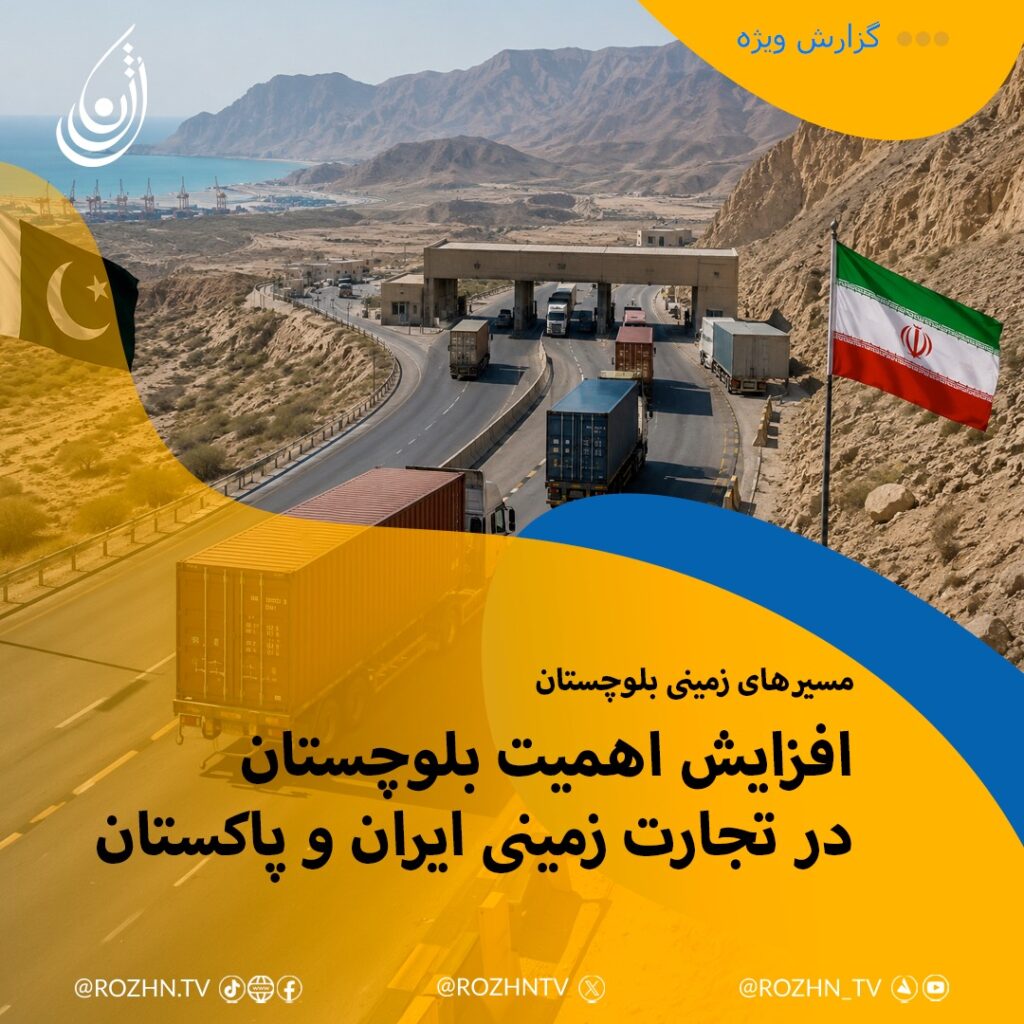
پاکستان شش مسیر زمینی تازه برای انتقال کالا به ایران فعال کرده و این اقدام در حالی انجام میشود که تنشهای منطقهای و اختلال در مسیرهای دریایی خلیج باعث افزایش فشار بر تجارت و انرژی در منطقه شده است
این مسیرها از بندرهای کراچی و گوادر تا گذرگاههای مرزی گبد و تفتان امتداد دارند و بخش بزرگی از آنها از بلوچستان عبور میکند مقامهای پاکستانی هدف این طرح را کاهش ازدحام هزاران کانتینر متوقفشده و تسهیل انتقال کالا میان ایران و پاکستان اعلام کردهاند
مسیر گوادر تا گبد اکنون به عنوان کوتاهترین راه زمینی میان بندر گوادر و مرز ایران معرفی شده و زمان انتقال کالا را به شکل قابل توجهی کاهش میدهد همزمان جادههای ساحلی بلوچستان نیز برای حملونقل تجاری فعالتر شدهاند
افزایش قیمت جهانی نفت و محدودیت در مسیرهای دریایی باعث شده پاکستان با فشار اقتصادی بیشتری روبهرو شود رسانههای اقتصادی پاکستان گزارش دادهاند که هزینه واردات سوخت در ماههای اخیر رشد چشمگیری داشته و دولت به دنبال مسیرهای جایگزین برای تجارت و انرژی است
در همین حال عراق نیز پروژههای زمینی و خطوط لوله تازهای را برای کاهش وابستگی به مسیرهای دریایی خلیج دنبال میکند تحولات تازه نشان میدهد بلوچستان به یکی از مهمترین گذرگاههای ترانزیتی منطقه تبدیل شده و موقعیت جغرافیایی این سرزمین نقش مهمی در تجارت و ارتباطات منطقهای پیدا کرده است
تلویزیون بلوچستان رُژن گزارش میدهد که همزمان با گسترش مسیرهای ترانزیتی در منطقه موضوع توسعه پایدار رعایت حقوق ساکنان محلی و حفظ ثبات اجتماعی نیز مورد توجه قرار گرفته است
ENBalochistan’s Land Routes Take Over as Pressure Mounts on Sea RoutesRead in English
Rozhn TV | Thursday, May 7, 2026
Pakistan has activated six new land routes for moving goods to Iran, at a time when regional tensions and disruption to the Gulf’s sea routes have increased pressure on trade and energy in the region.
These routes run from the ports of Karachi and Gwadar to the Gabd and Taftan border crossings, and a large part of them pass through Balochistan. Pakistani officials have said the aim of the plan is to reduce congestion from thousands of stranded containers and to ease the movement of goods between Iran and Pakistan.
The Gwadar-to-Gabd route is now being presented as the shortest land route between the port of Gwadar and the Iranian border, significantly cutting the transit time for goods. At the same time, Balochistan’s coastal roads have become more active for commercial transport.
Rising global oil prices and restrictions on sea routes have put Pakistan under greater economic pressure. Pakistani business media have reported that the cost of fuel imports has risen sharply in recent months and that the government is seeking alternative routes for trade and energy.
Meanwhile, Iraq is also pursuing new land projects and pipelines to reduce its dependence on the Gulf’s sea routes. The latest developments show that Balochistan has become one of the region’s most important transit corridors and that its geographic position has taken on an important role in regional trade and communications.
Rozhn Balochistan TV reports that as transit routes expand in the region, the issues of sustainable development, respect for the rights of local residents and the preservation of social stability are also receiving attention.