مادر و دختر کجا هستند؟
تلویزیون رُژن | سهشنبه ۷ مهرماه ۱۴۰۵ | ۲۹ سپتامبر ۲۰۲۶
عزیز سنگھور
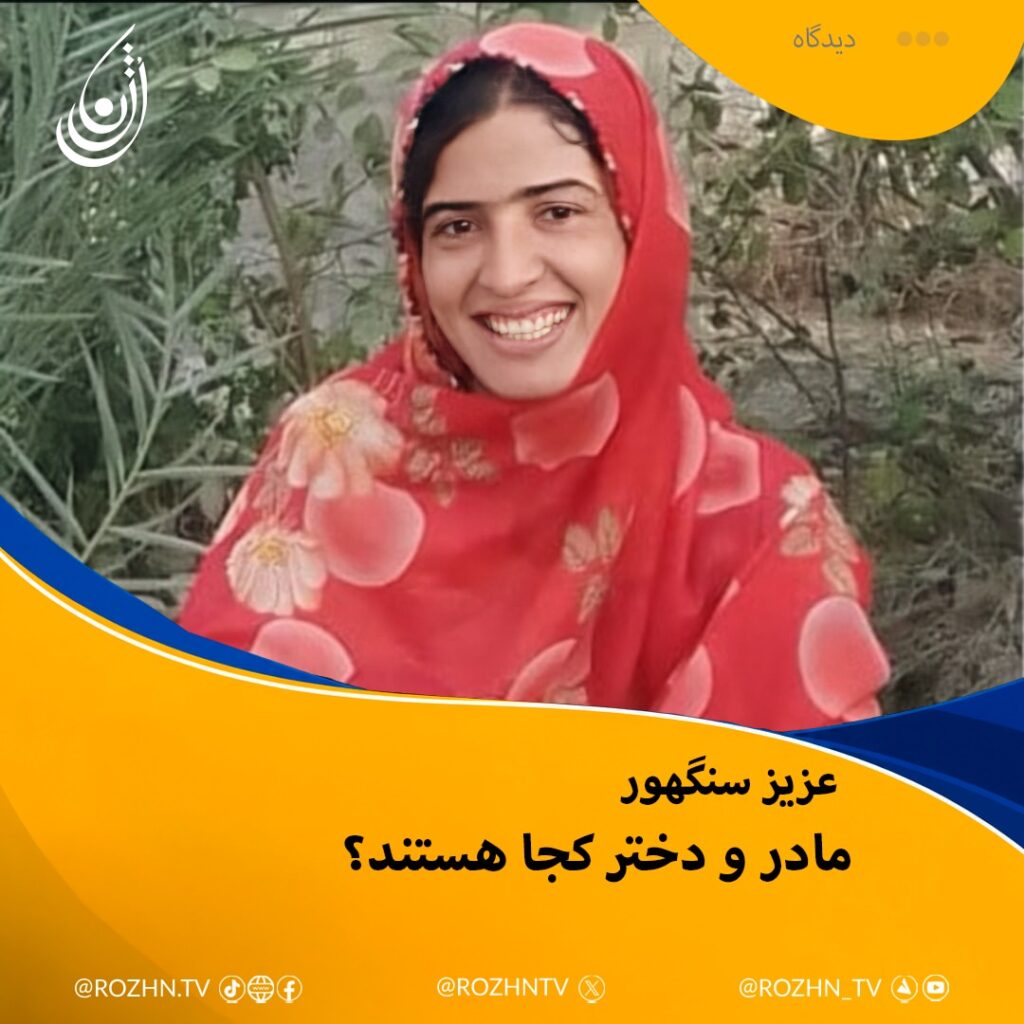
ناپدید شدن هانی بلوچ، ۲۵ ساله، و دختر خردسالش عایشه بلوچ، تصویری دیگر از فاجعهای است که در بلوچستان جریان دارد؛ فاجعهای که در آن دیگر تنها مردان جوان نیستند که با خطر ترس، بازداشت و ناپدیدشدن روبهرو هستند، بلکه زنان و کودکان نیز در معرض چنین وضعیتی قرار گرفتهاند
گزارشهایی منتشر شده است که بر اساس آن، هانی بلوچ و دختر خردسالش عایشه بلوچ شامگاه دوشنبه از خانهشان در منطقه سامیِ کیچ، بهطور ادعایی، ربوده و با خود برده شدهاند به گفته اعضای خانواده، نیروهای امنیتی و عناصر مسلح محلی آنان را با خود بردهاند این اطلاعات تاکنون بهطور مستقل تأیید نشده است
ناپدید شدن یک مادر و دختر خردسالش از خانه، به معنای سپردن تمام اعضای خانواده به بلاتکلیفی، ترس و انتظار است مادر کجاست؟ حال این کودک چگونه است؟ آنها را کجا نگه داشتهاند؟ آیا علیه آنها پروندهای تشکیل شده است؟ اگر چنین است، چرا اطلاعات روشنی درباره وضعیت قضایی آنها منتشر نشده است؟
سازمانهای حقوق بشری بارها درباره ناپدیدشدن اجباری زنان در بلوچستان ابراز نگرانی کردهاند در گزارشی از سوی کمیته همبستگی بلوچ ادعا شده است که در سال ۲۰۲۵ دستکم ۱۲ زن و دختر بلوچ بهطور اجباری ناپدید شدهاند در اسناد و گزارشهای دیگر نیز موارد متعددی از ناپدید شدن زنان و کودکان خردسال در
سال ۲۰۲۶ گزارش شده است
اما پرسش این است که چرا زنان بلوچ به چنین وضعیتی کشانده شدهاند؟
در جوامع سراسر جهان، زن معمولاً با خانه، خانواده و حفاظت از کودکان پیوند خورده است یک مادر برای فرزندش صلح میخواهد امنیت خانهاش را میخواهد
نمیخواهد کودکانش در ترس بزرگ شوند اما هنگامی که در جامعهای خود زن امنیت نداشته باشد، خانهاش در امان نباشد و حتی درباره کودکان نیز این اطمینان وجود نداشته باشد که صبح روز بعد در خانه حضور خواهند داشت یا نه، روانشناسی آن جامعه بهتدریج دگرگون میشود
در بلوچستان، همین پرسش اکنون با نقش سیاسی و مقاومتجویانه زنان بلوچ پیوند خورده است
در سالهای اخیر گزارشهایی درباره مشارکت برخی زنان بلوچ در سازمانهای مسلح بلوچ منتشر شده است در گذشته نقش زنان در جنبش مقاومت بلوچ بیشتر در عرصههای سیاسی، اجتماعی و اعتراضی برجسته بود، اما در سالهای اخیر گزارش شده است که برخی زنان به عضویت سازمانهای مسلح درآمده و در
عملیاتهای نظامی مشارکت کردهاند
قدرت واقعی هر دولت تنها با این سنجیده نمیشود که چند نفر را میتواند بازداشت کند قدرت واقعی زمانی آشکار میشود که دولت تا چه اندازه میتواند به شهروندان خود اطمینان دهد که قانون از آنان حمایت میکند
زنان بلوچ تاریخ طولانیای دارند آنان در اعتراضات دیده شدهاند، در برابر دادگاهها، مقابل باشگاههای مطبوعاتی و در خیابانها، در حالی که تصاویر عزیزان ناپدیدشده خود را در دست داشتهاند اما اگر همین زنان به این احساس برسند که حتی اعتراض، مراجعه به دادگاه و مبارزه سیاسی مسالمتآمیز نیز نمیتواند امنیت آنان را تضمین کند، آنگاه نمیتوان احتمال شکلگیری مسیرهای سختتر در جامعه را نادیده گرفت
در مورد هانی بلوچ و عایشه بلوچ، در حال حاضر مهمترین مطالبه، پیش از هر شعار سیاسی، یک مطالبه انسانی است
مادر و دختر کجا هستند؟
اگر آنها در بازداشت هستند، باید وضعیت قانونی و محل نگهداری آنان روشن شود اگر علیه آنها پروندهای وجود دارد، باید روند قانونی آن مشخص شود اگر اتهامی متوجه آنان است، باید از طریق روند قانونی و قضایی بررسی شود و اگر هیچ مبنای قانونی برای ادامه بازداشت وجود ندارد، باید آزاد شوند
زیرا هنگامی که شهروندان بدون اطلاع روشن خانواده از محل نگهداری و وضعیت قانونیشان ناپدید میشوند، مسئله دیگر تنها مسئله یک خانواده نیست؛ تمام جامعه شروع به پرسیدن میکند
امروز بزرگترین بحران بلوچستان فقط بحران سلاح نیست؛ بحران اعتماد است پاسخ سلاح را میتوان با سلاح داد، اما پاسخ اعتماد تنها عدالت است
ENWhere Are the Mother and Daughter?Read in English
Rozhn TV | Tuesday, September 29, 2026
Aziz Sanghur
The disappearance of Hani Baloch, 25, and her young daughter Ayesha Baloch is another image of the tragedy unfolding in Balochistan, one in which it is no longer only young men who face the threat of fear, detention and disappearance, but women and children as well. Reports have been published according to which Hani Baloch and her young daughter Ayesha Baloch were allegedly abducted and taken away from their home in the Sami area of Kech on Monday evening. According to family members, security forces and local armed elements took them away. This information has not so far been independently verified. The disappearance of a mother and her young daughter from their home means leaving the entire family in uncertainty, fear and waiting. Where is the mother? How is the child? Where are they being held? Has a case been opened against them? If so, why has no clear information been published about their legal status? Human rights organizations have repeatedly expressed concern about the enforced disappearance of women in Balochistan. A report by the Baloch Yakjehti Committee (BYC) claims that at least 12 Baloch women and girls were forcibly disappeared in 2025. Other documents and reports also record numerous cases of the disappearance of women and young children in 2026.
But the question is: why have Baloch women been pushed into such a situation?
In societies around the world, a woman is usually associated with home, family and the protection of children. A mother wants peace for her child. She wants her home to be safe. She does not want her children to grow up in fear. But when, in a society, a woman herself has no security, her home is not safe, and there is not even any certainty that her children will still be at home the next morning, the psychology of that society gradually changes. In Balochistan, this very question is now tied to the political and resistance role of Baloch women.
In recent years, reports have been published about the participation of some Baloch women in Baloch armed organizations. In the past, women’s role in the Baloch resistance movement was most prominent in political, social and protest arenas, but in recent years it has been reported that some women have joined armed organizations and taken part in military operations. The real strength of any state is not measured only by how many people it can detain. Real strength is revealed in how far a state can assure its citizens that the law protects them. Baloch women have a long history. They have been seen at protests, in front of courts, outside press clubs and in the streets, holding pictures of their disappeared loved ones. But if these same women come to feel that even protest, turning to the courts and peaceful political struggle cannot guarantee their security, then the possibility of harder paths emerging in society cannot be ignored. In the case of Hani Baloch and Ayesha Baloch, the most important demand at present, before any political slogan, is a humane one.
Where are the mother and daughter?
If they are in detention, their legal status and place of detention must be made clear. If a case exists against them, its legal process must be specified. If any charge is directed at them, it must be examined through due legal and judicial process, and if there is no legal basis for continuing their detention, they must be released. For when citizens disappear without the family being clearly told where they are held or what their legal status is, the matter is no longer one for a single family; the whole society begins to ask questions. Today, Balochistan’s greatest crisis is not only a crisis of weapons; it is a crisis of trust. The answer to weapons can be given with weapons, but the only answer to a crisis of trust is justice.