قتل بانو و احسان
تلویزیون رُژن | چهارشنبه ۸ مرداد ۱۴۰۴ خورشیدی / ۳۰ ژوئیه ۲۰۲۵ میلادی
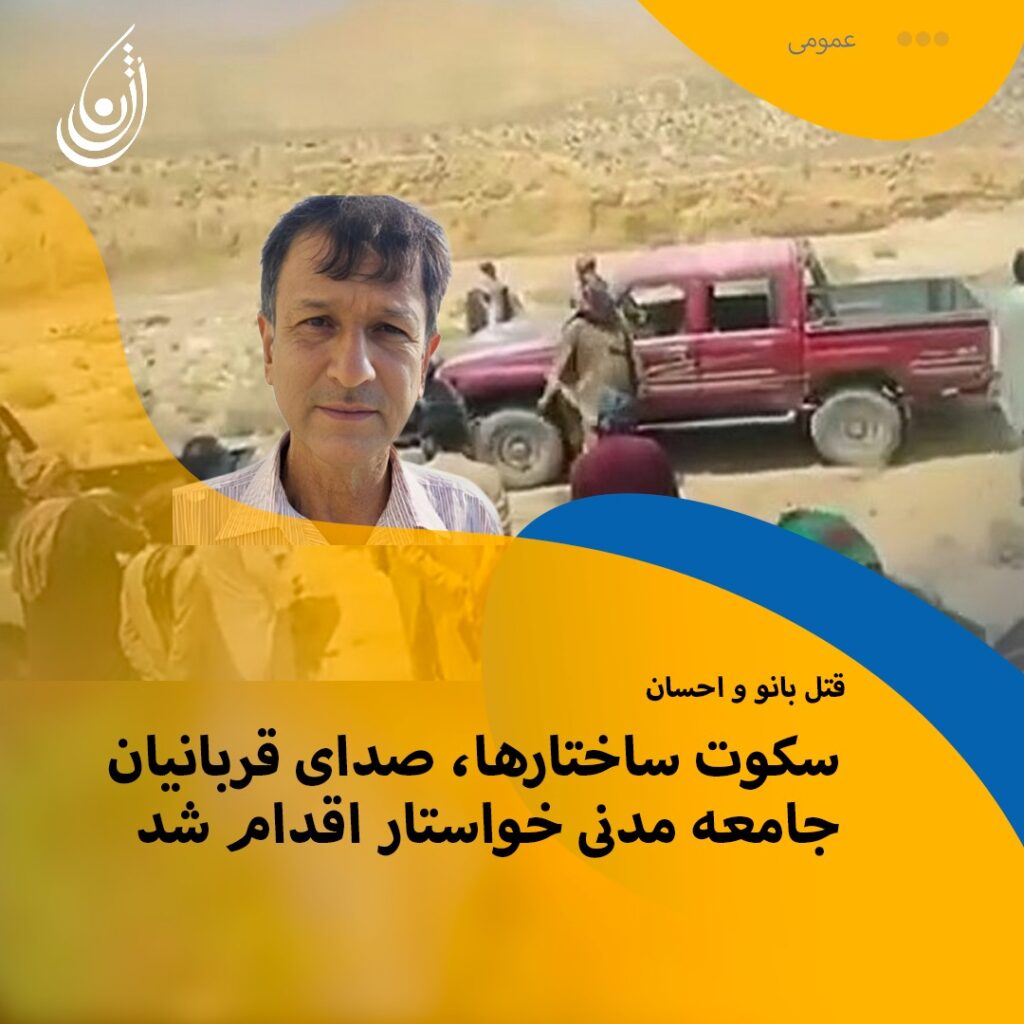
در حاشیه کوههای سنگی بلوچستان، در منطقهای میان کویته و مچ بهنام دِگاری، دو نفر، یک زن بهنام بانو و یک مرد بهنام احسان، در ملاء عام به ضرب گلوله کشته شدند. ویدیویی که از این حادثه در شبکههای اجتماعی منتشر شد، واکنشهای گستردهای را بهدنبال داشت و نهادهای قضایی و امنیتی را به اقدام وادار کرد.
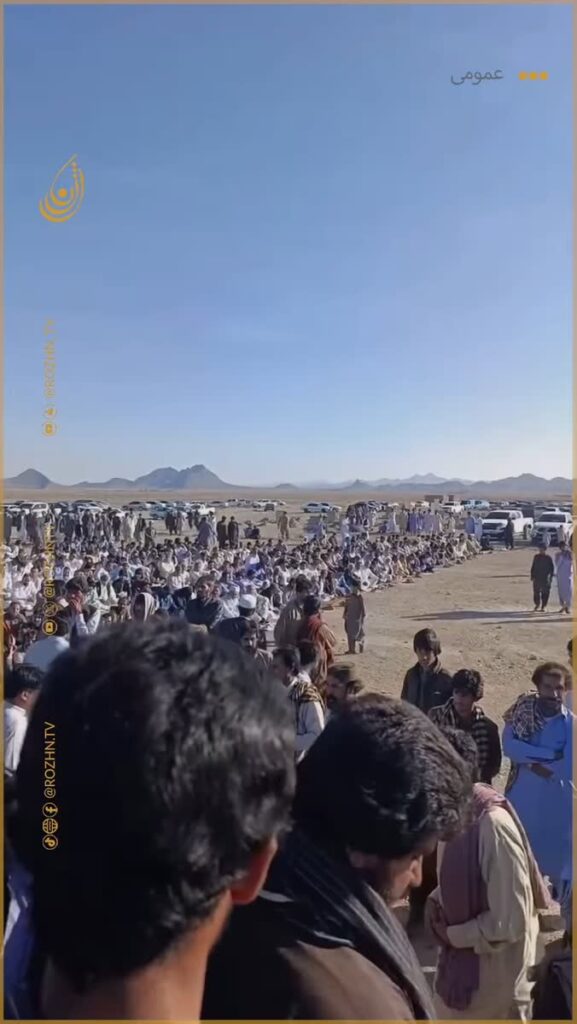
شاهدان گزارش دادهاند که چندین خودرو بهطور ناگهانی در منطقهای دورافتاده توقف کردند، گروهی از مردان با زبان محلی (براهوئی) صحبت میکردند. زنی از یکی از خودروها پیاده شد. طبق گفته منابع محلی، او پیش از تیراندازی نسخهای از قرآن را تحویل داد و گفت: «شما فقط اجازه دارید به من شلیک کنید». لحظاتی بعد، یکی از افراد مسلح با سلاح کمری به سوی این زن تیراندازی کرد. با وجود افتادن بانو بر زمین، شلیکها ادامه یافت. سپس مرد دیگری نیز هدف قرار گرفت و جان باخت.
این حادثه که به ادعای برخی به بهانهی مسائل مربوط به «ناموس» رخ داده، با واکنش صریح تحلیلگران و فعالان حقوقی مواجه شده است. نوراحمد سیاهپاد، روزنامهنگار بلوچ، تأکید کرده است که چنین اقداماتی نه تنها هیچ ریشهای در سنتهای اصیل بلوچ ندارند، بلکه از منظر شرعی، عرفی و قانونی نیز غیرقابل قبول هستند.
او در مصاحبهای گفت: «اگر تاریخ واقعی بلوچها را مطالعه کنیم، روشن میشود که چنین خشونتی هرگز جزئی از فرهنگ ما نبوده است. بلوچها برای حل اختلافات، همواره به جرگهها، شهادتها و رویههای شرعی رجوع میکردهاند، نه اسلحه در ملاء عام».
نوراحمد همچنین نسبت به سوءاستفاده از این حادثه در فضای مجازی ابراز نگرانی کرده و گفته است که برخی از کاربران و تولیدکنندگان محتوا، با بیتوجهی به اصول اخلاقی، از قتل بانو و احسان برای جلب توجه و افزایش بازدید بهرهبرداری کردهاند. او هشدار داده که این اقدام نه تنها به خانواده مقتولین آسیب وارد کرده، بلکه با آبروی قبیله ساتکزئی نیز بازی شده است.
وی پرسیده است: «چرا فقط افراد فقیر و بیدفاع قربانی چنین اتهاماتی میشوند؟ آیا فرزندان مقامات و افراد ثروتمند همگی بیعیب هستند؟»
در سوی دیگر، عزیز سنگھور، نویسنده و تحلیلگر مسائل بلوچستان، این اتفاق را نه یک مسئله فردی، بلکه اقدامی در جهت سرکوب سیاسی زنان بلوچ میداند. او میگوید: «این رویداد، تنها قتل یک زن نبود، بلکه تلاش برای خاموش کردن صدای زنانی است که در خط مقدم مبارزه با ناپدیدسازیها، تبعیض، و بیعدالتی ایستادهاند».
عزیز تأکید میکند که سرداران محلی و ساختارهای سنتی قبیلهای، در پی آناند که زنان را مطیع، منزوی و تابع نگه دارند. در حالی که بسیاری از زنان بلوچ امروز در صف اول اعتراضات مدنی، سیاسی و اجتماعی حضور دارند. او افزود: «همین صدای پیشرو بود که هدف گرفته شد. انتشار ویدیو هم با هدف ایجاد ترس و بازگرداندن زنان به حاشیه صورت گرفت».
بهگفتهی منابع رسمی، پس از انتشار ویدیو، دولت بلوچستان تحقیقات را آغاز کرد. سخنگوی دولت، شاهدرند، در یک نشست خبری در کراچی تأیید کرد که هیچ گزارش رسمی پیش از ویدیو ارائه نشده بود، اما اکنون پرونده بهطور رسمی و به نمایندگی از دولت به جریان افتاده و افراد متعددی از جمله یکی از چهرههای بانفوذ محلی، بازداشت شدهاند.
فعالان مدنی، نهادهای حقوق بشری و گروههای جامعهمدنی در کویته نیز با برگزاری تجمعات، خواستار پایاندادن به نظام جرگهای، برخورد قانونی با عاملان قتل و تضمین امنیت برای زنان بلوچ شدهاند.
با این حال، گزارشها حاکی است که قتلهای مشابه، پس از حادثه دِگاری نیز در مناطق مختلف بلوچستان ادامه یافتهاند.
ENThe Killing of Bano and EhsanRead in English
Rozhn TV | Wednesday, July 30, 2025
On the edge of Balochistan’s rocky mountains, in an area called Degari between Quetta and Mach, two people, a woman named Bano and a man named Ehsan, were shot dead in public. A video of the incident posted on social media provoked widespread reactions and forced judicial and security bodies to act.
Witnesses reported that several vehicles suddenly stopped in a remote area, and a group of men were speaking the local language (Brahui). A woman got out of one of the vehicles. According to local sources, before the shooting she handed over a copy of the Quran and said: “You are only allowed to shoot me.” Moments later, one of the armed men fired at the woman with a handgun. Even after Bano fell to the ground, the shots continued. Then another man was also targeted and died.
The incident, which according to some claims occurred on the pretext of matters relating to “honor,” has met with outspoken reactions from analysts and rights activists. Noor Ahmad Siyahpad, a Baloch journalist, stressed that such acts not only have no root in authentic Baloch traditions but are also unacceptable from religious, customary and legal standpoints.
In an interview he said: “If we study the real history of the Baloch, it becomes clear that such violence has never been part of our culture. To resolve disputes, the Baloch have always turned to jirgas, testimonies and Sharia procedures, not to weapons in public.”
Noor Ahmad also expressed concern about the exploitation of the incident online, saying that some users and content creators, with no regard for ethical principles, have used the killing of Bano and Ehsan to attract attention and boost views. He warned that this has not only harmed the families of the victims but has also played games with the reputation of the Satakzai tribe.
He asked: “Why are only poor and defenseless people made victims of such accusations? Are the children of officials and wealthy people all flawless?”
On the other hand, Aziz Sanghur, a writer and analyst of Balochistan affairs, regards the incident not as an individual matter but as an act of political suppression of Baloch women. He says: “This event was not merely the killing of one woman, but an attempt to silence the voice of women who stand on the front line of the struggle against disappearances, discrimination and injustice.”
Aziz stresses that local sardars and traditional tribal structures seek to keep women obedient, isolated and subordinate, even as many Baloch women today are at the forefront of civil, political and social protests. He added: “It was this pioneering voice that was targeted. The release of the video was also intended to instill fear and push women back to the margins.”
According to official sources, after the video was released the Balochistan government began an investigation. Government spokesman Shah Durrand confirmed at a press conference in Karachi that no official report had been filed before the video, but that the case has now been formally opened on behalf of the government, and several people, including one influential local figure, have been arrested.
Civil activists, human rights bodies and civil society groups in Quetta have also held rallies demanding an end to the jirga system, legal action against the perpetrators of the killing, and guarantees of security for Baloch women.
However, reports indicate that similar killings have continued in various parts of Balochistan after the Degari incident.