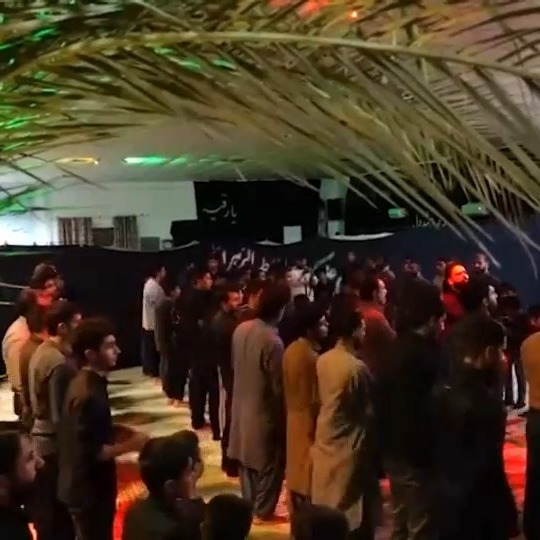
عزاداری برخی از بلوچهای اهل سنت برای آنچه «شهادت حضرت فاطمه» خوانده میشود، در شهر چابهار برگزار شده است.
دوشنبه ۳ آذر ۱۴۰۴ / ۲۴ نوامبر ۲۰۲۵
عبدالستار دوشوکی (مرکز مطالعات بلوچستان ـ لندن)
بر اساس دیدگاه و تحلیلهایی که از سوی برخی پژوهشگران و منتقدان مطرح میشود، موضوع «بازسازی تاریخی» و روایتهایی دربارهی وقایع صدر اسلام همچنان محل اختلاف میان مذاهب مختلف است. این منتقدان میگویند دستگاه تبلیغاتی جمهوری اسلامی در چهار دهه گذشته روایتهایی را برجسته کرده که از سوی بسیاری از علمای اهل سنت پذیرفته نمیشود.
در این میان، آنچه توجه برخی ناظران را جلب کرده، حضور شماری از بلوچهای اهل سنت در مراسمی در چابهار است که با عنوان «شهادت حضرت فاطمه» برگزار میشود؛ روایتی که در آن ادعا شده حضرت عمر به پهلوی حضرت فاطمه ضربه وارد کرده، جنین ایشان (محسن) سقط شده و حضرت علی در خانه بوده اما اقدامی نکرده است. پژوهشگران یادآور میشوند که تعیین جنسیت جنین در قرن اول هجری امکانپذیر نبوده و این موضوع را از منظر تاریخی و علمی قابل بررسی میدانند.
به گفته منتقدان، نگرانی اصلی نه برگزاری مراسم، بلکه حضور برخی مسئولان و تعدادی از چهرههای اهل سنت بلوچ – از جمله برخی مدیران محلی، نمایندگان مجلس و روحانیون نزدیک به حکومت – است که در این برنامهها شرکت کرده و با نوحهخوانی، مداحی، سینهزنی یا ابراز احساسات، همراهی خود را با روایت یادشده نشان دادهاند. این افراد همچنین در مراسم عید غدیر نیز حضور داشته و بر اساس روایت شیعی، جانشینی حضرت علی توسط پیامبر را تأیید کردهاند.
در تحلیلهای منتشرشده اشاره میشود که در زاهدان با جمعیتی نزدیک به یک میلیون نفر، معمولاً کمتر از صد نفر در چنین مراسمهایی شرکت میکنند؛ اما در چابهار گزارشهایی وجود دارد مبنی بر اینکه افراد با فشارهای اداری، وعدههای اقتصادی یا تشویقهای سازمانی به حضور در این برنامهها ترغیب شدهاند. منتقدان میپرسند آیا مبالغی مانند کمکهای بسیج عشایری یا حقوق ماهانه میتواند بر رفتار افراد تأثیر بگذارد، یا اینکه شرایط کلی اجتماعی و سیاسی موجب شده چنین مراسمهایی با مشارکت محدود اما هدفمند برگزار شود؟
این پرسش نیز مطرح میشود که در فضای کنونی جمهوری اسلامی، ارزشهای عمومی و اجتماعی تا چه اندازه نقش تعیینکنندهای در رفتار شهروندان دارند و آیا میتوان شاخص مشخصی برای سنجش انگیزههای افراد در چنین برنامههایی ارائه کرد.
ENSome Sunni Baloch Hold Mourning Ceremony in Chabahar for What Is Called the “Martyrdom of Fatima”Read in English
Monday, November 24, 2025
Abdul Sattar Doshouki (Balochistan Studies Center, London)
According to views and analyses put forward by some researchers and critics, the issue of “historical reconstruction” and the accounts of events from the early days of Islam remain a matter of dispute among the different sects. These critics say that over the past four decades the Islamic Republic’s propaganda apparatus has highlighted narratives that many Sunni scholars do not accept.
Amid this, what has drawn the attention of some observers is the presence of a number of Sunni Baloch at a ceremony in Chabahar held under the title “Martyrdom of Fatima”; a narrative in which it is claimed that Omar struck Fatima in the side, that her unborn child (Mohsen) was miscarried, and that Ali was at home but took no action. Researchers point out that determining the sex of a fetus was not possible in the first century of the Hijri calendar, and they regard this matter as open to historical and scientific examination.
According to the critics, the main concern is not the holding of the ceremony but the presence of some officials and a number of Sunni Baloch figures, including some local managers, members of parliament and clerics close to the government, who have taken part in these events and shown their support for the narrative through lamentation chanting, eulogy recitation, chest-beating or expressions of emotion. These individuals have also attended the Eid al-Ghadir ceremony and, in line with the Shia narrative, have affirmed the Prophet’s appointment of Ali as his successor.
Published analyses note that in Zahedan, with a population of nearly one million, usually fewer than a hundred people attend such ceremonies; in Chabahar, however, there are reports that people have been encouraged to attend these events through administrative pressure, economic promises or organizational incentives. The critics ask whether payments such as aid from the tribal Basij or monthly salaries can influence people’s behavior, or whether the overall social and political conditions have caused such ceremonies to be held with limited but targeted participation.
The question is also raised of how far public and social values play a decisive role in citizens’ behavior in the current climate of the Islamic Republic, and whether any specific indicator can be offered for measuring people’s motivations in such events.