بلوچستانگزارش بلند
عدالت یا حربه سیاسی؟
به گزارش تلویزیون رُژن | جمعه ۷ شهریور ۱۴۰۴ خورشیدی / ۲۹ اوت ۲۰۲۵ میلادی
نویسنده: عزیز سنگھور
دولت فدرال اخیراً اعلام کرده است که برای خانوادههای ناپدیدشدگان اجباری، کمیتهای ویژه جهت ارائهی کمک حقوقی تشکیل میدهد. در ظاهر، این تصمیم یک اقدام «انساندوستانه» به نظر میرسد، اما واقعیت درست برعکس است. این کمیته نه از سر دلسوزی، بلکه برای مقابله با تحصن کمیته همبستگی بلوچ (BYC) در اسلامآباد و خاموش کردن صدای رسانههای جهانی ایجاد شده است.
چندین دهه است که در پاکستان پدیدهی ناپدیدسازی اجباری به واقعیتی دائمی و هولناک بدل شده است. هزاران جوان، سالمند، دانشجو، زن و حتی کودک قربانی این سیاست شدهاند. نهادهای امنیتی متهماند که بدون حکم قضایی شهروندان را ربوده و در بازداشتگاههای مخفی نگه میدارند و بارها اجساد مثلهشدهی آنان در بیابانها پیدا شده است. در این میان، نقش دادگاهها، پارلمان و نهادهای تحقیقی شرمآور و نومیدکننده بوده است.
نظام قضایی پاکستان در رسیدگی به پروندههای ناپدیدشدگان کاملاً ناکام مانده است. بارها دیوان عالی و دادگاههای ایالتی به این موضوع ورود کردهاند، اما هیچگاه احکام صادره اجرا نشده است. قضات غالباً با خانوادهها ابراز همدردی میکنند، ولی از بازخواست نهادهای مسئول خودداری میورزند.
بزرگترین ضعف قوهی قضاییه این است که در برابر محافل قدرتمند ناتوان است. ناپدیدسازی اجباری نهتنها نقض آشکار قانون اساسی است بلکه با قوانین بینالمللی نیز در تضاد است. اما دادگاههای پاکستان یا سکوت میکنند و یا احکامی صادر مینمایند که چیزی جز «عدالت کاغذی» نیست. خانوادهها سالها به دنبال پروندهها میدوند، میلیونها روپیه خرج وکیل میکنند، ولی سرانجام دست خالی بازمیگردند.
دولت سالها پیش کمیسیونی برای رسیدگی به ناپدیدشدگان تشکیل داد. مأموریت آن، تحقیق و تلاش برای آزادی این افراد بود. اما این کمیسیون به یک «فریب» تبدیل شد.
طبق آمار رسمی، هزاران پرونده هنوز مفتوح است. برخی پروندهها «مختومه» اعلام و در بایگانی دفن شدند، در حالی که خانوادهها تأکید دارند عزیزانشان همچنان ناپدیدند. در عمل، این کمیسیون نه درِ عدالت، بلکه یک «ماشین وقتکُشی» است که خانوادهها را سالها گرفتار چرخدندههای بوروکراسی میکند.
بزرگترین ضعف کمیسیون این است که صرفاً به ثبت اظهارات بسنده میکند. خانوادهها را احضار میکند، گاهی درباره بازداشتگاههای احتمالی پرسوجو میکند، اما هیچگاه مقصران اصلی را نه فرا میخواند و نه محاکمه میکند. به این ترتیب، کمیسیون به ابزاری در خدمت تقویت «روایت دولتی» تبدیل شده است.
اکنون این پرسش پیش میآید: وقتی کمیسیون موجود است، چرا دولت فدرال نیاز به کمیتهای تازه تحت عنوان «کمک حقوقی» احساس کرد؟ پاسخ روشن است: برای مقابله با تحصن کمیته همبستگی بلوچ در اسلامآباد.
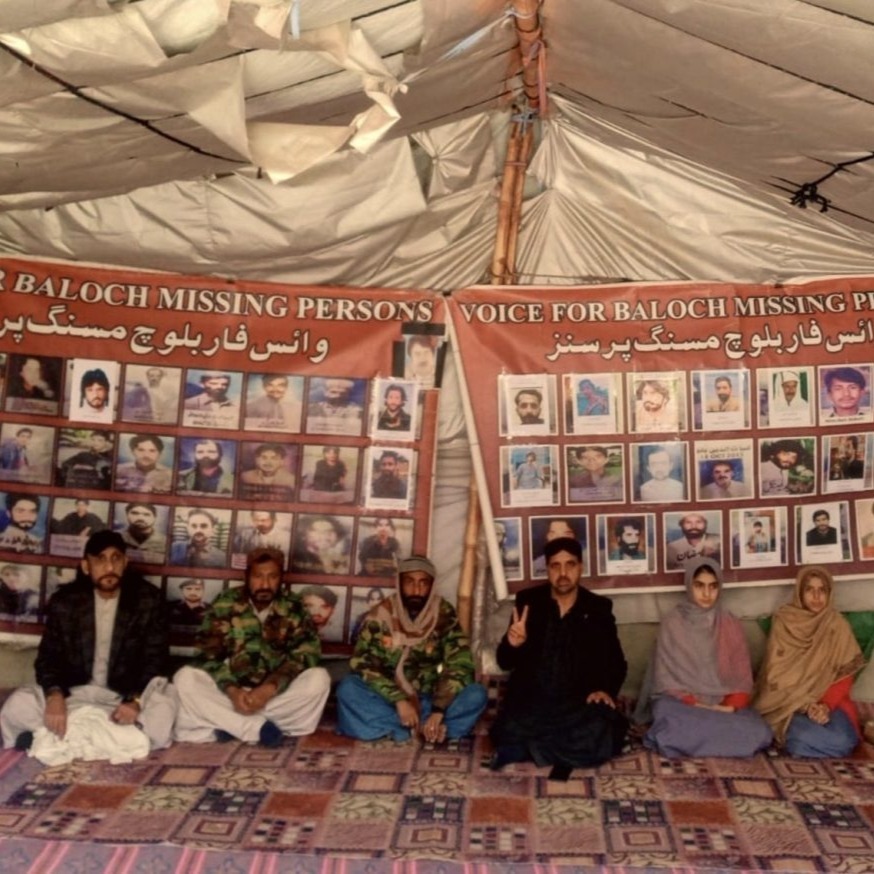
تحصن BYC به نمادی قدرتمند از مقاومت سیاسی و حقوق بشری بدل شده است. در این دھرنا مادران، خواهران و کودکان زیر آسمان باز نشستهاند و تصاویرشان در سطح جهان دستبهدست میشود. جامعه جهانی میبیند که شهروندان پاکستانی چگونه برای عزیزانشان مینالند. این صحنهها روایت دولتی را سست کرده و موجب پرسشگری جهانی شده است.
در چنین شرایطی، دولت با اعلام «کمیته» میکوشد این تصویر را بسازد که گویا کنار خانوادهها ایستاده است. اما حقیقت این است که این اقدام تنها یک «نمایش سیاسی» است تا دنیا را بفریبد که گویا به قربانیان کمک میشود.
این کمیته نیز همچون اقدامات پیشین بیثمر است. دلایل آن روشن است:
1. نهادهای مسئول مصونیت دارند: تا زمانی که دستگاههای امنیتی قدرتمند پاسخگو نشوند، هیچ کمیته یا دادگاهی توانایی اقدام ندارد.
2. محدودیت به قوانین خانواده: طبق اطلاعیه، کمیته صرفاً به پروندههای مرتبط با «حقوق خانواده» در چارچوب کمیسیون رسیدگی میکند. حال آنکه خود کمیسیون ناتوان و جانبدار است.
3. اهداف سیاسی: این کمیته برای التیام دردها نیست، بلکه برای کنترل بحران سیاسی دولت ایجاد شده است.
4. فقدان اعتماد: خانوادههای قربانیان از دادگاهها، پارلمان و کمیسیون ناامیدند. طبیعی است که به کمیتهای تازه نیز اعتماد نکنند.
تحصن اسلامآباد نشان داد که مردم بلوچ دیگر سکوت نمیکنند. این حرکت فقط مربوط به چند خانواده نیست، بلکه صدای جمعی بلوچستان است. به همین دلیل است که دولت گاه از «مذاکره» سخن میگوید و گاه از «کمیتهسازی».
حقیقت این است که دولت به جای بازنگری در سیاستهای خود، با اقدامات موقت میخواهد صدای اعتراض را خاموش کند. اما رهبران BYC و خانوادهها دریافتهاند که همهی این وعدهها «تصمیمات کاغذی» است و هیچ تأثیر عملی ندارد.
اعلام تشکیل «کمیته ویژه» برای خانوادههای ناپدیدشدگان از سوی دولت فدرال، در اصل یک حربهی سیاسی است. این اقدام نه میتواند مرهمی بر زخم خانوادهها باشد و نه ضامن آزادی ناپدیدشدگان. تا زمانی که نهادهای امنیتی پاسخگو نشوند، تا زمانی که دادگاهها عدالت واقعی برقرار نکنند و تا زمانی که جرم سنگین ناپدیدسازی اجباری پایان نیابد، هیچ کمیته یا کمیسیونی درمانگر این زخمها نخواهد بود.
تحصن BYC در اسلامآباد اکنون به مثابه «آیینهای» در برابر پاکستان است. اگر دولت به جای شکستن این آیینه، جرأت نداشته باشد حقیقت خود را در آن ببیند، بحران عمیقتر خواهد شد. تاریخ گواهی خواهد داد که فریاد مادران و خواهران مظلوم هرگز در لابهلای کمیتهها دفن نمیشود، بلکه دیر یا زود به طوفانی بزرگ بدل خواهد شد.
ENJustice or a Political Weapon?Read in English
Rozhn TV | Friday, August 29, 2025
Author: Aziz Sanghur
The federal government has recently announced that it is forming a special committee to provide legal assistance to the families of the forcibly disappeared. On the surface, the decision looks like a “humanitarian” step, but the reality is exactly the opposite. The committee has been created not out of compassion, but to counter the sit-in by the Baloch Yakjehti Committee (BYC) in Islamabad and to silence the voice of the global media.
For decades, enforced disappearance in Pakistan has become a permanent and horrifying reality. Thousands of young men, elderly people, students, women and even children have fallen victim to this policy. Security institutions stand accused of abducting citizens without judicial warrants and holding them in secret detention centers, and mutilated bodies of the victims have repeatedly been found in the wilderness. Throughout this, the role of the courts, parliament and investigative bodies has been shameful and disappointing.
Pakistan’s judicial system has failed completely in handling the cases of the disappeared. The Supreme Court and provincial courts have repeatedly taken up the issue, but the rulings they issued have never been enforced. Judges often express sympathy with the families, but refrain from holding the responsible institutions to account.
The greatest weakness of the judiciary is that it is powerless in the face of powerful circles. Enforced disappearance is not only a flagrant violation of the constitution but also contradicts international law. Yet Pakistan’s courts either remain silent or issue rulings that amount to nothing more than “paper justice.” Families chase their cases for years, spend millions of rupees on lawyers, and in the end return empty-handed.
Years ago, the government set up a commission to look into the disappeared. Its mission was to investigate and work toward the release of these people. But the commission turned into a “deception.”
According to official figures, thousands of cases are still open. Some cases have been declared “closed” and buried in archives, even as families insist that their loved ones are still missing. In practice, this commission is not a door to justice but a “time-killing machine” that traps families in the gears of bureaucracy for years.
The commission’s greatest weakness is that it settles for merely recording statements. It summons families and sometimes asks about possible detention centers, but it never summons or prosecutes the main culprits. In this way, the commission has become a tool serving to reinforce the “state narrative.”
Now the question arises: with the commission already in existence, why did the federal government feel the need for a new committee under the title of “legal assistance”? The answer is clear: to counter the BYC sit-in in Islamabad.
The BYC sit-in has become a powerful symbol of political and human rights resistance. At this sit-in, mothers, sisters and children are sitting under the open sky, and their images are being passed from hand to hand around the world. The international community sees how Pakistani citizens are weeping for their loved ones. These scenes have weakened the state narrative and prompted questions worldwide.
Under these circumstances, by announcing a “committee,” the government is trying to create the impression that it stands beside the families. But the truth is that this move is only a “political show,” meant to deceive the world into believing that the victims are being helped.
Like previous measures, this committee is futile. The reasons are clear:
1. The responsible institutions enjoy immunity: Until the powerful security agencies are held accountable, no committee or court is able to act.
2. Limitation to family law: According to the announcement, the committee will deal only with cases related to “family rights” within the framework of the commission. Yet the commission itself is powerless and partisan.
3. Political goals: This committee was not created to heal pain, but to control the government’s political crisis.
4. Lack of trust: The families of the victims are disillusioned with the courts, parliament and the commission. It is natural that they do not trust a new committee either.
The Islamabad sit-in showed that the Baloch people are no longer staying silent. This movement is not only about a few families; it is the collective voice of Balochistan. That is why the government at times speaks of “negotiation” and at other times of “forming committees.”
The truth is that, instead of revisiting its policies, the government wants to silence the voice of protest with temporary measures. But the BYC leaders and the families have realized that all these promises are “paper decisions” with no practical effect.
The federal government’s announcement of a “special committee” for the families of the disappeared is, in essence, a political weapon. It can neither be a balm for the families’ wounds nor a guarantee of the release of the disappeared. As long as the security institutions are not held accountable, as long as the courts do not establish real justice, and as long as the grave crime of enforced disappearance does not end, no committee or commission will heal these wounds.
The BYC sit-in in Islamabad now stands as a “mirror” before Pakistan. If, instead of breaking this mirror, the government lacks the courage to see its own truth in it, the crisis will deepen. History will bear witness that the cry of oppressed mothers and sisters will never be buried among committees, but sooner or later will turn into a great storm.