شهر سوخته در بلوچستان؛ گواهی بر تمدن کهن و فراموشی معاصر
زابل، بلوچستان | چهارشنبه ۱۰ اردیبهشت ۱۴۰۴
شهر سوخته، یکی از مهمترین محوطههای باستانی جنوب غرب آسیا، در منطقه بلوچستان و در نزدیکی زابل واقع شده است. این شهر با قدمتی بیش از پنج هزار سال، بهعنوان نمادی از تمدن پیشرفته دوران مفرغ شناخته میشود و در فهرست میراث جهانی یونسکو به ثبت رسیده است
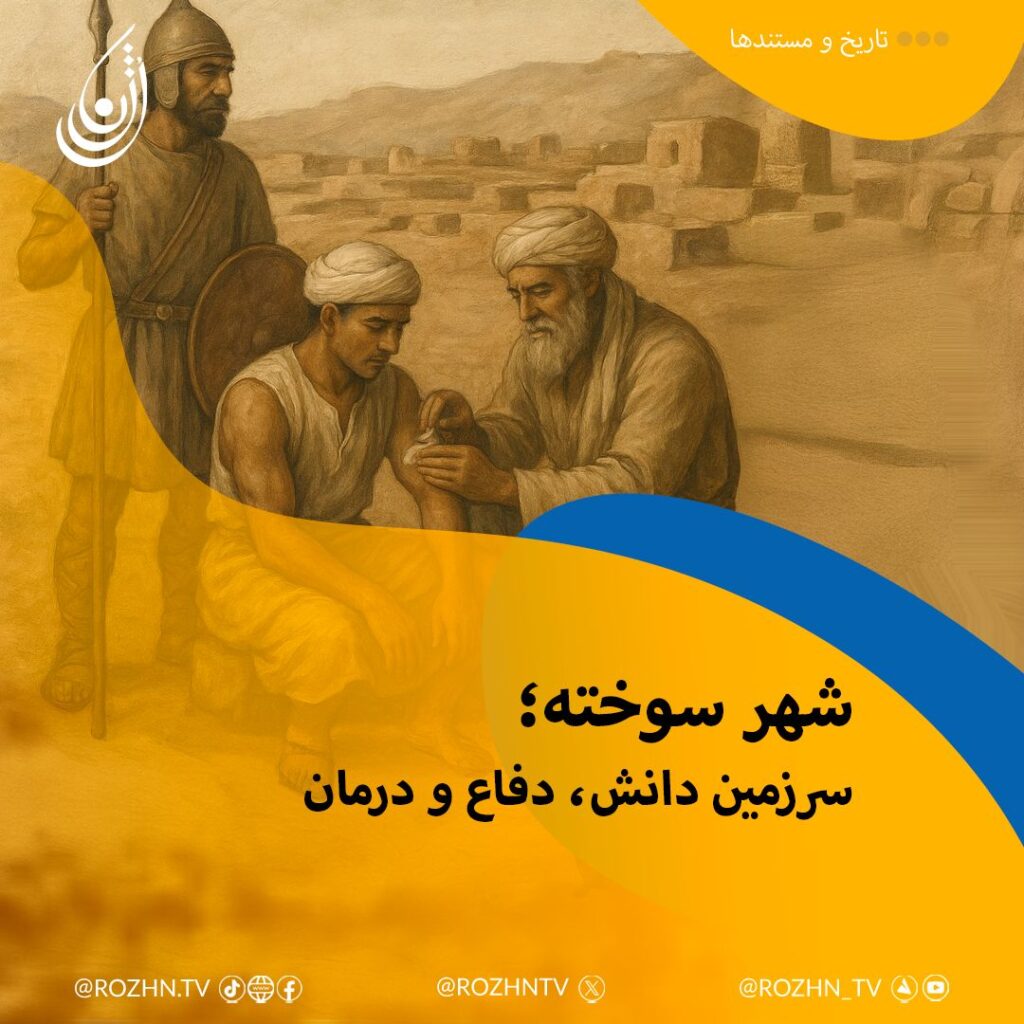
این منطقه شواهدی از جراحی مغز، استفاده از چشم مصنوعی، هنر بافندگی و سفالگری در زمانهای بسیار دور را در خود جای داده است. وجود ساختار اجتماعی پیشرفته، زنان دانشمند و مردان ماهر در دل کویری که امروز از محرومیتهای شدید رنج میبرد، تضاد تلخی را یادآور میشود
در حالیکه بلوچستان با سابقهای درخشان در تمدن بشری روبروست، فقر، تبعیض توسعهای و کمتوجهی مسئولان، چالشهای جدی امروز این استان هستند. بسیاری از جوانان بلوچ تنها در کتابها از تاریخ باشکوه سرزمینشان میخوانند، نه در متن زندگی روزمرهشان
شناخت و احیای شهر سوخته، گامی نمادین در جهت توجه دوباره به ظرفیتهای فرهنگی، انسانی و علمی مردم بلوچ است؛ اقدامی که نیازمند بازنگری جدی در سطح ملی و بینالمللی است
ENShahr-e Sukhteh in Balochistan: Witness to an Ancient Civilization and Contemporary NeglectRead in English
Zabol, Balochistan | Wednesday, April 30, 2025
Shahr-e Sukhteh (the Burnt City), one of the most important ancient sites in southwest Asia, is located in the Balochistan region near Zabol. More than five thousand years old, the city is known as a symbol of the advanced civilization of the Bronze Age and is inscribed on UNESCO’s World Heritage List.
The site holds evidence of brain surgery, the use of an artificial eye, and the arts of weaving and pottery in very ancient times. The existence of an advanced social structure, learned women and skilled men in the heart of a desert that today suffers severe deprivation is a bitter contrast.
While Balochistan has a brilliant record in human civilization, poverty, developmental discrimination and official neglect are the serious challenges facing the province today. Many young Baloch read about the glorious history of their land only in books, not in the fabric of their daily lives.
Recognizing and reviving Shahr-e Sukhteh would be a symbolic step toward renewed attention to the cultural, human and scientific potential of the Baloch people, an undertaking that requires serious reconsideration at the national and international levels.