بلوچستان · ویدیو
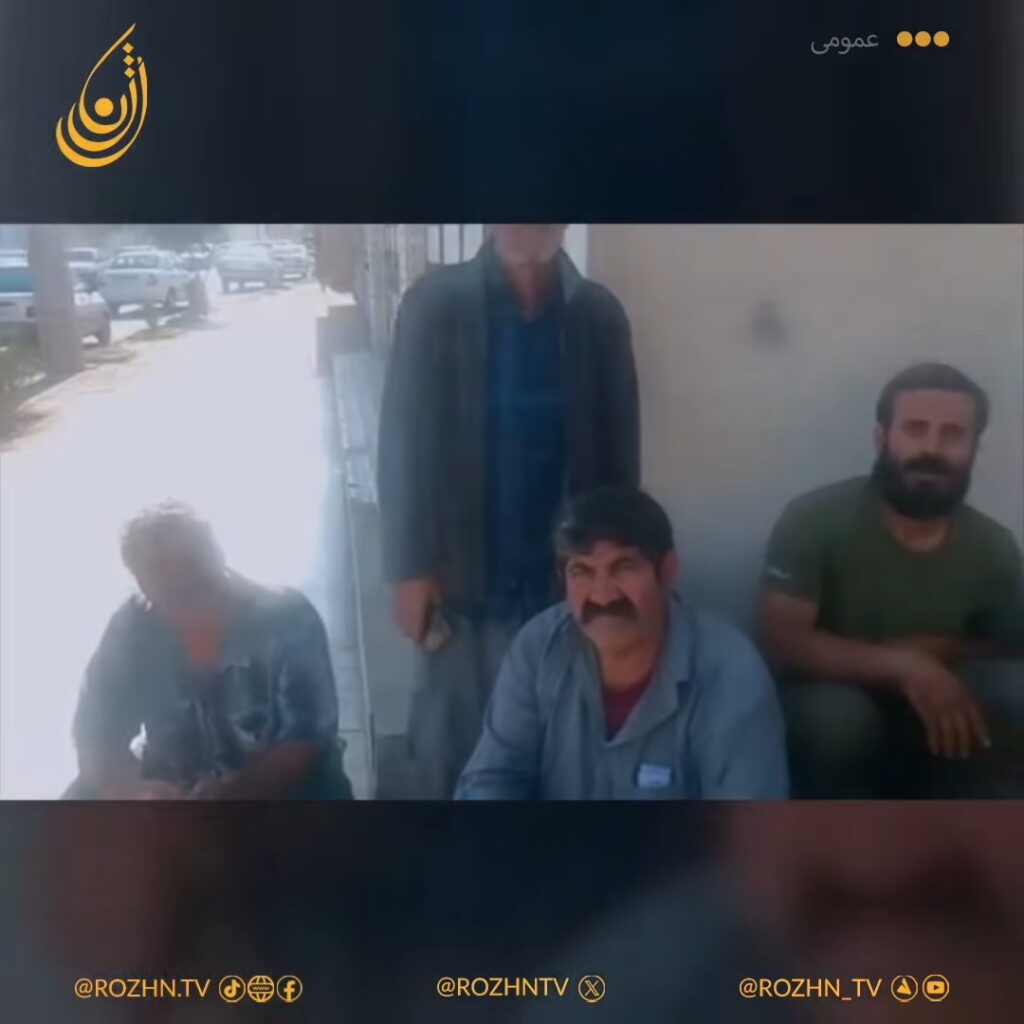
شهروندان بلوچ فاقد شناسنامه، بازداشتشده در خاش و منتقلشده به افغانستان، از وضعیت بحرانی خود خبر دادند
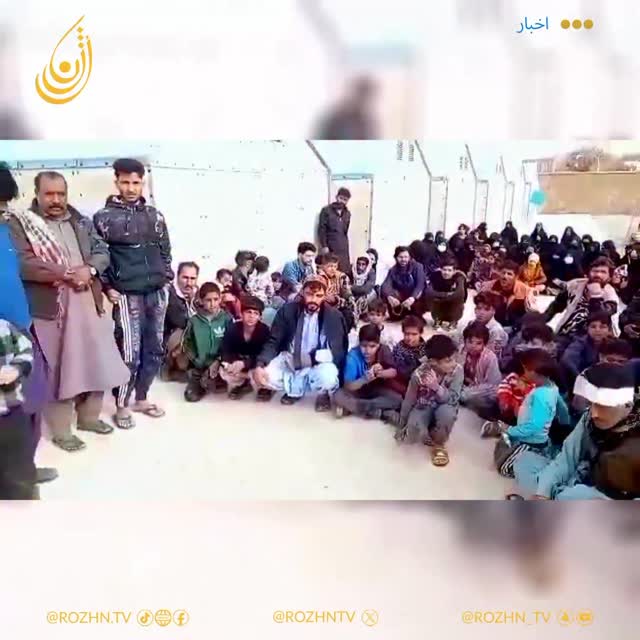
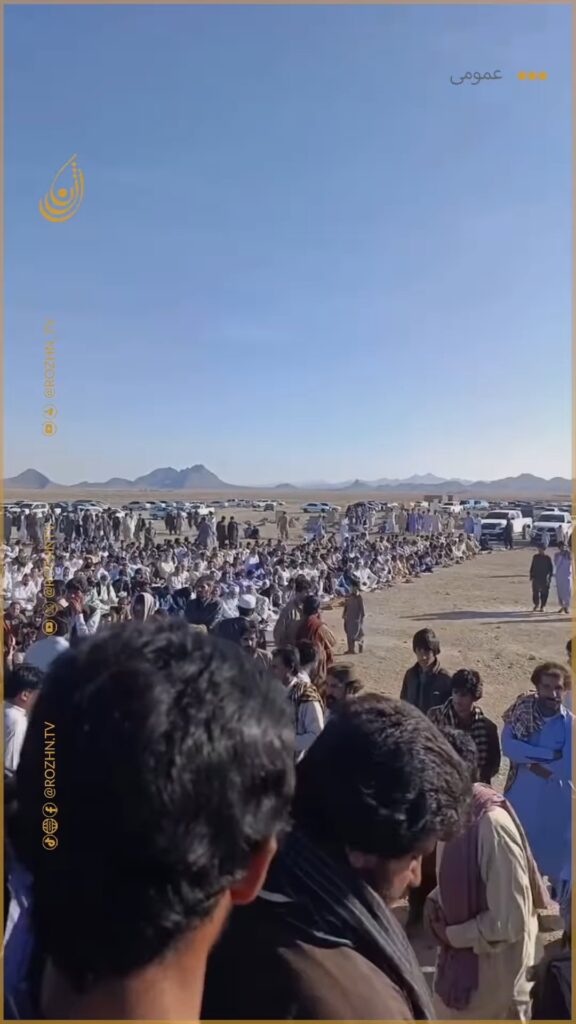
امروز تعدادی از شهروندان بلوچ فاقد شناسنامه که پس از یورش نیروهای نظامی به منطقه پشتکوه شهرستان خاش بازداشت و به آنسوی مرز افغانستان منتقل شدهاند، از وضعیت بحرانی خود خبر داده و از مسئولان درخواست کمک کردهاند. این افراد، عمدتاً از طایفه براهویی، پس از اخراج اجباری در شرایط دشوار و بدون سرپناه رها شده و به بیماریهای مختلف دچار شدهاند.
در عملیات ۴ آبان، بیش از ۱۰۰ نیروی نظامی به بازداشت حدود ۷۰ نفر از جمله زنان و کودکان اقدام کردند. ویدئوهایی از مرز میلک نشان میدهد که این افراد در شرایط نامناسب و بدون دسترسی به آب و غذا نگهداری میشوند و از علما و مردم درخواست کمک کردهاند.
حکومت افغانستان این شهروندان را نپذیرفته و آنها در مناطق مرزی سرگردان ماندهاند. این وضعیت موجب نگرانی فعالان اجتماعی و نشانهای از تبعیض و بیعدالتی علیه بلوچها تلقی میشود. آنان خواستار اصلاح روند صدور اسناد هویتی و پایان دادن به بیتوجهی به این شهروندان هستند.
ENBaloch Citizens Without Identity Documents, Detained in Khash and Transferred to Afghanistan, Report Their Critical SituationRead in English
Today a number of Baloch citizens without identity documents, who were detained after a raid by military forces on the Poshtkuh area of Khash County and taken across the border into Afghanistan, reported their critical situation and appealed to officials for help. These people, mostly from the Brahui tribe, were abandoned in harsh conditions without shelter after their forced expulsion, and have fallen ill with various diseases.
In the operation of 4 Aban (October 26), more than 100 military personnel detained about 70 people, including women and children. Videos from the Milak border show these people being held in unsuitable conditions without access to water and food, and they have appealed to scholars and the public for help.
The Afghan government has not accepted these citizens, and they remain stranded in the border areas. The situation has caused concern among social activists and is seen as a sign of discrimination and injustice against the Baloch. They are calling for reform of the process of issuing identity documents and an end to the neglect of these citizens.