شعر، ادب و زبان بلوچی؛ میراثی تاریخی، فرهنگی و اجتماعی
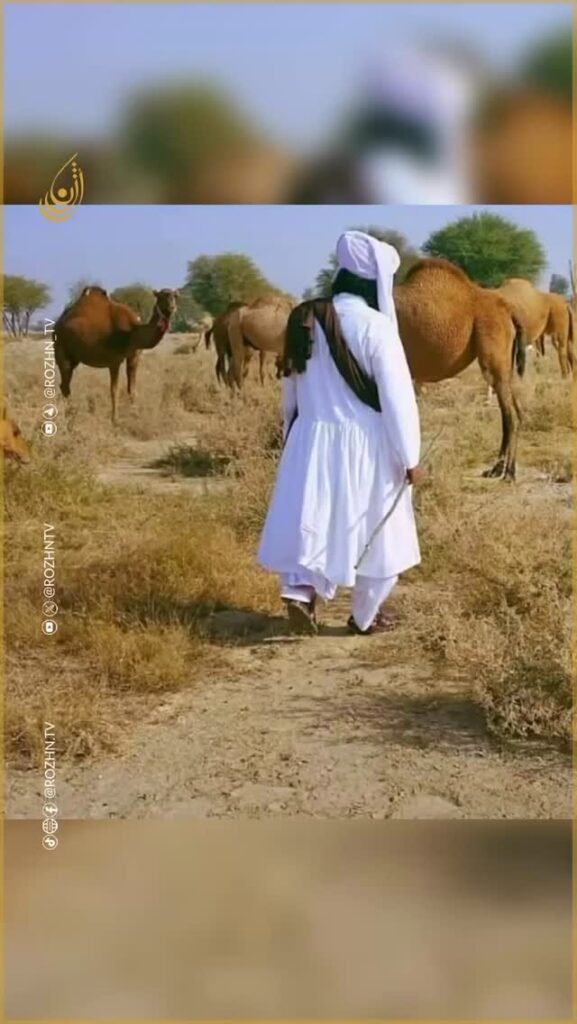
زبان بلوچی، بهعنوان یکی از زبانهای کهن ایرانی، طی قرنها نقش مهمی در حفظ هویت فرهنگی و تاریخی جوامع بلوچ ایفا کرده است. این زبان امروز در بخشهایی از ایران، پاکستان، افغانستان و همچنین در برخی مناطق عمان و ترکمنستان مورد استفاده قرار میگیرد.
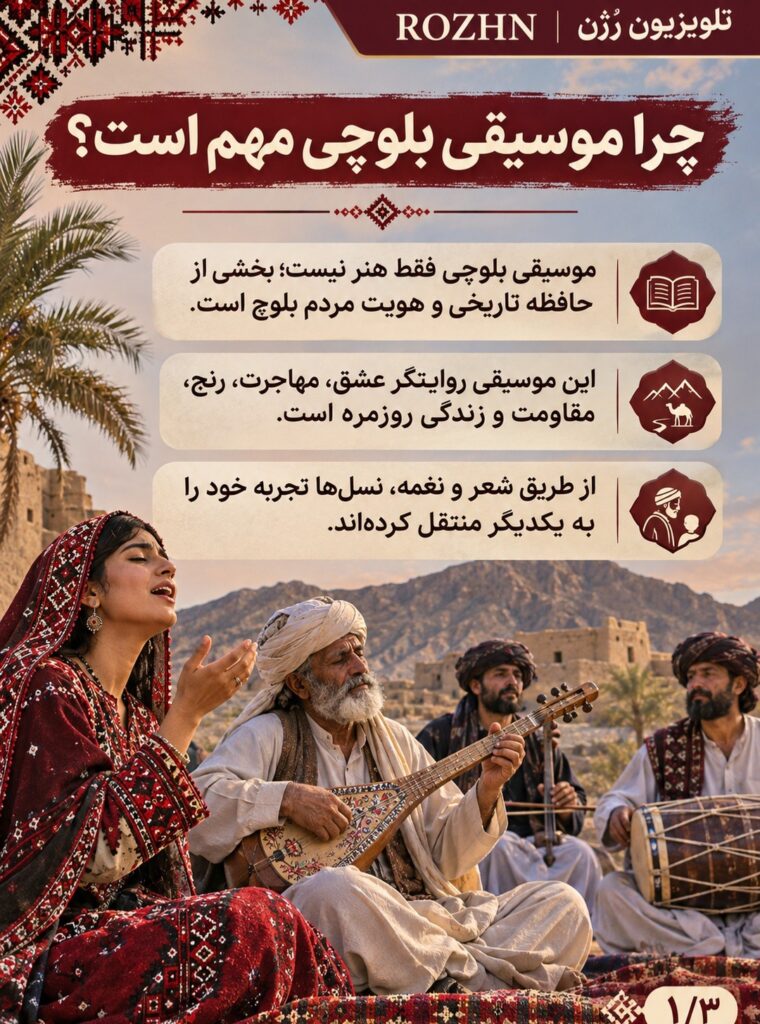
ادبیات و شعر بلوچی از گذشته تاکنون ابزار مهمی برای بیان تجربههای انسانی، انتقال روایتهای تاریخی و بازتاب تحولات اجتماعی در این جوامع بوده است. شاعران برجستهای همچون میر گلخان نصیر و تاج محمد طایر با خلق آثار حماسی، عاشقانه و اجتماعی، سهم قابل توجهی در ثبت و انتقال تاریخ، ارزشها و دغدغههای مردم بلوچ به نسلهای بعد داشتهاند.
در کنار این جریان، حضور شاعران زن بلوچ نیز با وجود چالشها و محدودیتهای اجتماعی، جایگاهی مهم در ادبیات معاصر بلوچی یافته است. آثار این شاعران نقش مؤثری در بازتاب دیدگاهها، مسائل و تجارب زنان در جامعه بلوچ داشته و بخشی از روند تکامل ادبی و فرهنگی این زبان محسوب میشود.
ادبیات بلوچی با تنوع ساختاری و محتوایی خود همچنان از عناصر اصلی هویت فرهنگی مردم بلوچ بهشمار میرود و حفظ، مطالعه و گسترش آن میتواند به تقویت میراث فرهنگی و ارتقای شناخت بینفرهنگی در سطح منطقهای و فرامنطقهای کمک کند.
ENBaloch Poetry, Literature and Language: A Historical, Cultural and Social HeritageRead in English
The Balochi language, as one of the ancient Iranian languages, has played an important role over the centuries in preserving the cultural and historical identity of Baloch communities. Today the language is spoken in parts of Iran, Pakistan and Afghanistan, as well as in some areas of Oman and Turkmenistan.
Balochi literature and poetry have long been an important means of expressing human experience, passing on historical narratives and reflecting social change in these communities. Prominent poets such as Mir Gul Khan Nasir and Taj Mohammad Tayer, through epic, romantic and social works, have made a significant contribution to recording and transmitting the history, values and concerns of the Baloch people to later generations.
Alongside this current, the presence of Baloch women poets, despite challenges and social restrictions, has also found an important place in contemporary Balochi literature. The works of these poets have played an effective role in reflecting the views, issues and experiences of women in Baloch society and are considered part of the literary and cultural evolution of the language.
With its structural and thematic diversity, Balochi literature remains one of the main elements of the cultural identity of the Baloch people, and preserving, studying and expanding it can help strengthen cultural heritage and promote intercultural understanding at the regional and trans-regional levels.