بلوچستانگزارش بلند
شاعر عصر مقاومت
تلویزیون روژن | چهارشنبه ۲۶ شهریور ۱۴۰۴ خورشیدی / ۱۷ سپتامبر ۲۰۲۵ میلادی
عزیز سنگھور
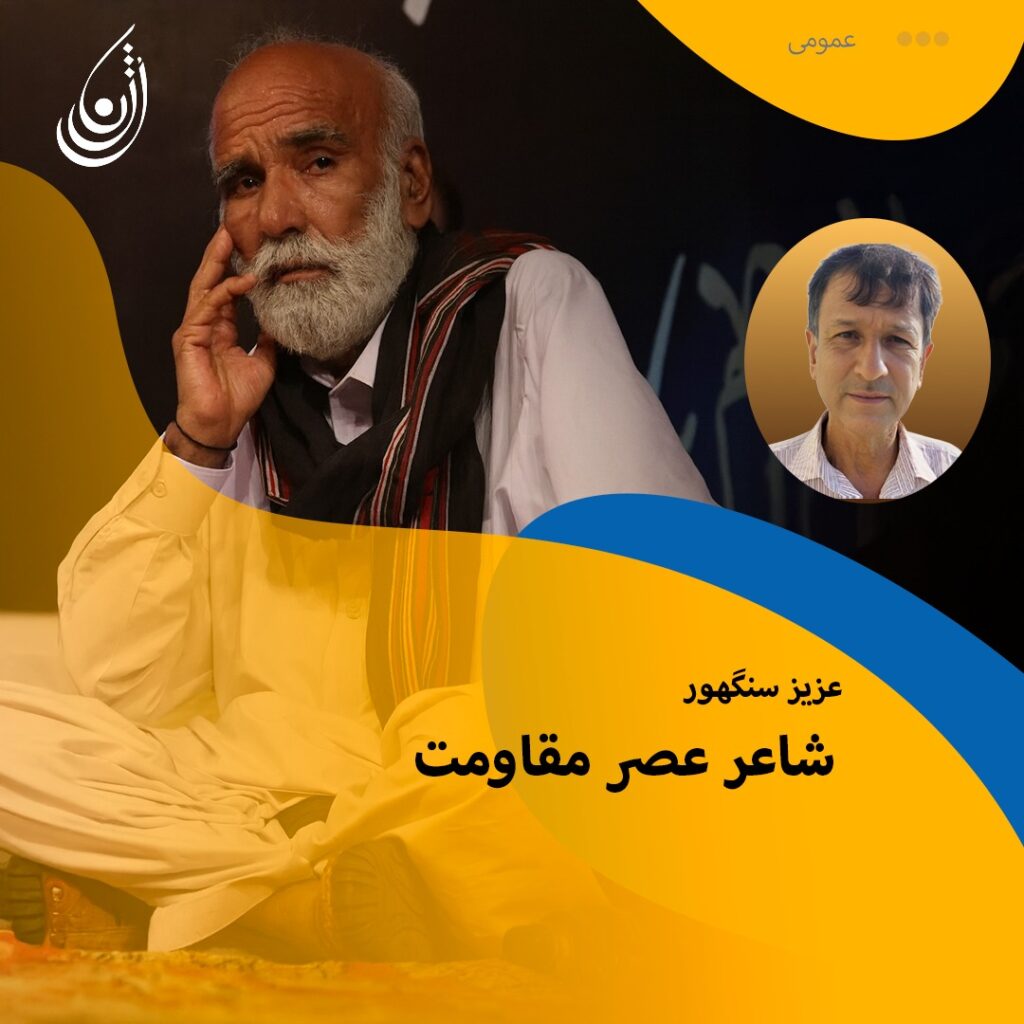
تاریخ ملت بلوچ سرشار از قربانیها، مبارزات و مقاومت است. این ملت همواره برای آزادی، عدالت و کرامت انسانی جانهای خویش را نثار کرده و عشق بیمانندی به خاک خود نشان داده است. در میان این چهرههای جاویدان، نام قاضی مبارک همچون ستارهای درخشان میتابد؛ شاعری بزرگ و انقلابی در زبان بلوچی. قاضی مبارک در ۱۶ سپتامبر ۲۰۲۳ چشم از جهان فروبست، اما شعر، اندیشه و مبارزات او همچنان زندهاند و نسلهای آینده را الهام میبخشند.
قاضی مبارک ملت بلوچ را به سوی آموزش و دانش فراخواند. در اشعار او تنها صدای مقاومت نبود، بلکه رؤیای دگرگونی اجتماعی نیز جاری بود. او درد و رنج ماهیگیران و کشاورزان محروم را بازتاب داد و به آنان فهماند که تنها نیستند. قاضی مبارک شاعر ارزشهای انسانی بود و عدالت اجتماعی را رسالت خویش میدانست. او اندیشهای روشنفکرانه و ترقیخواه داشت و به زبان و ادبیات بلوچی افق تازهای بخشید. سرمایه ادبی او تنها میراثی برای بلوچی نبود، بلکه بخشی از گنجینه ادبیات پاکستان به شمار میرود.
ذکر ادبیات بلوچی بدون نام قاضی مبارک ناقص است. او همچون شیخ ایاز در ادبیات سندی و اجمل ختک در ادبیات پشتو، شاعر نماینده ملت خویش بود. در لحنش هم طنین صاعقهوار انقلاب شنیده میشد و هم نرمی و لطافت رمانتیک. همین ترکیب یگانه سبب شد که اشعارش هم جنبه مردمی داشته باشد و هم ارزش ادبی.
زندگی قاضی مبارک تنها به کاغذ و قلم محدود نماند، بلکه با میدان مبارزه گره خورد. در دوران دیکتاتوری ضیاءالحق، هنگامی که رهبر سازمان دانشجویان بلوچ عبدالحمید بلوچ به سبب اعتراض به جذب جوانان بلوچ در ارتش عمان محکوم به اعدام شد، موج دستگیریها سراسر بلوچستان را در برگرفت. قاضی مبارک در صف نخست این اعتراضات بود و زندان و شکنجههای مچ جیل را تاب آورد؛ تاریکیهایی که عبور از آنها هر کسی را یارای آن نیست.
در آن دوران، سلطان قابوس عمان جوانان بلوچ را به ارتش خود جذب میکرد تا قیام ملت مظلوم عمان را سرکوب کند. سازمان دانشجویان بلوچ در برابر این سیاست ایستاد و اعلام کرد که بلوچ مزدور و سرباز کرایهای نخواهد شد. این نقطه عطفی در تاریخ بود، چراکه ملت بلوچ با رد امتیازات و مقامها، همبستگی خود را با ملت عرب مظلوم نشان داد. در این مبارزه، حمید بلوچ، دانشجوی ۲۲ ساله، دستگیر شد و سرانجام در سال ۱۹۸۱ به دار آویخته شد. این قربانی، شعور ملی بلوچ را آتشینتر ساخت.
قاضی مبارک نه تنها جوانی خود را در این راه نهاد، بلکه در زندگی شخصی نیز قربانی داد. تنها فرزندش، دکتر قمبر بلوچ، زندگی سرمچاری را برگزید و به شهادت رسید. بر دوش کشیدن پیکر فرزند برای هر پدری دشوارترین لحظه است، اما قاضی مبارک با شکیبایی و اراده فولادین این درد را تحمل کرد و همچنان در کنار ملت خود ایستاد.
در اشعار او رنگ مردمی و انقلابی بارز بود. او ندای مظلومان و فریاد محکومان شد. در کنار آوای مقاومت، عشق، زیبایی طبیعت و لطافت زندگی نیز در اشعارش جلوه داشت. او شاعری چندبُعدی بود که با کلمات خود جوانان را به بیداری و ایستادگی فرا میخواند.
او خود گفته بود:
«قدردانی در اینجا شرطی جز مرگ ندارد
قدر تو نیز خواهند دانست، نخست بمیر!»
این ابیات تلخی لحن و حقیقتگرایی او را آشکار میکند.
اولین دیدار من با قاضی مبارک در پسنی، در روزگار دانشجوییام بود. پس از آن بارها او را ملاقات کردم. یک روز در راه از گوادر به پسنی، نیروهای گارد ساحلی ما را متوقف کردند و هویت خواستند. قاضی با غرور گفت: «ما وارثان این سرزمینیم، از وارث هویت بر سرزمینش پرسیده نمیشود.» این جمله نمادی از غرور و وقار ملی او بود.
شبهای مهتابی بر تپههای شنی پسنی و کنار دریای بیکران، با طنین اشعار قاضی و صدای آرام جامها، هنوز در خاطرم زندهاند. ترکیب شنهای طلایی، دریا و شعر قاضی زندگی را معنایی دیگر میبخشید.
پسنی شهر زیبایی و فرهنگ است. از این شهر چهرههای بزرگی برخاستند: شاعر انور صاحب خان، خواننده گل جان گلو، هنرمند نصیر پسنی والا، بازیگر انور اقبال و دیگران. انور صاحب خان نه تنها شاعر، بلکه نمایشنامهنویسی مردمی بود که رنج ماهیگیران را بر صحنه میآورد. قاضی مبارک و انور صاحب خان هر دو دوستان نزدیک من بودند و خاطرات با آنان همچنان زنده است.
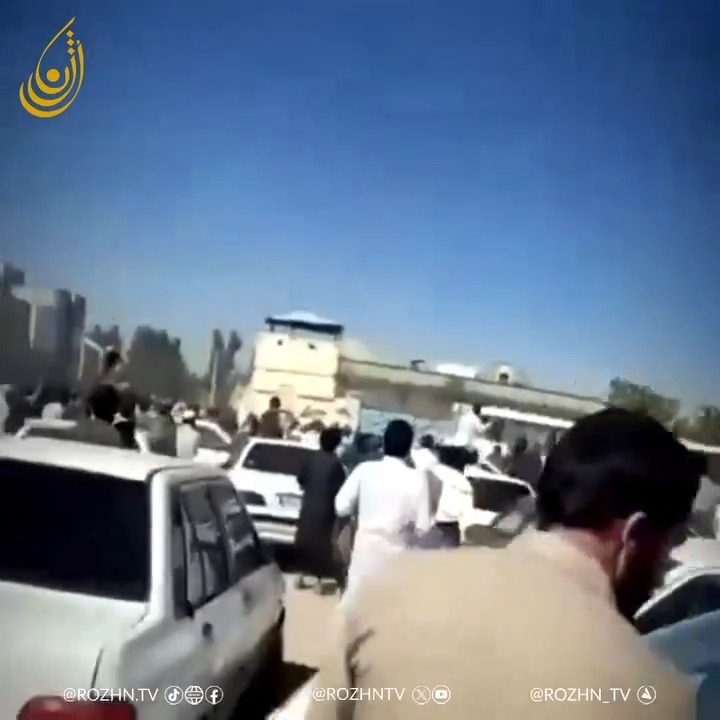
قاضی مبارک روزهای پایانی زندگی را در منطقه سنگانی سرِ تربت گذراند و در ۱۶ سپتامبر ۲۰۲۳ از میان ما رفت. پیکرش از تربت به پسنی در قالب کاروانی باشکوه آورده شد. خیابانهای پسنی غرق سوگ شدند و سراسر بلوچستان در ماتم فرو رفت. ملت بلوچ قهرمان و شاعر انقلابی خویش را از دست داد.
شعر قاضی مبارک تنها ادبیات نیست، بلکه تاریخ است؛ تاریخی از فریاد، بیداری و ایستادگی. او مشعلی است برای نسلهای آینده که راه مقاومت و آزادی را روشن میسازد. مرگش تکاندهنده بود، اما اندیشه و سرودههایش جاویدان خواهد ماند. امروز وقتی به پسنی مینگرم، تپههای شنی و ساحل مرا به یاد قاضی مبارک و انور صاحب خان میاندازند. هر دو دیگر نیستند، اما یادشان و کارشان همیشه زنده خواهد بود.
به هر دو، سلام سرخ من!
ENThe Poet of the Age of ResistanceRead in English
Rozhn TV | Wednesday, September 17, 2025
Aziz Sanghur
The history of the Baloch nation is full of sacrifices, struggles and resistance. This nation has always given its lives for freedom, justice and human dignity and has shown unparalleled love for its land. Among these immortal figures, the name of Qazi Mubarak shines like a bright star: a great, revolutionary poet in the Balochi language. Qazi Mubarak departed this world on September 16, 2023, but his poetry, thought and struggles remain alive and inspire future generations.
Qazi Mubarak called the Baloch nation toward education and knowledge. In his poems there was not only the voice of resistance; the dream of social transformation also flowed through them. He reflected the pain and suffering of deprived fishermen and farmers and made them understand that they were not alone. Qazi Mubarak was a poet of human values and regarded social justice as his mission. He had an enlightened and progressive outlook and gave the Balochi language and literature a new horizon. His literary capital was not only a legacy for Balochi but is counted as part of the treasury of Pakistani literature.
To mention Balochi literature without the name of Qazi Mubarak is incomplete. Like Sheikh Ayaz in Sindhi literature and Ajmal Khattak in Pashto literature, he was a poet who represented his nation. In his tone one could hear both the thunderbolt-like resonance of revolution and romantic gentleness and delicacy. This unique combination made his poems both popular and of literary value.
Qazi Mubarak’s life was not confined to paper and pen but was bound up with the field of struggle. During the dictatorship of Zia-ul-Haq, when Abdul Hamid Baloch, the leader of the Baloch Students Organization, was sentenced to death for protesting against the recruitment of Baloch youth into the Omani army, a wave of arrests swept across Balochistan. Qazi Mubarak was in the front row of these protests and endured prison and the torture of Mach jail, darknesses that not everyone has the strength to pass through.
At that time, Sultan Qaboos of Oman was recruiting Baloch youth into his army to suppress the uprising of the oppressed nation of Oman. The Baloch Students Organization stood against this policy and declared that the Baloch would not become mercenaries and hired soldiers. This was a turning point in history, because by rejecting privileges and positions the Baloch nation showed its solidarity with the oppressed Arab nation. In this struggle, Hamid Baloch, a 22-year-old student, was arrested and was eventually hanged in 1981. This sacrifice made Baloch national consciousness more fiery.
Qazi Mubarak not only gave his youth to this path but also made a sacrifice in his personal life. His only son, Dr. Qambar Baloch, chose the life of a sarmachar and was martyred. Carrying a child’s body on one’s shoulders is the hardest moment for any father, but Qazi Mubarak bore this pain with patience and iron will and continued to stand beside his nation.
The popular and revolutionary color was prominent in his poems. He became the call of the oppressed and the cry of the condemned. Alongside the voice of resistance, love, the beauty of nature and the delicacy of life were also present in his poems. He was a multidimensional poet who, with his words, called young people to awakening and steadfastness.
He himself had said:
“Appreciation here has no condition but death
They will value you too; first, die!”
These verses reveal the bitterness of his tone and his commitment to truth.
My first meeting with Qazi Mubarak was in Pasni, in my student days. After that I met him many times. One day on the way from Gwadar to Pasni, Coast Guard forces stopped us and asked for identification. Qazi said proudly: “We are the heirs of this land; the heir is not asked for identity on his own land.” This sentence was a symbol of his national pride and dignity.
The moonlit nights on the sand dunes of Pasni, beside the boundless sea, with the resonance of Qazi’s poems and the soft sound of glasses, are still alive in my memory. The combination of golden sands, the sea and Qazi’s poetry gave life another meaning.
Pasni is a city of beauty and culture. Great figures rose from this city: the poet Anwar Sahib Khan, the singer Gul Jan Gulo, the artist Nasir Pasni Wala, the actor Anwar Iqbal and others. Anwar Sahib Khan was not only a poet but a popular playwright who brought the suffering of fishermen onto the stage. Qazi Mubarak and Anwar Sahib Khan were both close friends of mine, and the memories with them remain alive.
Qazi Mubarak spent the last days of his life in Sangani Sar in Turbat and left us on September 16, 2023. His body was brought from Turbat to Pasni in a magnificent convoy. The streets of Pasni were drowned in mourning and all of Balochistan fell into grief. The Baloch nation lost its hero and revolutionary poet.
Qazi Mubarak’s poetry is not only literature but history: a history of outcry, awakening and resistance. He is a torch for future generations, lighting the path of resistance and freedom. His death was shocking, but his thought and poems will remain immortal. Today, when I look at Pasni, the sand dunes and the shore remind me of Qazi Mubarak and Anwar Sahib Khan. Both are gone, but their memory and work will live forever.
To both, my red salute!