سومین سالگرد قیام «زن، زندگی، آزادی»؛ سه سال پس از مرگ مهسا (ژینا) امینی
تلویزیون رُژن | شنبه ۲۲ شهریور ۱۴۰۴ خورشیدی / ۱۳ سپتامبر ۲۰۲۵ میلادی
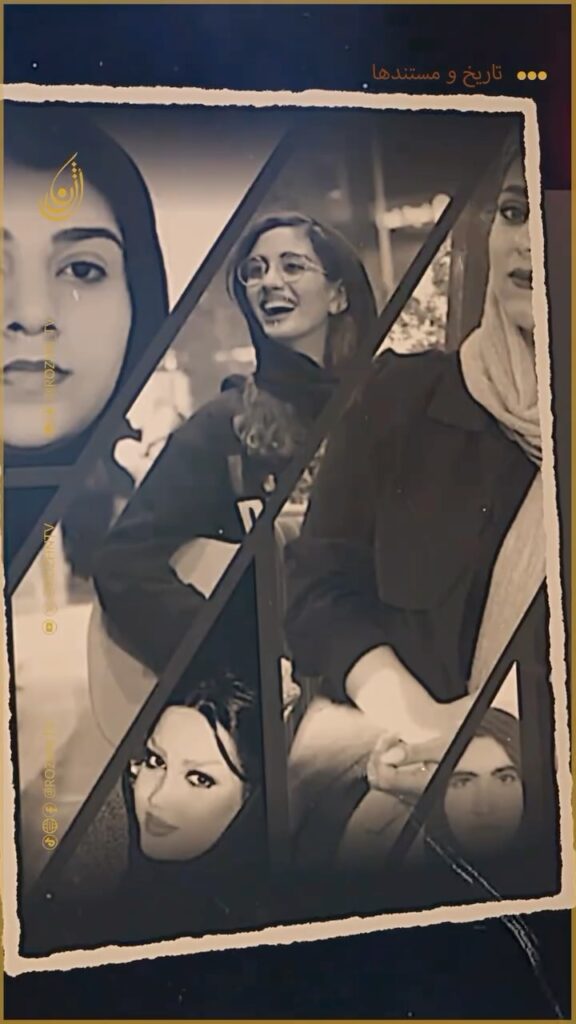
سه سال از روزی که خبر مرگ مهسا (ژینا) امینی در بازداشت گشت ارشاد منتشر شد، میگذرد؛ حادثهای که موجی از اعتراضات در سراسر ایران را به دنبال داشت و شعار «زن، زندگی، آزادی» را به نماد یک جنبش سراسری بدل کرد.
اعتراضات پاییز ۱۴۰۱ تنها واکنشی به مرگ یک شهروند نبود، بلکه به سرعت به خواستهای گستردهتر برای آزادیهای مدنی، حق انتخاب و پایان تبعیض تبدیل شد. اکنون در سومین سالگرد آن رویداد، پرسشهای کلیدی همچنان بیپاسخ مانده است: آیا حاکمیت پاسخی به مطالبات معترضان داده است و آیا صدای مردم در این سالها خاموش شده یا همچنان ادامه دارد؟
در این سه سال، گزارشهای متعددی از بازداشت، صدور احکام سنگین و اجرای مجازاتهای اعدام منتشر شده است. خانوادههای دادخواه و فعالان مدنی میگویند که اعتراضات سرکوب شد، اما خواست آزادی و عدالت از میان نرفته است. نهادهای بینالمللی نیز بارها درباره وضعیت حقوق بشر در ایران ابراز نگرانی کردهاند.
در مقابل، بخشی از جامعه باور دارد که همین فشارها باعث شد جنبش به پایان نرسد، بلکه شکاف میان مردم و حکومت عمیقتر شود. هنوز در دانشگاهها، محیطهای کار و در خیابانهای شهرهای مختلف، از تهران گرفته تا زاهدان، نشانههای همان شعارها و خواستهها دیده میشود.
خواستههای اصلی همچنان همان است: حق انتخاب پوشش، آزادی بیان، زندگی بر اساس اراده فردی و پایان دادن به تبعیض ساختاری. بسیاری از ناظران معتقدند این سه سال، حافظهای جمعی در جامعه ایجاد کرده که میتواند در آینده سیاسی ایران نقش تعیینکنندهای داشته باشد.
یکی از موضوعاتی که بارها از سوی خانوادههای قربانیان مطرح شده، ضرورت پاسخگویی مسئولان در آینده است. آنها تأکید دارند که عاملان خشونتها باید روزی در دادگاهی مستقل و صالح پاسخگو باشند. به همین دلیل، جنبش «زن، زندگی، آزادی» فقط برای امروز نیست؛ بلکه بخشی از آن به عدالت فردا پیوند خورده است.
سومین سالگرد این خیزش یادآور آن است که این اعتراضات یک لحظه گذرا نبود، بلکه نقطه عطفی در تاریخ معاصر ایران است. با وجود سرکوب، صداهایی که از پاییز ۱۴۰۱ برخاست هنوز شنیده میشود و به گفته بسیاری، همین استمرار نشان میدهد که این خواست عمومی همچنان زنده است.
ENThird Anniversary of the “Woman, Life, Freedom” Uprising; Three Years After the Death of Mahsa (Zhina) AminiRead in English
Rozhn TV | Saturday, September 13, 2025
Three years have passed since the news of the death of Mahsa (Zhina) Amini in the custody of the Guidance Patrol was published, an event that triggered a wave of protests across Iran and turned the slogan “Woman, Life, Freedom” into the symbol of a nationwide movement.
The protests of autumn 2022 were not merely a reaction to the death of one citizen, but quickly turned into a broader demand for civil liberties, the right to choose, and an end to discrimination. Now, on the third anniversary of that event, key questions remain unanswered: has the ruling system given any response to the protesters’ demands, and has the people’s voice been silenced in these years or does it continue?
Over these three years, numerous reports have been published of arrests, heavy sentences and executions. Families seeking justice and civil activists say the protests were suppressed, but the demand for freedom and justice has not disappeared. International bodies have also repeatedly expressed concern about the human rights situation in Iran.
By contrast, part of society believes that these very pressures did not end the movement but deepened the rift between the people and the government. In universities, workplaces and the streets of various cities, from Tehran to Zahedan, signs of the same slogans and demands can still be seen.
The main demands remain the same: the right to choose one’s dress, freedom of expression, living according to individual will, and an end to structural discrimination. Many observers believe these three years have created a collective memory in society that could play a decisive role in Iran’s political future.
One of the issues repeatedly raised by victims’ families is the need for officials to be held accountable in the future. They stress that those responsible for the violence must one day answer before an independent and competent court. For this reason, the “Woman, Life, Freedom” movement is not only for today; part of it is tied to tomorrow’s justice.
The third anniversary of this uprising is a reminder that these protests were not a passing moment but a turning point in Iran’s contemporary history. Despite the repression, the voices that rose in autumn 2022 can still be heard, and according to many, this very persistence shows that this public demand is still alive.