سرگردانی شهروند بلوچ در نیمروز پس از انتقال اجباری
گزارش تلویزیون رُژن | یکشنبه ۲۴ آبان ۱۴۰۴ / ۱۵ نوامبر ۲۰۲۵
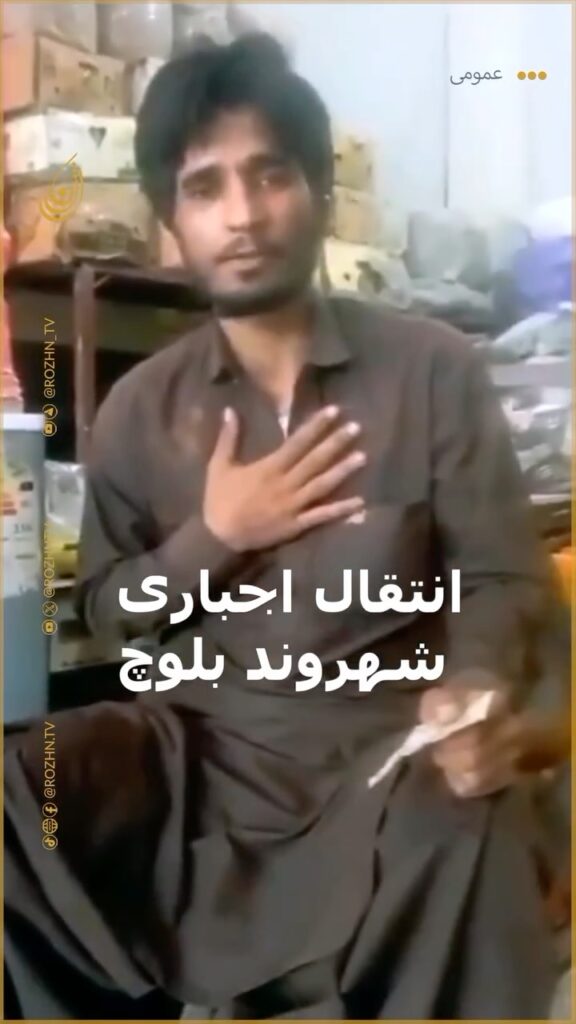
یک شهروند بلوچ دارای شناسنامه اهل خاش پس از بازداشت بهصورت اجباری به افغانستان منتقل شده و در نیمروز در شرایط بیسرپناهی قرار دارد
او میگوید هیچگونه ارتباط یا سابقهای از افغانستان ندارد و حتی نام محل را نمیدانست
طی ماههای اخیر دهها شهروند بلوچ که نسلها در سیستان و بلوچستان زندگی کردهاند بدون طی روند قانونی بازداشت و بهعنوان اتباع بیگانه به افغانستان منتقل شدهاند در حالی که افغانستان نیز آنها را تبعه خود نمیداند
برخی کارشناسان و تحلیلگران معتقدند روندهای اخیر میتواند نشانهای از سیاستهایی باشد که منجر به فشار ساختاری، بهحاشیهرانی و انتقال اجباری شهروندان بلوچ میشود و این موضوع نیازمند بررسی دقیق و مستقل است
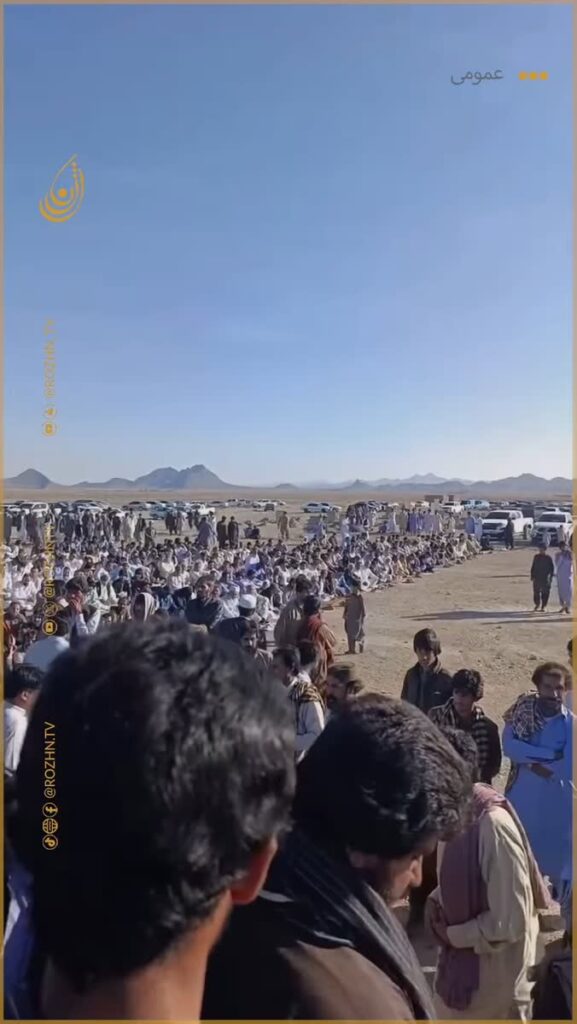
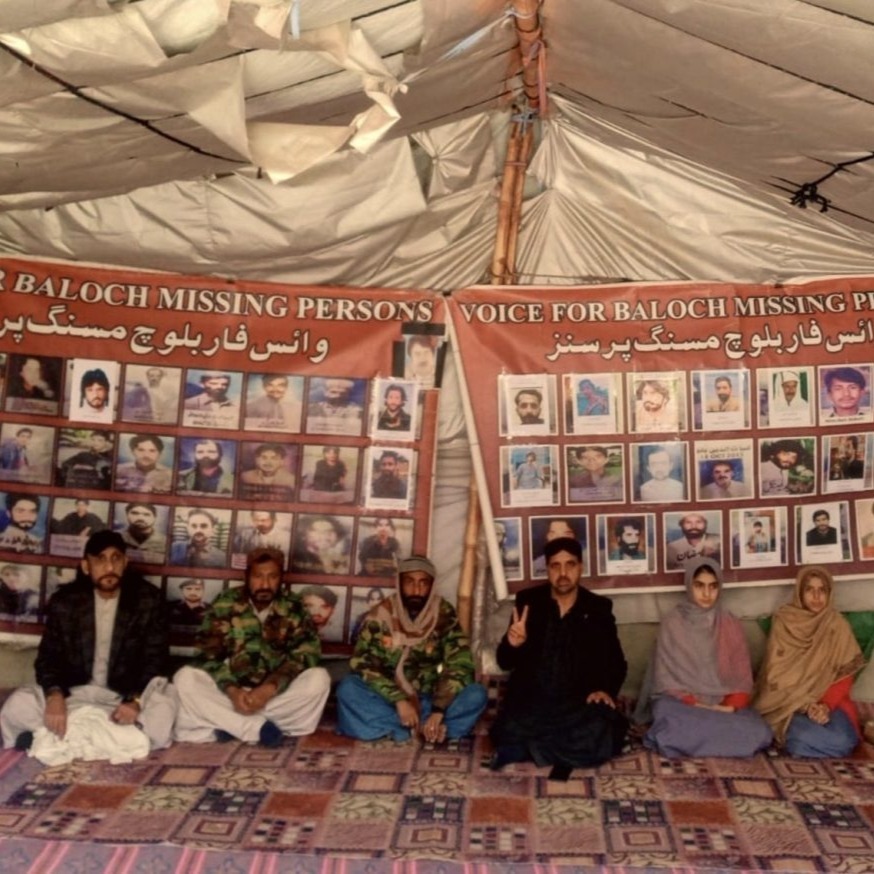
پیشتر ویدئوهایی از سرگردانی خانوادههای بلوچ در مرزها منتشر شده بود که زنان و کودکان در شرایط سخت رها شده بودند
پیگیریها درباره امکان بازگشت و وضعیت افراد منتقلشده ادامه دارد
ENBaloch Citizen Left Stranded in Nimroz After Forced TransferRead in English
Rozhn TV | Sunday, November 15, 2025
A Baloch citizen holding an identity card from Khash was forcibly transferred to Afghanistan after being detained and is now homeless in Nimroz.
He says he has no connection to or history in Afghanistan and did not even know the name of the place.
In recent months, dozens of Baloch citizens whose families have lived in Sistan and Baluchestan for generations have been detained without due legal process and sent to Afghanistan as foreign nationals, even though Afghanistan does not regard them as its own nationals either.
Some experts and analysts believe the recent trends may point to policies that lead to structural pressure, marginalization and the forced transfer of Baloch citizens, and that this issue requires careful and independent examination.
Videos had previously been published of Baloch families left stranded at the borders, in which women and children were abandoned in harsh conditions.
Inquiries continue into the possibility of return and the situation of those who were transferred.