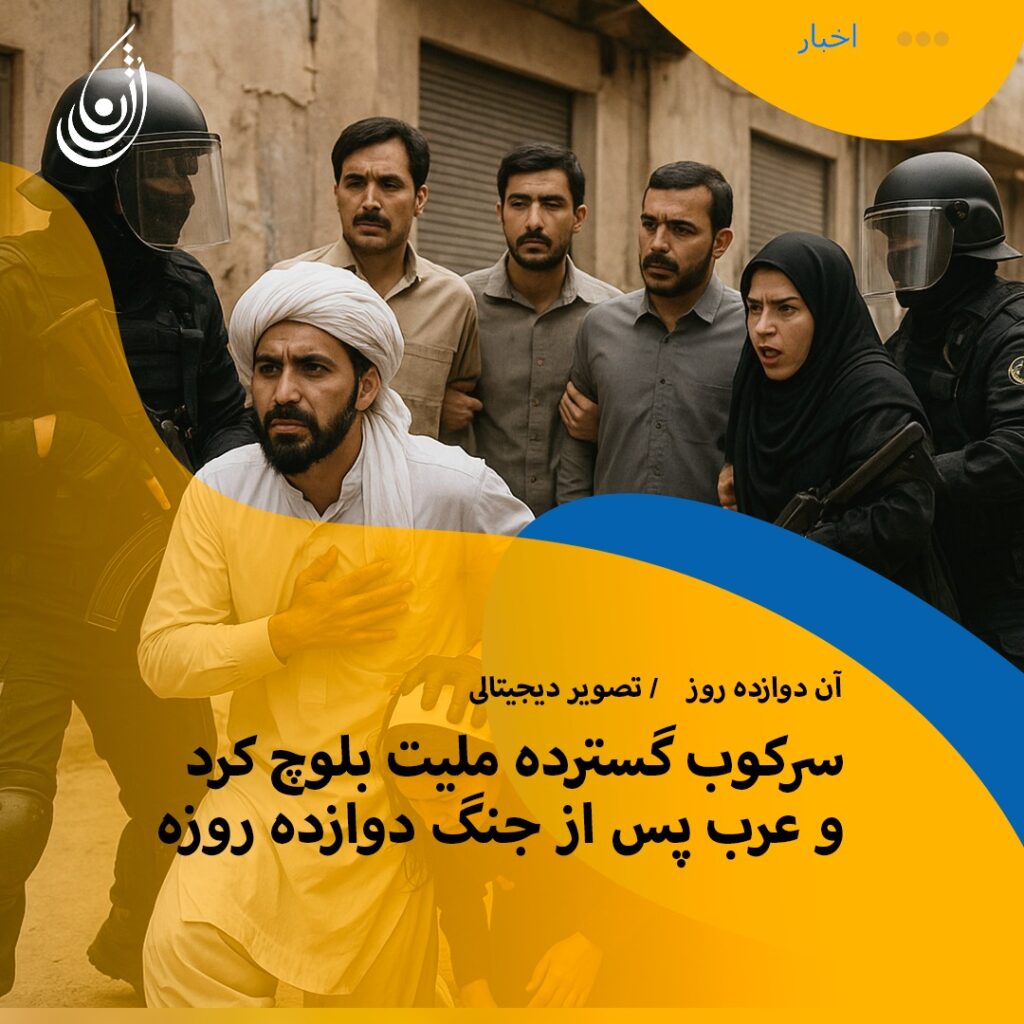
سرکوب گسترده ملیت بلوچ کرد و عرب پس از جنگ دوازده روزه
به گزارش تلویزیون رُژن | چهارشنبه ۱۲ شهریور ۱۴۰۴ خورشیدی / ۳ سپتامبر ۲۰۲۵ میلادی
سازمانهای عفو بینالملل و دیدهبان حقوق بشر روز سهشنبه ۱۱ شهریور ۱۴۰۴ با انتشار بیانیهای مشترک اعلام کردند که جمهوری اسلامی ایران به بهانه امنیت ملی پس از پایان جنگ دوازده روزه با اسرائیل موج گستردهای از سرکوب را در سراسر کشور آغاز کرده است
در این بیانیه آمده است که از ۱۳ ژوئن ۲۰۲۵ تاکنون بیش از ۲۰ هزار نفر از فعالان مدنی روزنامهنگاران کاربران شبکههای اجتماعی خانوادههای قربانیان اعتراضات و حتی شهروندان خارجی بازداشت شدهاند بخش بزرگی از این سرکوب متوجه اقوام بلوچ کرد و عرب بوده است
بر اساس گزارش این دو نهاد نیروهای امنیتی در بلوچستان با تیراندازی مستقیم به سوی شهروندان باعث کشته و زخمی شدن چند نفر شدهاند و همزمان موج تازهای از بازداشت فعالان بلوچ آغاز شده است در کردستان و خوزستان نیز فشارهای امنیتی افزایش یافته و فعالان مدنی و سیاسی بدون اتهام روشن بازداشت و زندانی شدهاند
بیانیه تاکید میکند که اقدامات خشونتآمیز جمهوری اسلامی علیه اقوام بلوچ کرد و عرب مصداق سرکوب سازمانیافته گروههای ملی و مذهبی است و در صورت ادامه این روند خطر بروز یک فاجعه جدی حقوق بشری وجود دارد این سازمانها خواستار توقف فوری اعدامها آزادی بازداشتشدگان پایان دادن به ناپدیدسازی و شکنجه و همچنین پاسخگویی مقامات جمهوری اسلامی در برابر نهادهای بینالمللی شدند
این رویکرد امنیتی نشان میدهد که به جای پاسخگویی به مطالبات مشروع اقوام تحت فشار سیاستهای جمهوری اسلامی بر پایه ایجاد ترس و ارعاب ادامه دارد مسیری که نه تنها مشکلات موجود را حل نمیکند بلکه شکاف میان حکومت و مردم را عمیقتر میسازد
ENWidespread Crackdown on Baloch, Kurdish and Arab Nationalities After the 12-Day WarRead in English
Rozhn TV | Wednesday, September 3, 2025
Amnesty International and Human Rights Watch announced in a joint statement on Tuesday, September 2, 2025, that the Islamic Republic of Iran, under the pretext of national security, has launched a sweeping wave of repression across the country following the end of the 12-day war with Israel.
The statement says that since June 13, 2025, more than 20,000 people have been detained, including civil activists, journalists, social media users, families of victims of the protests and even foreign nationals. A large part of this repression has targeted the Baloch, Kurdish and Arab peoples.
According to the report by the two organizations, security forces in Balochistan have opened direct fire on citizens, killing and wounding several people, and at the same time a new wave of arrests of Baloch activists has begun. In Kurdistan and Khuzestan too, security pressure has increased, and civil and political activists have been arrested and imprisoned without clear charges.
The statement stresses that the Islamic Republic’s violent actions against the Baloch, Kurdish and Arab peoples amount to organized repression of national and religious groups, and that if this trend continues there is a risk of a serious human rights catastrophe. The organizations called for an immediate halt to executions, the release of detainees, an end to enforced disappearances and torture, and accountability by the Islamic Republic’s authorities before international bodies.
This security approach shows that, instead of responding to the legitimate demands of the ethnic groups under pressure, the Islamic Republic’s policy of creating fear and intimidation continues, a path that not only fails to solve existing problems but deepens the rift between the government and the people.