سرکوب شدید بلوچ راجی موچی در گوادر
تلویزیون رُژن – دوشنبه ۶ مرداد ۱۴۰۴، برابر با ۲۸ ژوئیه ۲۰۲۵
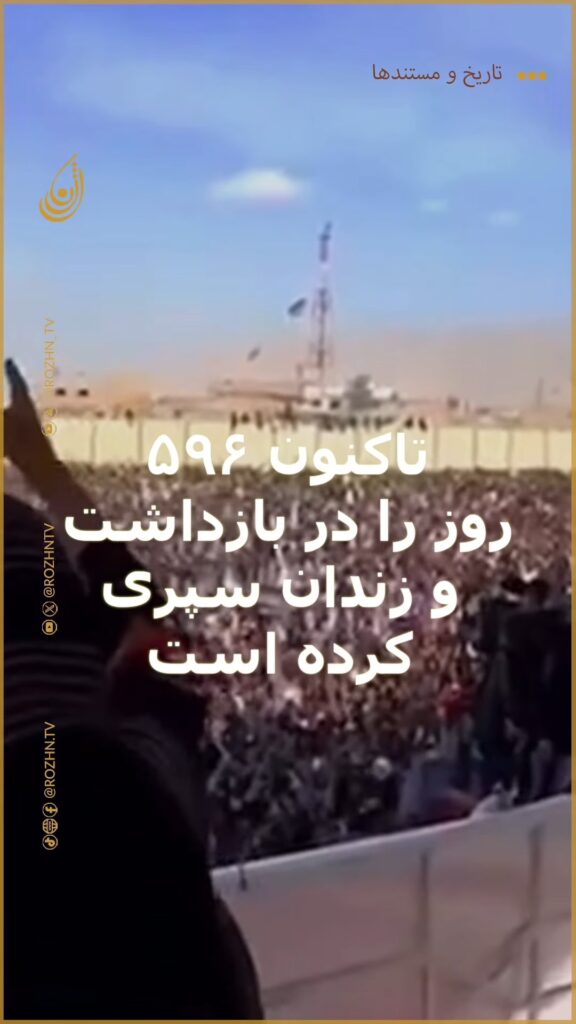
۲۸ ژوئیه ۲۰۲۴، روز برگزاری «بلوچ راجی موچی» در گوادر، بهگفتهی فعالان محلی، روزی بود که دولت پاکستان یکی از شدیدترین برخوردهای امنیتی خود را به نمایش گذاشت.
با نزدیک شدن مردم بلوچ از نقاط مختلف برای شرکت در بلوچ راجی موچی، دولت با اقداماتی چون قطع اینترنت، مسدودسازی جادهها و ایجاد ایستهای بازرسی گسترده، تلاش کرد مانع برگزاری این تجمع شود. طبق گزارش شاهدان، در جریان این سرکوبها، عدهای کشته یا زخمی شدند و جمع زیادی مورد ضربوشتم قرار گرفتند.
رهبری شورای جوانان بلوچ (BYC) اعلام کرد که با وجود این موانع، بلوچ راجی موچی حتی با حضور تنها مردم محلی گوادر برگزار خواهد شد. همان روز، نیروهای امنیتی و افراد لباسشخصی در نقاط مختلف شهر مستقر شدند و بهصورت مستقیم با استفاده از گاز اشکآور و گلوله، مانع از حرکت مردم بهسمت محل تجمع شدند.
با این حال، شمار زیادی موفق به رسیدن به محل بلوچ راجی موچی شدند. در این میان، به گفتهی منابع محلی، یک نفر جان باخت و بسیاری از افراد، از جمله زنان و کودکان، مجروح شدند. مردم حاضر تنها توانستند کمکهای اولیه ارائه دهند و مصدومان را به مراکز درمانی منتقل کنند.
در روز بعد، ۲۹ ژوئیه، نیروهای بیشتری از پلیس و سپاه مرزی وارد شهر شدند. درگیریها شدت گرفت، و مردم برای نجات خود به خانهها یا سمت دریا پناه بردند. شاهدان از حمله نیروها به خانههای شهروندان و ادامه بازداشتها خبر دادند.
BYC در روزهای بعد خواستار ثبت شکایت رسمی علیه این اقدامات شد و اعلام کرد آنچه رخ داده، نه اجرای قانون، بلکه استفاده از زور علیه شهروندان بوده است. همچنین گزارشهایی از حضور افراد مسلح با تجهیزات مشکوک در میان جمعیت مطرح شد که برخی از آنها شناسایی و دستگیر شدند.
BYC اعلام کرد که بلوچ راجی موچی نمادی از اعتراض مدنی و حقطلبانه مردم بلوچ بوده و قطع آب و غذا، انسداد مسیرها و محرومسازی از خدمات درمانی در گوادر، نمونههایی از فشار سازمانیافته بر جامعه بلوچ است.
آنها در بیانیهای از نهادهای حقوق بشری خواستند نسبت به آنچه در بلوچ راجی موچی رخ داده واکنش نشان دهند. به گفتهی آنها، قطع اینترنت و انسداد ارتباطات برای پنهانسازی وقایع و ممانعت از اطلاعرسانی آزاد بوده است.
ENSevere Crackdown on Baloch Raji Muchi in GwadarRead in English
Rozhn TV | Monday, July 28, 2025
July 28, 2024, the day the “Baloch Raji Muchi” was held in Gwadar, was, according to local activists, a day on which the Pakistani government displayed one of its harshest security crackdowns.
As Baloch people approached from various places to take part in the Baloch Raji Muchi, the government tried to prevent the gathering from taking place through measures such as cutting the internet, blocking roads and setting up widespread checkpoints. According to witnesses, in the course of these crackdowns some people were killed or wounded and many were beaten.
The leadership of the Baloch Yakjehti Committee (BYC) announced that despite these obstacles, the Baloch Raji Muchi would be held even if only the local people of Gwadar attended. On the same day, security forces and plainclothes personnel were deployed at various points in the city and, using tear gas and gunfire directly, prevented people from moving toward the gathering site.
Nevertheless, a large number of people managed to reach the site of the Baloch Raji Muchi. Meanwhile, according to local sources, one person died and many people, including women and children, were wounded. Those present were only able to provide first aid and take the injured to medical centers.
On the following day, July 29, more police and Frontier Corps forces entered the city. Clashes intensified, and people took refuge in their homes or toward the sea to save themselves. Witnesses reported forces attacking citizens’ homes and arrests continuing.
In the following days, the BYC called for filing a formal complaint against these actions and said that what had happened was not law enforcement but the use of force against citizens. Reports were also raised of armed individuals with suspicious equipment among the crowd, some of whom were identified and arrested.
The BYC said the Baloch Raji Muchi was a symbol of the civil and rights-based protest of the Baloch people, and that the cutting of water and food, the blocking of routes and the denial of medical services in Gwadar were examples of organized pressure on the Baloch community.
In a statement, they called on human rights bodies to respond to what happened at the Baloch Raji Muchi. According to them, the internet shutdown and communications blackout were aimed at concealing events and preventing the free flow of information.